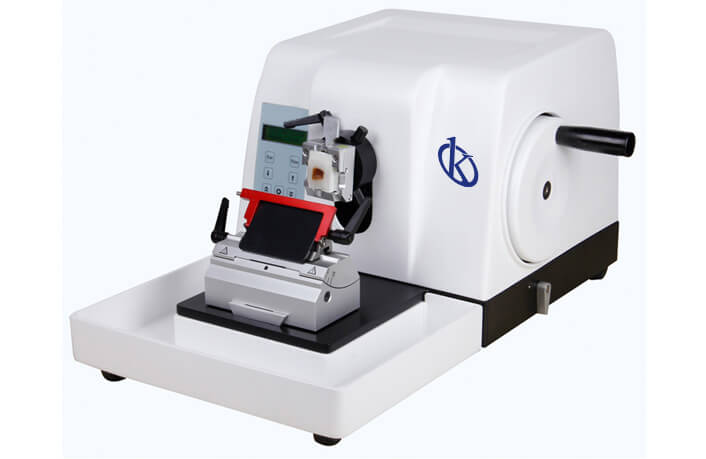
Microtome Series: LIMS Integration and Data Flow Digitalization 2026
The evolution of laboratory technology is increasingly leaning towards automation and data digitalization, particularly in pathology labs where precision and reliability are essential. The Microtome Series exemplifies this shift, offering multiple models designed to enhance integration with Laboratory Information Management Systems (LIMS) and streamline data flow. This article will delve into how the various models of microtomes contribute to laboratory efficiency and digital transformation in 2026.
Understanding the Role of Microtomes in LIMS Integration and Data Flow
Microtomes are critical in pathological anatomy for preparing thin tissue sections for microscopic examination. The integration of these devices with LIMS facilitates seamless data management and enhances laboratory workflows. By digitizing the entire process from sample preparation to data reporting, laboratories can ensure better traceability and accuracy in their results. This section will explore how different models support this integration.
Key Features That Facilitate LIMS Integration
Each model in the Microtome Series offers unique features that promote LIMS integration. For instance, models like the Semi-automatic rotary microtome YR416 and the Manual Microtome YR417 are equipped with interfaces that allow for easy data transfer. This capability is essential for maintaining data integrity and streamlining operations. Moreover, the built-in software is designed to comply with various connectivity standards, enabling smooth communication between the microtome and LIMS.
Assessing Digitalization Benefits in Pathology Labs
The digitalization of laboratory processes presents numerous benefits, including improved efficiency, reduced error rates, and enhanced data accessibility. By integrating microtomes with LIMS, labs can achieve a more organized data flow, allowing for quick retrieval and analysis. The ability to track sample history and manage workflows in real-time enhances operational insights and decision-making capabilities.
Comparison of Available Models
| Model | Price (USD) | Best for | Integration Ease |
|---|---|---|---|
| YR417-1 | $5200.00 | High-throughput labs | Moderate |
| YR416 | $3600.00 | General-purpose use | High |
| YR417 | $4000.00 | Research applications | High |
| YR420 | $2400.00 | Histological use | Moderate |
| YR421 | $2400.00 | Pathology settings | Moderate |
| YR422 | $1200.00 | Compact setups | Easy |
Common Mistakes and How to Avoid Them
When integrating microtomes with LIMS, labs often overlook the importance of proper data mapping and user training. A common mistake is failing to configure the microtome's software to align with LIMS functionalities, leading to data discrepancies. Additionally, neglecting to train staff on the new systems can result in operational inefficiencies. It is crucial to follow best practices during the integration process, including detailed documentation and user-friendly training sessions.
Frequently Asked Questions
How can LIMS integration enhance the performance of the YR416 microtome?
The YR416 microtome's high reliability and precision make it ideal for LIMS integration. By connecting it to a LIMS, labs can streamline data entry and improve traceability, ensuring accurate sample tracking and reporting.
What are the best practices for integrating the YR420 microtome with LIMS in 2026?
Best practices for integrating the YR420 microtome with LIMS include defining clear data flow protocols, training users on the integration process, and ensuring compatibility with existing LIMS systems to minimize disruption.
What is the expected ROI from using the Semi-automatic rotary microtome YR416 in a modern lab?
Using the Semi-automatic rotary microtome YR416 can lead to significant ROI through increased throughput and reduced labor costs. Labs can expect to recoup initial investments within 18-24 months, depending on usage rates and operational efficiencies.
How does digitalization improve accuracy in microtome operations?
Digitalization improves accuracy in microtome operations by reducing human error in data entry and sample handling. Real-time data synchronization with LIMS ensures that all information is up-to-date, enhancing decision-making in pathology labs.
Which features of the YR421 microtome support LIMS connectivity?
The YR421 microtome supports LIMS connectivity through its advanced software that complies with various data transfer protocols, ensuring efficient communication between the device and the LIMS for accurate reporting.
How do modern microtomes like YR422 contribute to data flow digitalization?
Modern microtomes like the YR422 contribute to data flow digitalization by integrating with LIMS, which allows for automated data capture and real-time updates, leading to improved workflows and enhanced data management.
What are the benefits of using the Manual Microtome YR417 in a digital lab environment?
The Manual Microtome YR417 offers flexibility in sample preparation and can easily integrate with digital systems for data management, making it an excellent choice for labs looking to enhance their digital workflows.
How can labs minimize errors during microtome data integration processes?
Labs can minimize errors during microtome data integration by implementing thorough training for staff, conducting regular audits of data entries, and using robust software that ensures compatibility with LIMS.
If you are looking for a fusion of innovation and quality, you have come to the right place. At Kalstein, we offer you the luxury of exploring our exclusive catalog of laboratory equipment. We manufacture every device to the highest standards of excellence. Our intuitive and seamless online purchasing channels are designed for your convenience, securing the most competitive prices. Hesitate no longer — we bring science to life, it is time to become part of our community.