Microtome Series: Best Techniques and Protocols in 2026
What is it used for in 2026
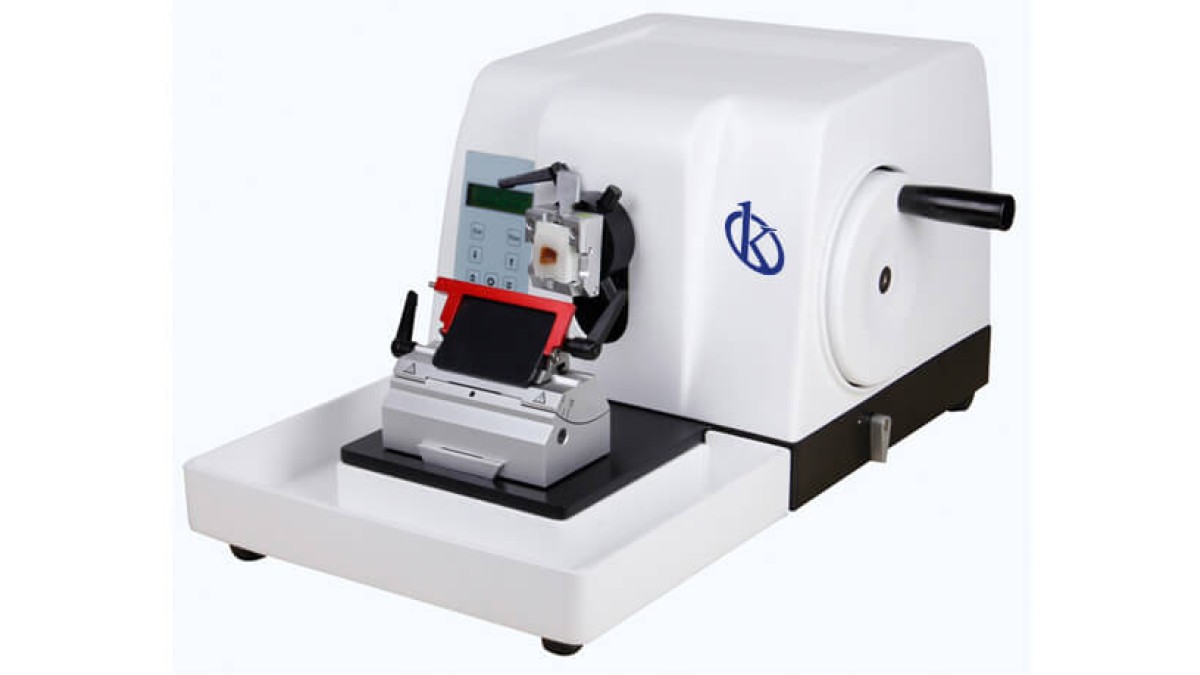
The microtome is a critical device in pathological anatomy, primarily used for cutting thin slices of material, typically paraffin-embedded tissues, for microscopic examination. In 2026, the applications of microtomes span across various fields including histology, histopathology, and quality assurance in industrial laboratories. These machines enable laboratory professionals to achieve high precision in tissue sectioning, which is crucial for accurate diagnosis and research.
History and evolution of the technology
The microtome has evolved significantly since its inception in the mid-19th century. Originally a simple hand-operated tool, microtomes have transformed into sophisticated semi-automatic and automatic devices. Innovations such as adjustable thickness settings, ergonomic designs, and digital controls have improved accuracy and user experience. In 2026, the focus continues to be on enhancing reliability and precision, with emerging technologies integrating automated systems for better efficiency.
How to use it step by step
Using a microtome effectively involves a series of systematic steps:
- Preparation: Ensure that the specimen is properly embedded in paraffin and cooled to the desired temperature.
- Setting Thickness: Adjust the cutting thickness according to the requirements of the tissue type being analyzed.
- Loading Specimen: Secure the specimen on the microtome's stage, ensuring it is aligned correctly for optimal sectioning.
- Cutting: Activate the cutting mechanism, either manually or automatically, depending on the model.
- Collection: Carefully collect the sections using a brush or forceps and place them onto glass slides for staining.
- Cleansing: Clean the blade and microtome surfaces to maintain hygiene and prevent contamination.
Best techniques and protocols
In 2026, the best techniques for microtomy include:
- Consistency: Maintain consistency in temperature and humidity to ensure optimal sectioning.
- Blade Maintenance: Regularly check and replace blades to avoid dullness that can affect section quality.
- Proper Embedding: Ensure specimens are well-embedded to avoid tearing and distortion during cutting.
- Sectioning Techniques: Employ both fine and coarse sectioning techniques based on the sample type.
- Documentation: Keep detailed records of settings and results for reproducibility in research.
Practical applications by laboratory type
Microtomes find their place in various laboratory setups:
- Histology Laboratories: Used for preparing tissues for microscopic examination.
- Clinical Pathology: Essential for diagnosing diseases through tissue analysis.
- Research Laboratories: Employed in research to study cellular structures and functions.
- Quality Control in Industries: Applied in manufacturing for material testing and quality assurance.
Regulations, standards and certifications
Microtome manufacturers must adhere to strict regulations and standards such as ISO 9001 to ensure quality and reliability. Certification from relevant medical and laboratory authorities is essential for compliance, ensuring that the devices are safe and effective for user and patient safety.
Comparison with alternative technologies
While microtomes are the gold standard for tissue sectioning, alternative technologies such as cryostats and laser microdissection offer unique advantages. Cryostats, for example, provide rapid freezing and sectioning of fresh tissues, allowing for immediate analysis. However, microtomes remain superior in producing high-quality, thin sections from embedded samples, making them indispensable in many laboratories.
Comparison of available models
| Model | Best for | Key specs | Recommended use case |
|---|---|---|---|
| YR417-1 | Routine paraffin sectioning | Price: $5200.00, Dimensions: x x | General histology labs requiring high throughput |
| YR416 | Universal paraffin and general use | Price: $3600.00, Dimensions: x x | Multi-purpose use in histology and pathology labs |
| YR417 | Flexible application in histology | Price: $4000.00, Dimensions: x x | Quality assurance in industrial and research labs |
| YR420 | High-precision sectioning | Price: $2400.00, Dimensions: 420x330x330 mm | Histological analysis and research tasks |
| YR421 | Advanced histological applications | Price: $2400.00, Dimensions: 420x330x330 mm | Laboratories needing consistent high quality |
| YR422 | Safe and reliable sectioning | Price: $1200.00, Dimensions: 340x335x270 mm | Basic histology tasks with ease of use |
Common mistakes and how to avoid them
Common mistakes when using microtomes include:
- Dull Blades: Always check blade sharpness and replace dull blades promptly.
- Inconsistent Cutting: Ensure consistent thickness settings and properly secure specimens.
- Neglecting Maintenance: Regular cleaning and maintenance of the microtome are essential to prevent issues.
- Incorrect Temperatures: Maintain proper embedding conditions for best results.
Maintenance, calibration and good practices 2026
To ensure the longevity and performance of microtomes, it is vital to:
- Conduct regular cleaning after each use.
- Calibrate the machine periodically as per manufacturer guidelines.
- Store blades safely and check for wear regularly.
- Train users on best practices for operating the microtome.
Cost-benefit analysis 2026
Investing in a microtome can yield significant returns through enhanced accuracy, efficiency, and the quality of results. While initial costs may seem high, the long-term benefits in terms of reliable results and time savings justify the expense, particularly in high-activity laboratories.
Frequently asked questions
What should I consider when choosing a microtome?
Consider factors such as the type of specimens you will be working with, the required thickness of sections, and the volume of work when selecting a microtome. Evaluate options based on operational ease, maintenance needs, and user reviews.
How can I improve the quality of my tissue sections?
To improve tissue section quality, ensure proper embedding and cooling of samples, maintain blade sharpness, and calibrate the microtome regularly. Following best practices in sectioning techniques is also crucial.
What are the best practices for microtome maintenance?
Best practices for maintenance include regular cleaning, checking blade sharpness, and performing calibrations as recommended by the manufacturer. Training staff on proper use and care can also enhance longevity.
How often should I replace the blades?
Replace blades whenever they show signs of dullness or wear. Regular inspections can help determine the optimal replacement schedule based on usage frequency and type of specimens being sectioned.
Can I use a microtome for different types of samples?
Yes, microtomes can be used for various types of samples, including paraffin-embedded tissues and some frozen samples, depending on the model's specifications and capabilities.
Is it necessary to have a semi-automatic microtome?
A semi-automatic microtome can enhance precision and efficiency, especially in high-throughput laboratories. However, the choice depends on the specific needs of the laboratory regarding workflow and budget.
Where can I request a quote for a microtome?
You can easily request a quote for our range of microtomes by contacting us directly or visiting our website for more details.
If you are looking for a fusion of innovation and quality, you have come to the right place. At Kalstein, we offer you the luxury of exploring our exclusive catalog of laboratory equipment. We manufacture every device to the highest standards of excellence. Our intuitive and seamless online purchasing channels are designed for your convenience, securing the most competitive prices. Hesitate no longer — we bring science to life, it is time to become part of our community.