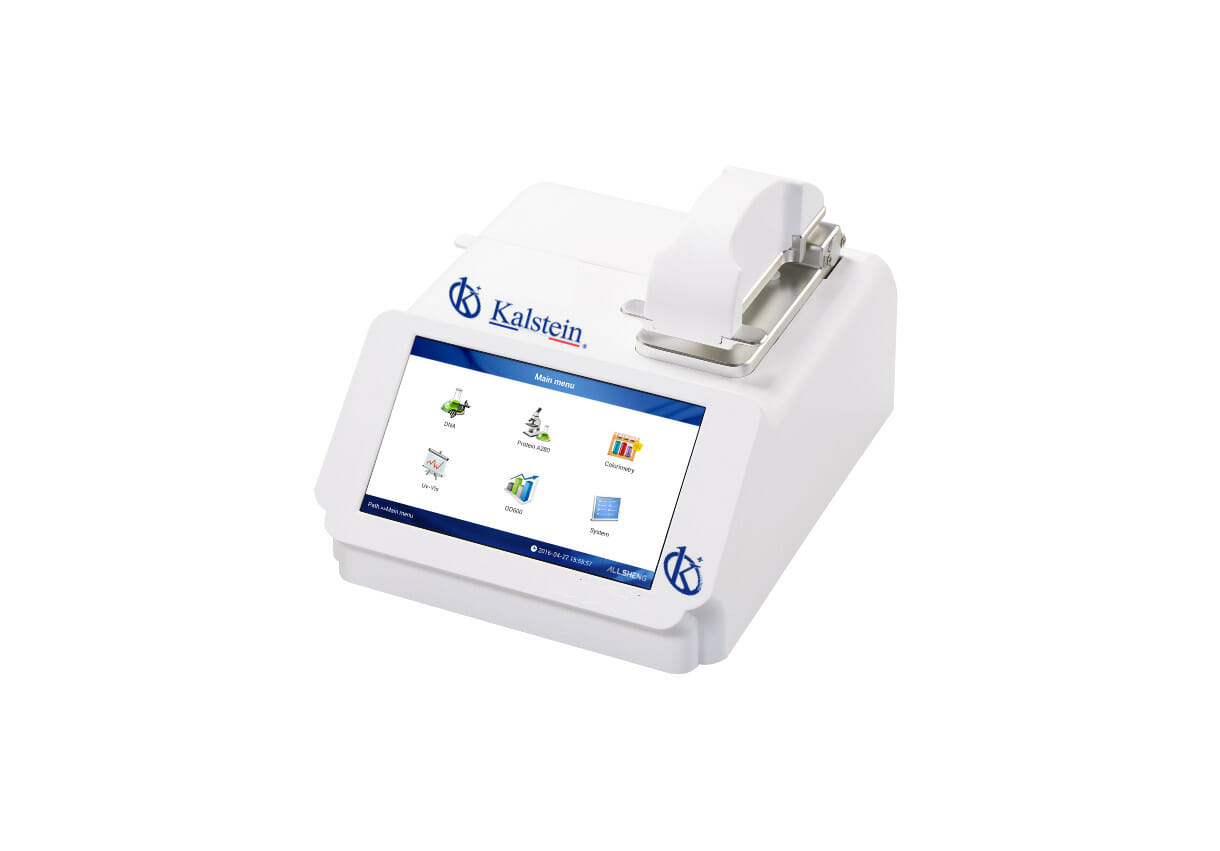
Micro-Spectrophotometers: Common Mistakes and How to Avoid Them in Daily Operations 2026
What is it used for in 2026
Micro-spectrophotometers are essential tools in modern laboratories, primarily used for the quantitative analysis of nucleic acids and proteins. These devices enable researchers to measure absorbance at specific wavelengths, providing insight into the concentration and purity of samples. In 2026, their applications extend beyond basic analysis to more complex tasks such as monitoring cell growth and analyzing kinetics in biochemical reactions.
History and evolution of the technology
Micro-spectrophotometry has evolved significantly over the decades. Initially, spectrophotometers required larger sample volumes and were limited in wavelength range. Technological advancements led to the development of micro-spectrophotometers, allowing for measurements with just microliters of samples. The integration of touchscreen interfaces, improved light sources, and sensitive detectors like CCD arrays has transformed these devices, making them user-friendly and highly efficient.
How to use it step by step
- Preparation of Samples: Ensure samples are purified and without contaminants that may interfere with readings.
- Calibration: Calibrate the micro-spectrophotometer using appropriate blank samples to set baseline readings.
- Sample Loading: Load the sample into the designated holder, ensuring the minimum volume requirement is met.
- Measurement: Select the desired wavelengths and initiate the measurement process.
- Data Analysis: Review the output data for absorbance values, and calculate concentrations using standard curves if necessary.
- Cleaning: Clean the sample holder between measurements to prevent cross-contamination.
Best techniques and protocols
Utilizing micro-spectrophotometers effectively revolves around implementing best practices. It is crucial to establish rigorous protocols for sample handling, calibration, and data analysis. Techniques such as using appropriate dilutions, maintaining consistent sample temperatures, and performing duplicate measurements can enhance accuracy. Furthermore, following manufacturer instructions for software and hardware setup will ensure optimal performance.
Practical applications by laboratory type
Micro-spectrophotometers find their place in various laboratory settings:
- Biotechnology Labs: For quantifying nucleic acids and proteins during experiments.
- Clinical Labs: Used in diagnostics to analyze patient samples efficiently.
- Environmental Labs: For assessing biological samples from ecosystems.
- Academic Research: In educational institutions for teaching spectrophotometric methods.
Regulations, standards and certifications
Micro-spectrophotometers must comply with various industry standards and regulations, such as ISO 9001 for quality management and ISO/IEC 17025 for testing and calibration laboratories. Adhering to these standards ensures that equipment delivers reliable and reproducible results, which is crucial for maintaining laboratory accreditation and credibility.
Comparison with alternative technologies
While micro-spectrophotometers are widely used, alternative technologies such as fluorometry and traditional spectrophotometry also exist. Fluorometers are highly sensitive and can provide more detailed analysis of specific substances. However, they often require more complex sample preparation. Traditional spectrophotometers, while reliable for bulk measurements, require larger sample volumes and are less suited for precious or limited samples.
Comparison of available models
| Model | Best for | Key specs | Recommended use case |
|---|---|---|---|
| YR06033-1 | Full-spectrum analysis of nucleic acids and proteins | Wavelength: 200-800 nm, Sample Size: 0.5-2 μl, Measurement Time: <5 S | Research applications needing quick analysis with high accuracy |
| YR06034 | Basic nucleic acid detection | Wavelength: 260 nm, Sample Size: 1-2 μl, Measurement Time: <6 S | Routine nucleic acid concentration measurements |
| YR06035 | Advanced UV VIS analysis | Wavelength: 200-800 nm, Sample Size: 0.5-2 μl, Measurement Time: <6 S | Complex research with bacterial growth monitoring capabilities |
| YR06033 | Versatile nucleic acid and protein analysis | Wavelength: 190-1100 nm, Sample Size: 1 μl, Measurement Time: 5 S | General laboratory use requiring a broad wavelength range |
Common mistakes and how to avoid them
Common mistakes in using micro-spectrophotometers include:
- Improper Sample Preparation: Ensure samples are free from contaminants.
- Neglecting Calibration: Always calibrate before use to ensure accurate readings.
- Inconsistent Measurements: Use standard conditions for all measurements to maintain consistency.
- Ignoring Manufacturer Guidelines: Following guidelines maximizes device performance and longevity.
Maintenance, calibration and good practices 2026
To ensure optimal performance of micro-spectrophotometers:
- Regular Calibration: Calibrate regularly using standardized solutions.
- Routine Cleaning: Clean the optical surfaces after each use to prevent residue build-up.
- Environment Control: Keep devices in a stable environment free from vibrations and temperature fluctuations.
Cost-benefit analysis 2026
Investing in micro-spectrophotometers offers significant benefits, including high precision, reduced sample volume requirements, and versatility across various applications. However, the initial costs can vary based on model and features. A detailed cost-benefit analysis considering long-term use, maintenance costs, and potential savings from reduced sample waste should be conducted before selection.
Frequently asked questions
What are the key factors to consider when choosing a micro-spectrophotometer?
Factors include the wavelength range, sample size requirements, ease of use, sensitivity, and the specific applications you intend to use it for.
How often should I calibrate my micro-spectrophotometer?
Calibration should be performed regularly, ideally before each use or after significant temperature changes to ensure accuracy.
Can I use the same micro-spectrophotometer for different sample types?
Yes, micro-spectrophotometers are versatile and can analyze various samples, including nucleic acids and proteins, as long as proper protocols are followed.
What maintenance practices should I follow for optimal performance?
Regular cleaning, calibration, and environment control are essential for maintaining the device's performance over time.
Are there any specific protocols for measuring DNA concentration?
Yes, using appropriate dilutions, calibrating with standard solutions, and following manufacturer guidelines will yield accurate DNA concentration measurements.
How can I minimize errors during measurements?
Ensuring consistent sample handling, calibrating correctly, and cleaning between samples can significantly minimize measurement errors.
Where can I request a quote for micro-spectrophotometers?
You can request a quote for micro-spectrophotometers through our dedicated service channels, ensuring you get the best pricing.
If you are looking for a fusion of innovation and quality, you have come to the right place. At Kalstein, we offer you the luxury of exploring our exclusive catalog of laboratory equipment. We manufacture every device to the highest standards of excellence. Our intuitive and seamless online purchasing channels are designed for your convenience, securing the most competitive prices. Hesitate no longer — we bring science to life, it is time to become part of our community.