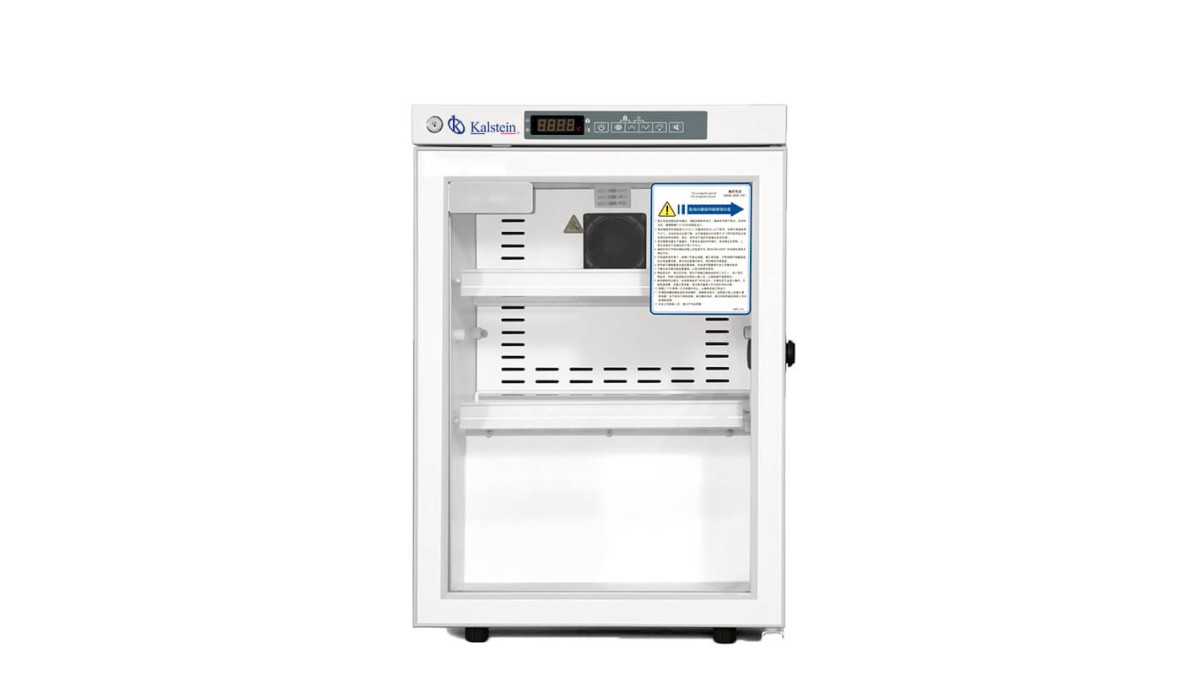
Medical Refrigerators: Real Applications in Clinical and Hospital Laboratories 2026
What is it used for in 2026
Medical refrigerators are essential in clinical and hospital laboratories, serving to store temperature-sensitive items such as vaccines, pharmaceuticals, and biological specimens. In 2026, the demand for reliable and efficient medical refrigerators has risen, driven by the ongoing need for safe storage of sensitive products. These units maintain a specific temperature range, generally between 2°C and 8°C, ensuring that the integrity of the stored items is preserved.
History and evolution of the technology
The evolution of medical refrigeration technology dates back to the early 20th century. Initially, refrigerators were basic and lacked sophisticated temperature controls, leading to inconsistent storage conditions. With advancements in technology, modern medical refrigerators are now equipped with digital temperature monitoring systems, alarms for temperature deviations, and forced air cooling mechanisms. These innovations have significantly improved the reliability and performance of medical refrigerators in laboratory settings.
How to use it step by step
Proper usage of medical refrigerators involves several key steps:
- Setup: Place the refrigerator in a suitable environment, away from direct sunlight and heat sources.
- Temperature Calibration: Ensure that the unit is calibrated to the desired temperature range (2°C to 8°C).
- Stocking: Organize items in the refrigerator using shelves wisely, avoiding overcrowding for optimal air circulation.
- Monitoring: Regularly check the digital display for temperature readings and ensure that alarms are functioning.
- Record Keeping: Maintain a log of temperature readings and any incidents of temperature deviation.
- Regular Maintenance: Schedule routine maintenance checks to ensure the unit is operating efficiently.
Best techniques and protocols
To ensure the best outcomes from medical refrigerators, adhere to these techniques and protocols:
- Utilize a temperature monitoring system that records data continuously.
- Implement a cleaning schedule to prevent contamination of stored items.
- Train staff on the proper handling and storage of temperature-sensitive materials.
- Establish emergency protocols for power failures, including backup power options.
- Regularly review and update standard operating procedures (SOPs) related to refrigerator use.
Practical applications by laboratory type
Different laboratory types utilize medical refrigerators for various applications:
- Clinical Laboratories: Store blood samples, serums, and vaccines.
- Pharmaceutical Laboratories: Maintain the integrity of chemicals and medications that require cold storage.
- Research Facilities: Preserve biological samples for research purposes.
Regulations, standards and certifications
In the medical field, adherence to regulations and standards is crucial. Medical refrigerators must comply with guidelines set forth by organizations such as the FDA, CDC, and WHO, which dictate temperature ranges, alarm systems, and maintenance practices. Certifications such as ISO 13485 also ensure that the devices meet quality management standards for medical devices.
Comparison with alternative technologies
While medical refrigerators are the standard for storing temperature-sensitive items, alternative technologies include:
- Freezers: Used for long-term storage of biological specimens at lower temperatures.
- Temperature-controlled transport boxes: Useful for moving sensitive items between locations.
Comparison of available models
| Model | Best for | Key specs | Recommended use case |
|---|---|---|---|
| YR05083 | Small laboratory items | Temperature range: 2-8°C, Energy consumption: 0.84 kWh/24h | Ideal for clinics with limited space |
| YR05085 | Mid-sized pharmaceuticals | Temperature range: 2-8°C, Energy consumption: 3.97 kWh/24h | Best for pharmacies |
| YR05086 | Large item storage | Temperature range: 2-8°C, Energy consumption: 5.75 kWh/24h | Great for hospitals with high storage needs |
| YR05087 | Heavy-duty laboratory use | Temperature range: 2-8°C, Energy consumption: 6.23 kWh/24h | Excellent for research labs |
| YR05286-1 | Pharmacy-grade storage | Temperature range: 2-8°C, Energy consumption: N/A | Perfect for drug storage in pharmacies |
| YR05288 | Medical-grade pharmaceuticals | Temperature range: 2-8°C, Energy consumption: 2.2 kWh/24h | Ideal for secure storage of vaccines |
Common mistakes and how to avoid them
Some common mistakes include:
- Overloading the refrigerator, which can impede airflow. Ensure items are stored according to guidelines.
- Neglecting to monitor temperatures regularly. Set up automated monitoring systems for alerts.
- Failing to perform routine maintenance. Adhere to the maintenance schedule to avoid breakdowns.
Maintenance, calibration and good practices 2026
In 2026, maintenance practices include:
- Regular cleaning of the interior and exterior surfaces.
- Calibration of temperature sensors to ensure accuracy.
- Checking and replacing worn-out seals to prevent temperature loss.
Cost-benefit analysis 2026
Investing in a medical refrigerator is essential for maintaining the quality of stored items. A cost-benefit analysis should consider the initial purchase price versus the potential losses from spoiled materials. In 2026, with advancements in energy efficiency, the ongoing operating costs can also provide savings over time, justifying the initial investment.
Frequently asked questions
What should I consider when choosing a medical refrigerator?
When selecting a medical refrigerator, consider the temperature range, storage capacity, energy efficiency, and alarm systems. Ensure it meets compliance with relevant standards and has a reliable temperature monitoring system.
How do I ensure the integrity of the stored items?
Regularly monitor the temperature, avoid overloading the refrigerator, and maintain a cleaning schedule to prevent contamination.
What maintenance is required for medical refrigerators?
Perform routine cleaning, check seals and gaskets, calibrate the temperature sensors, and ensure that the unit is in good working condition.
Can I store different types of items in the same refrigerator?
While it is possible, it is recommended to segregate items based on their storage requirements to avoid any risk of contamination or temperature fluctuations.
What should I do in case of a power failure?
Have an emergency protocol in place, which may include backup power solutions such as generators or UPS systems to maintain temperature stability until power is restored.
How often should I check the temperature?
It is advisable to check and record temperatures at least once a day, but more frequent checks are encouraged, especially during high usage times.
How can I maximize the lifespan of my medical refrigerator?
Adhere to a regular maintenance schedule, avoid overstocking, and ensure proper placement away from heat sources to prolong the refrigerator's lifespan.
If you are looking for a fusion of innovation and quality, you have come to the right place. At Kalstein, we offer you the luxury of exploring our exclusive catalog of laboratory equipment. We manufacture every device to the highest standards of excellence. Our intuitive and seamless online purchasing channels are designed for your convenience, securing the most competitive prices. Hesitate no longer — we bring science to life, it is time to become part of our community.