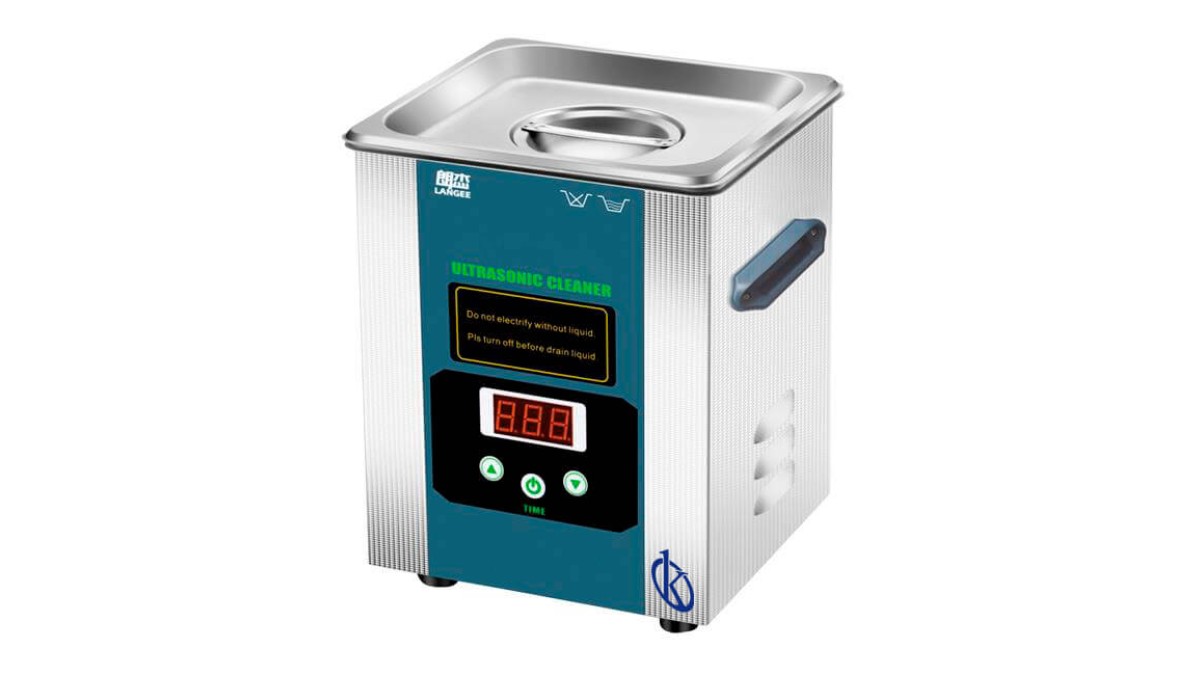
Mechanical Desktop Ultrasonic Cleanser: Applications in Research, Biotechnology, and Academia 2026
What is it used for in 2026
In the year 2026, Mechanical Desktop Ultrasonic Cleansers are widely utilized in various laboratory settings for their efficiency in cleaning delicate items without causing damage. These devices use ultrasonic waves to create cavitation bubbles that effectively remove contaminants from surfaces such as jewelry, laboratory tools, and electronic components.
History and evolution of the technology
The technology of ultrasonic cleaning dates back to the 1950s, primarily used in industrial applications. Over the years, advancements in microprocessor control and ultrasonic frequency modulation have led to the development of Mechanical Desktop Ultrasonic Cleansers. These modern devices offer enhanced cleaning capabilities, versatility, and user-friendly features, making them essential tools in research and biotechnology laboratories.
How to use it step by step
Using a Mechanical Desktop Ultrasonic Cleanser involves several straightforward steps:
- Preparation: Gather items that need cleaning and ensure they are suitable for ultrasonic cleaning.
- Fill the tank: Pour the recommended cleaning solution into the tank, ensuring it is filled to the required level.
- Set parameters: Adjust the timer and frequency settings based on the nature of the items being cleaned.
- Place items: Carefully place the items in the basket, ensuring they do not touch each other.
- Start cleaning: Turn on the device and allow it to operate for the set duration.
- Rinse and dry: After cleaning, remove the items, rinse them with distilled water, and dry them appropriately.
Best techniques and protocols
To achieve optimal results, it is crucial to follow recommended techniques:
- Always use a suitable cleaning solution for the materials being cleaned.
- Adjust the frequency settings based on the type of contaminants and the surface of the items.
- Use baskets to prevent items from touching the tank bottom or each other, which can cause damage.
- Monitor the cleaning process to avoid prolonged exposure that could lead to surface etching.
Practical applications by laboratory type
Mechanical Desktop Ultrasonic Cleansers find applications across various laboratory types:
- Research Laboratories: For cleaning delicate instruments and samples.
- Biotechnology Labs: To ensure cleanliness of pipettes, petri dishes, and other labware.
- Academic Institutions: Useful for teaching purposes and cleaning educational tools.
Regulations, standards and certifications
The use of Mechanical Desktop Ultrasonic Cleansers is subject to various regulations and standards to ensure safety and effectiveness. Laboratories should comply with guidelines set forth by organizations such as ISO and adhere to local regulations regarding the use of chemicals in cleaning solutions.
Comparison with alternative technologies
While Mechanical Desktop Ultrasonic Cleansers are effective, it is essential to compare them with alternative technologies:
- Manual Cleaning: Time-consuming and less thorough than ultrasonic cleaning.
- Steam Cleaning: Effective but may not reach intricate surfaces as efficiently as ultrasonic cleaning.
- Sonic Cleaning: Similar principles but generally less effective than ultrasonic methods.
Comparison of available models
| Model | Best for | Key specs | Recommended use case |
|---|---|---|---|
| YR05207 | Jewelry and delicate items | 1.3L, 70W, 40KHz | Cleaning jewelry, eyeglasses, and small parts. |
| YR05202 | Laboratory cleaning | 11L, 240W, 40/80/120KHz | Used in medical and laboratory applications. |
| YR05203 | Laboratory cleaning | 15L, 360W, 40/80/120KHz | Suitable for larger laboratory items. |
| YR05204 | Laboratory cleaning | 20L, 360W, 40/80/120KHz | Cleaning medium-sized laboratory equipment. |
| YR05205 | Laboratory cleaning | 22L, 480W, 40/80/120KHz | Effective for extensive cleaning tasks. |
| YR05206 | Laboratory cleaning | 30L, 600W, 40/80/120KHz | Ideal for heavy-duty laboratory cleaning. |
Common mistakes and how to avoid them
Here are some common mistakes to avoid when using Mechanical Desktop Ultrasonic Cleansers:
- Not using the right cleaning solution, which can lead to inadequate cleaning.
- Overloading the tank, causing uneven cleaning and potential damage to items.
- Ignoring the recommended cleaning time and frequency settings.
Maintenance, calibration and good practices 2026
To ensure longevity and effectiveness, follow these maintenance practices:
- Regularly clean the tank and components to prevent residue buildup.
- Calibrate the device periodically to maintain its cleaning efficiency.
- Follow manufacturer guidelines for troubleshooting and repairs.
Cost-benefit analysis 2026
When considering the investment in Mechanical Desktop Ultrasonic Cleansers, weigh the costs against the benefits:
- Initial cost versus long-term savings on manual cleaning labor.
- Efficiency in cleaning leading to reduced downtime in laboratory processes.
- The potential for improved quality and safety in laboratory work.
Frequently asked questions
What are the best cleaning solutions to use in ultrasonic cleaners?
The best cleaning solutions depend on the items being cleaned. Typically, mild detergents or specialized ultrasonic cleaning solutions are recommended to optimize cleaning efficiency.
How often should I replace the cleaning solution?
It is advisable to replace the cleaning solution after several uses or when it appears discolored or contaminated. The frequency will vary based on the volume and type of items cleaned.
Can I clean electronic components in an ultrasonic cleaner?
Yes, but caution is necessary. Ensure that the components are rated for ultrasonic cleaning and avoid using excessive cleaning times or harsh chemicals that could damage them.
What items should never be cleaned in an ultrasonic cleaner?
Avoid cleaning items made of soft metals (like gold) or those with delicate finishes. Additionally, some porous materials should be excluded to prevent damage.
Is it safe to use ultrasonic cleaners for cleaning dental instruments?
Yes, ultrasonic cleaners are commonly used in dental practices, as they effectively clean instruments without causing physical wear.
How do I know which ultrasonic cleaner model is best for my needs?
Consider factors such as the size of items to be cleaned, the level of contamination, and the specific cleaning frequency required. Additionally, consult specifications to match the model to your application.
Can I request a quote for ultrasonic cleaners?
Yes, you can request a quote for our ultrasonic cleaners by reaching out to our professional team, who can guide you based on your specific needs.
If you are looking for a fusion of innovation and quality, you have come to the right place. At Kalstein, we offer you the luxury of exploring our exclusive catalog of laboratory equipment. We manufacture every device to the highest standards of excellence. Our intuitive and seamless online purchasing channels are designed for your convenience, securing the most competitive prices. Hesitate no longer — we bring science to life, it is time to become part of our community.