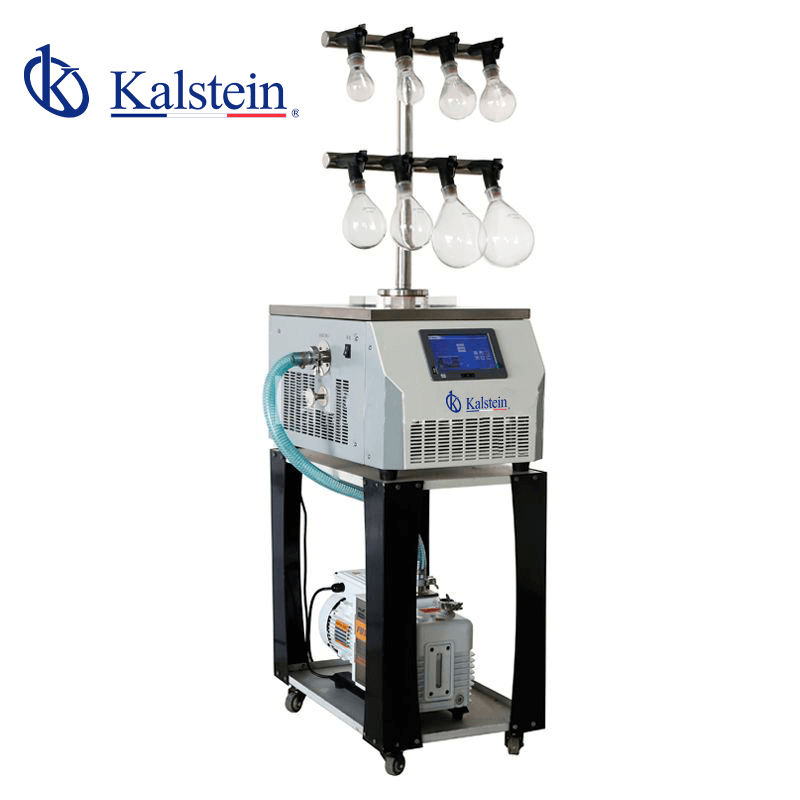
Lyophilizer YR05189-1: Interpretation of Results and Measurement Readings (Variant 2026-06-01)
The YR05189-1 Lyophilizer is a benchtop laboratory freeze dryer that plays a crucial role in various scientific fields including medicine, biology, and food production. Understanding the interpretation of results and measurement readings is essential for maximizing the effectiveness of the YR05189-1 during experiments. This article provides a comprehensive guide focusing on how to read and interpret the results generated by this lyophilizer.
Overview of YR05189-1 Lyophilizer
The lyophilizer operates using a freeze-drying process, which involves freezing samples and then sublimating their moisture under vacuum conditions. This method preserves the chemical and biological integrity of materials, making it a preferred technique in laboratory settings.
Technical Specifications of YR05189-1
| Specification | Details |
|---|---|
| Model | YR05189-1 |
| Condenser Capacity | 3-4 kg/24 h |
| Condenser Temperature | -55 ℃ (optional -80 ℃) |
| Vacuum Level | < 10 Pa |
| Sealed Valve with Rubber | 24 pieces for 24 ampoules, customizable |
| Cooling | Air, ambient temperature ≤25 ℃ |
| Voltage | 220 V, 50 Hz; 110 V, 50 Hz; 110 V, 60 Hz |
| Dimensions | 460 x 625 x (370 + 440) mm |
| Weight | 41 kg |
| Power | 700W |
Interpreting Results from YR05189-1
When utilizing the YR05189-1, operators should focus on key parameters that dictate the success of the freeze-drying process. Results can include moisture content, recovery rate, and physical appearance of the samples. Understanding these metrics is critical for assessing whether the lyophilization process was successful.
Moisture Content
Moisture content is a crucial result obtained post-lyophilization. Operators must measure the final moisture percentage, which indicates how effectively water has been removed from the product. Ideal moisture levels will vary depending on the specific application, but generally, levels closer to 1-2% are optimal for most laboratory samples.
Recovery Rate
The recovery rate is another vital metric which indicates the amount of material that has been successfully preserved post-process. A recovery rate of 90% or higher is usually considered satisfactory. Lower recovery rates may indicate issues during the lyophilization process such as inadequate vacuum pressure or improper temperature settings.
Common Misinterpretations of Measurement Data
Operators may sometimes misinterpret the results generated by the YR05189-1. Here are some common pitfalls:
- Underestimating Moisture Content: Failing to recognize that the sample may still contain moisture can lead to unexpected degradation.
- Ignoring Recovery Rates: Not analyzing recovery rates may result in overlooking systemic issues in the lyophilization process.
Practical Reading of Measurement Displays
The YR05189-1 features an LCD display that provides essential information. Understanding how to read this display is key to effective operation. It will typically show temperature settings, vacuum levels, and processing time. Operators should familiarize themselves with the display to swiftly diagnose any anomalies during the process.
Interpretation of Graphs and Data Outputs
Data outputs are often presented in graphical formats. Operators should review these graphs carefully, noting trends in temperature, pressure, and time. Understanding these trends will help in predictive maintenance and optimize future lyophilization runs.
Frequently Asked Questions
What are the optimal moisture levels for samples processed in the YR05189-1?
Optimal moisture levels for most laboratory samples processed in the YR05189-1 should be around 1-2%. This range ensures that the samples can be preserved effectively without degradation.
How can I determine if the lyophilization process was successful?
The success of the lyophilization process can be determined by evaluating the moisture content and recovery rates. A successful process typically yields moisture levels below 2% and recovery rates of 90% or higher.
What should I do if I notice inconsistent readings from the YR05189-1?
If inconsistent readings are noticed, it is important to check the calibration of the device, verify the vacuum levels and temperatures being used, and ensure that the samples are placed correctly in the lyophilizer.
How can I read the graphs generated by the YR05189-1?
To read the graphs, focus on the trends over time. Look for stable periods and assess what temperatures and pressures correspond to those periods to identify effective settings for future runs.
What types of products are best suited for lyophilization using the YR05189-1?
The YR05189-1 is suitable for a wide range of products including pharmaceuticals, biological samples, and food products. The key is to ensure that products can withstand the freeze-drying process.
What are common mistakes made during the measurement interpretation process?
Common mistakes include underestimating residual moisture levels, ignoring recovery rates, and misreading display data. It's crucial to analyze all aspects of the results thoroughly.
If you are looking for a fusion of innovation and quality, you have come to the right place. At Kalstein, we offer you the luxury of exploring our exclusive catalog of laboratory equipment. We manufacture every device to the highest standards of excellence. Our intuitive and seamless online purchasing channels are designed for your convenience, securing the most competitive prices. Hesitate no longer — we bring science to life, it is time to become part of our community.