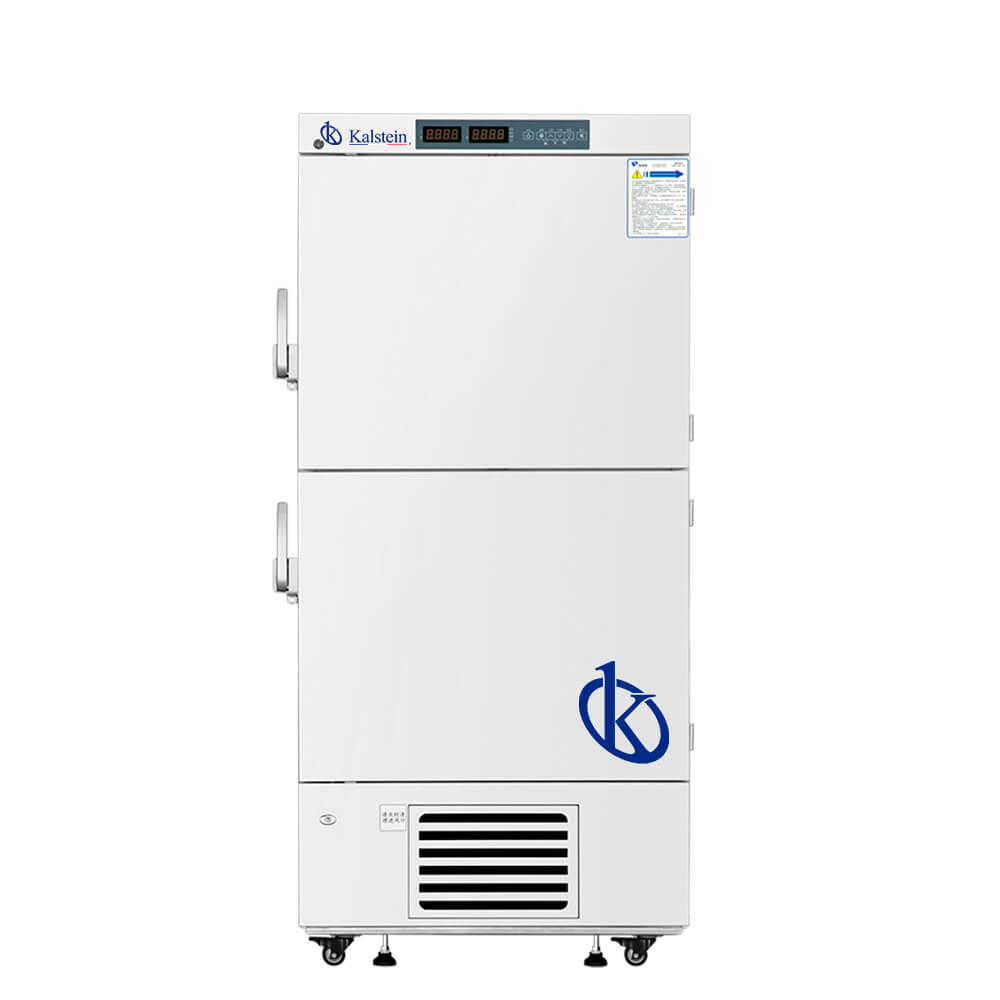
Low Temperature Freezers: Practical Usage Guide 2026
What is it used for in 2026
Low temperature freezers are critical in various laboratory settings, including biomedical research, pharmaceutical development, and clinical diagnostics. They are specifically designed to store biological samples, vaccines, and other temperature-sensitive materials at ultra-low temperatures, typically ranging from -20°C to -80°C.
In 2026, these freezers are utilized for preserving samples such as enzymes, proteins, and DNA, ensuring their stability and preventing degradation. Laboratories rely on these devices to maintain the integrity of their samples over extended periods, making them indispensable for long-term storage protocols.
History and evolution of the technology
The use of low temperature freezers dates back several decades, evolving significantly with advancements in refrigeration technology. Early models utilized basic cooling methods, which often resulted in temperature fluctuations that could compromise sample integrity.
Over the years, the introduction of advanced microprocessor controllers, improved refrigerant gases, and enhanced insulation technologies has led to more reliable and efficient low temperature freezers. In the 21st century, features such as alarm systems for temperature deviations and dual-cooling systems have become standard, ensuring that samples remain protected even in the event of power failures.
How to use it step by step
Using a low temperature freezer effectively involves several essential steps:
- Preparation: Before placing samples in the freezer, ensure that they are properly labeled and packaged to prevent contamination.
- Setting the temperature: Adjust the internal temperature settings according to the specific requirements of the samples being stored.
- Loading samples: Place the samples inside the freezer, making sure to maintain proper air circulation around them.
- Monitoring: Regularly check the temperature readings and alarm systems to ensure consistent performance.
- Maintenance: Conduct routine maintenance checks to clean filters and inspect seals to maximize efficiency.
Best techniques and protocols
To maximize the effectiveness of low temperature freezers, consider the following techniques and protocols:
- Pre-cooling: Pre-cool samples before placing them in the freezer to reduce thermal shock.
- Organized storage: Use adjustable shelving and bins to categorize samples based on their storage requirements.
- Regular audits: Perform regular inventory audits to ensure that all stored samples are accounted for and accessible.
- Documentation: Maintain logs of temperature readings and any incidents that may affect sample integrity.
Practical applications by laboratory type
Different laboratory types utilize low temperature freezers in various ways:
Research Laboratories
These facilities often store a wide range of biological samples, including cell lines and tissue samples, which require strict temperature control.
Pharmaceutical Companies
Pharmaceutical labs utilize low temperature freezers to store vaccines and compounds that must be kept frozen to maintain their efficacy.
Hospitals and Clinical Laboratories
These institutions frequently store blood samples and other critical materials needed for patient care and diagnostics.
Regulations, standards and certifications
Low temperature freezers must adhere to various regulations and standards, including:
- ISO 9001 for quality management systems.
- FDA compliance for medical devices when applicable.
- Local and international guidelines for the safe storage of biological materials.
Comparison with alternative technologies
Compared to alternative technologies such as liquid nitrogen storage, low temperature freezers offer easier access and lower operational complexity. While liquid nitrogen systems maintain lower temperatures, they require specialized handling and safety protocols. Low temperature freezers provide controlled environments without the risks associated with cryogenic storage.
Comparison of available models
| Model | Best for | Key specs | Recommended use case |
|---|---|---|---|
| YR05100 | General laboratory use | Temperature range: -20 ~ -40 °C, Energy consumption: 6.7 kWh/23h | Storing various biological samples efficiently |
| YR05309 | Medical supplies storage | Temperature range: -20 ~ -40 °C, Energy consumption: 5.5 kWh/24h | Ideal for storing temperature-sensitive medical supplies |
| YR05311 | Laboratory applications | Temperature range: -10 ~ -25 °C, Energy consumption: 300W | Maintaining high-quality sample preservation in labs |
Common mistakes and how to avoid them
Some common mistakes include:
- Overloading: Avoid overloading the freezer, as this can impede airflow and temperature regulation.
- Inconsistent monitoring: Regularly check temperature settings and alarms to prevent sample loss.
- Neglecting maintenance: Schedule routine maintenance to ensure optimal functioning.
Maintenance, calibration and good practices 2026
Maintaining low temperature freezers involves:
- Regularly cleaning the interior and exterior surfaces.
- Calibrating temperature sensors to ensure accuracy.
- Inspecting seals and gaskets for wear and tear.
- Keeping a log of all maintenance activities for future reference.
Cost-benefit analysis 2026
Investing in low temperature freezers can be justified by their ability to preserve valuable samples, potentially saving costs associated with sample loss and degradation. While initial costs may be significant, the long-term benefits of maintaining sample integrity and compliance with regulations provide a strong return on investment.
Frequently asked questions
What temperature should I set my low temperature freezer?
The temperature setting depends on the specific requirements of your samples. Generally, -20°C to -40°C is suitable for most biological materials.
How often should I maintain my low temperature freezer?
Routine maintenance should be conducted at least every six months, with more frequent checks if the unit is heavily used.
Can I store different types of samples in the same freezer?
While it's possible to store different types of samples, ensure they have similar temperature requirements and are properly packaged to prevent contamination.
What should I do if the alarm goes off?
First, check the temperature display and verify if it is out of the set range. Investigate the cause of the alarm, and if necessary, relocate samples to a backup freezer. Contact technical support if issues persist.
How can I ensure my samples are not compromised?
Implement strict monitoring protocols, maintain accurate logs, and regularly calibrate your freezer's temperature sensors.
Is training necessary for using low temperature freezers?
While basic operation is straightforward, training is recommended to ensure staff understands protocols for sample handling and emergency procedures.
Where can I get a quote for a low temperature freezer?
For a personalized quote, please request one through our channels, where we can assist you with your needs.
If you are looking for a fusion of innovation and quality, you have come to the right place. At Kalstein, we offer you the luxury of exploring our exclusive catalog of laboratory equipment. We manufacture every device to the highest standards of excellence. Our intuitive and seamless online purchasing channels are designed for your convenience, securing the most competitive prices. Hesitate no longer — we bring science to life, it is time to become part of our community.