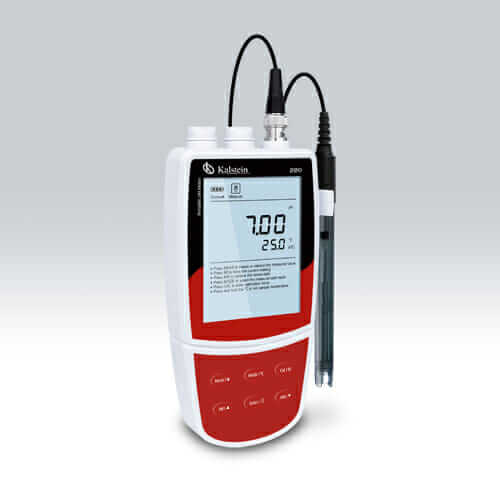
ISO/IEC Standards and Regulatory Compliance for Table pH Meters in 2026
In the realm of laboratory equipment, adherence to ISO/IEC standards is critical for ensuring accuracy, reliability, and compliance with regulatory requirements. This is particularly true for table pH meters, which are indispensable tools in various laboratories. In this article, we will explore the importance of ISO/IEC compliance for table pH meters, compare different models, and provide practical insights for laboratory professionals in 2026.
Understanding ISO/IEC Standards for Table pH Meters
ISO/IEC standards are designed to ensure the quality and consistency of laboratory equipment. For table pH meters, key standards include ISO 17025, which focuses on the competence of testing and calibration laboratories, and IEC 61010, which addresses safety requirements. Compliance with these standards helps laboratories maintain high-quality results while ensuring the safety of operators and equipment.
ISO 17025: Ensuring Testing Competence
The ISO 17025 standard outlines the requirements for the competence of testing laboratories. It mandates that laboratories demonstrate the ability to produce valid and reliable results. For table pH meters, this means regular calibration and maintenance procedures must be in place to ensure accurate measurements. Models like YR0220A and YR01822, with their automatic calibration features, play a crucial role in meeting these standards.
IEC 61010: Safety Standards for Laboratory Equipment
IEC 61010 sets forth safety requirements for electrical equipment used in laboratories. Safety features such as automatic shut-off and low-voltage alarms are essential. The YR01825 model, equipped with an intuitive touch screen and diagnostic features, enhances user safety while complying with IEC 61010 standards.
Traceability in Laboratory Measurements
Traceability is a vital component of compliance with ISO standards. It ensures that measurements can be linked to national or international measurement standards. Table pH meters must have features that support traceability, such as automatic buffer recognition. The YR01823-2 model, for example, offers extensive calibration options to facilitate traceability in various laboratory setups.
Documentation Requirements for Compliance
ISO/IEC compliance requires comprehensive documentation, including calibration records, maintenance logs, and equipment performance evaluations. A well-documented quality management system is essential for laboratories using table pH meters to maintain compliance. Laboratories can optimize the use of models like YR01823 with built-in data storage for easier documentation.
Common Mistakes in Regulatory Compliance and How to Avoid Them
Laboratories often encounter pitfalls in regulatory compliance, such as inadequate calibration protocols or failure to keep proper documentation. To avoid these issues, it's crucial to establish standard operating procedures (SOPs) and ensure all personnel are trained in compliance processes. Regular audits can also help catch potential non-compliance before it becomes an issue.
Comparison of Available Models
| Model | ISO/IEC Clauses Covered | Traceability Features | Best For |
|---|---|---|---|
| YR0220A | ISO 17025, IEC 61010 | Automatic buffer recognition | General laboratory use |
| YR01822 | ISO 17025 | Data storage for 1000 readings | Research applications |
| YR01825 | IEC 61010 | Automatic calibration | High-accuracy needs |
| YR01823-2 | ISO 17025 | Comprehensive calibration options | Environmental testing |
| YR01823 | ISO 17025, IEC 61010 | Auto-diagnosis features | Multi-user environments |
| YR01826 | ISO 17025 | USB connectivity for data transfer | Molecular biology labs |
How Table pH Meters Enhance Compliance and Efficiency
Utilizing modern table pH meters equipped with advanced features can significantly enhance compliance and efficiency in laboratory settings. For example, models like YR01826 come with USB connectivity, enabling seamless data transfer to compliance management systems, making it easier to maintain thorough records required by ISO standards.
Common Mistakes and How to Avoid Them
Many laboratories fail to maintain regular calibration schedules, leading to non-compliance with ISO/IEC standards. Implementing scheduled maintenance and calibration checks for table pH meters can mitigate this risk. Additionally, staff training on compliance requirements ensures that everyone is informed and vigilant about regulatory standards.
Frequently Asked Questions
What are the key ISO standards for table pH meters in laboratories?
The key ISO standards for table pH meters include ISO 17025 for testing competency and IEC 61010 for safety requirements. Compliance with these standards is essential for ensuring reliable lab results. Models like YR0220A ensure adherence to these regulations through features like automatic calibration.
How can I ensure my lab's pH meter complies with ISO 17025 in 2026?
To ensure compliance with ISO 17025, your lab should implement regular calibration protocols, maintain comprehensive documentation, and utilize models like YR01822, which support automatic calibrations and data storage essential for audits.
Which table pH meter offers the best traceability features in 2026?
The YR01823-2 model offers extensive traceability features through its comprehensive calibration options, aiding labs in maintaining traceable measurements compliant with ISO standards, ensuring accurate results essential for regulatory compliance.
How often should I calibrate my table pH meters to remain compliant?
Calibration frequency depends on usage, but it is recommended to calibrate table pH meters at least once a month or after significant use. Models like YR01825 with automatic calibration help ensure compliance with ISO standards.
What are the documentation requirements for table pH meter compliance?
Documentation requirements include maintaining calibration records, usage logs, and maintenance schedules. Utilizing models such as YR01826, which offers data storage capabilities, can streamline documentation processes for regulatory compliance.
What features should a laboratory look for in a compliant pH meter?
A compliant pH meter should have automatic calibration capabilities, user-friendly interfaces, and data storage features. Models like YR01822 combine these features, ensuring compliance with ISO standards while enhancing usability.
How do modern table pH meters help with regulatory compliance costs?
Modern table pH meters, such as the YR01825, help reduce compliance costs by minimizing errors through automatic calibration and data management, streamlining processes and reducing the need for frequent manual checks, which can be costly.
What type of training is necessary for using table pH meters effectively in compliance?
Training should focus on calibration protocols, data documentation, and understanding ISO compliance requirements. Familiarity with specific models like YR01823, which have unique features, can further enhance effective usage in laboratory settings.
If you are looking for a fusion of innovation and quality, you have come to the right place. At Kalstein, we offer you the luxury of exploring our exclusive catalog of laboratory equipment. We manufacture every device to the highest standards of excellence. Our intuitive and seamless online purchasing channels are designed for your convenience, securing the most competitive prices. Hesitate no longer — we bring science to life, it is time to become part of our community.