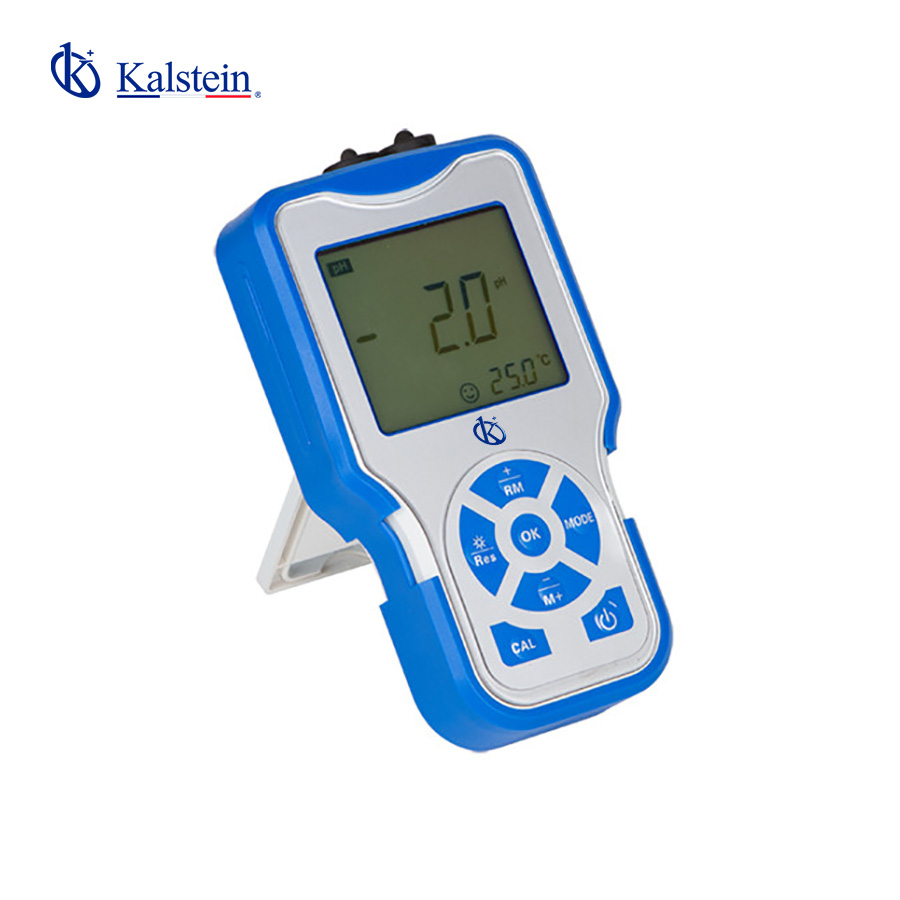
How to Integrate Portable Ion Meters with LIMS for Data Digitalization
The demand for efficient laboratory data management is rising, making the integration of Portable Ion Meters with Laboratory Information Management Systems (LIMS) crucial. This integration not only streamlines data flow but also enhances the accuracy of reporting and compliance with various standards. This article delves into how laboratory professionals can leverage portable ion meters to digitize data effectively.
Understanding Portable Ion Meters
Portable Ion Meters are essential tools for measuring ion concentration in various samples. Their versatility permits use in different environments, including laboratories and fieldwork. Key models such as the YR01816, YR01817-1, YR01817-10, YR01817-11, YR01817-12, and YR01817-13 are designed to assist professionals in achieving precise measurements.
Key Features of Portable Ion Meters
Portable Ion Meters come with multiple features that enable effective ion measurement. These include:
- Calibration: Many models, such as the YR01816, allow for 2 to 5-point calibration, ensuring high accuracy across varying ion concentrations.
- Display: LCD screens provide clear visibility of readings, making fieldwork feasible.
- Data Storage and Connectivity: Advanced models facilitate data transfer to LIMS, which is crucial for digitalization.
Importance of LIMS Integration
Integrating Portable Ion Meters with LIMS allows laboratories to manage data more effectively and supports compliance with industry standards. This integration leads to:
- Streamlined Data Management: Automatic data entry reduces human error and saves time.
- Enhanced Reporting: LIMS can generate detailed reports from ion meter data, facilitating better decision-making.
- Improved Compliance: Data stored in LIMS helps maintain compliance with ISO and regulatory requirements.
Comparison of Available Models
| Model | Price (USD) | Best for | Calibration Points | Key Features |
|---|---|---|---|---|
| YR01816 | 94.00 | General ion measurements | 2 to 5 | LCD display, ion concentration reading |
| YR01817-1 | 229.00 | Ammonium ion measurement | 2 to 5 | Temperature compensation, multiple concentration units |
| YR01817-10 | 500.00 | High accuracy for outdoor applications | 2 to 5 | Backlit LCD, extensive calibration options |
| YR01817-11 | 500.00 | High sensitivity ion analysis | 2 to 5 | Auto-diagnosis of electrode status |
| YR01817-12 | 500.00 | Field testing of ion concentrations | 2 to 5 | Multiple calibration solutions |
| YR01817-13 | 500.00 | Research applications | 2 to 5 | Robust design for harsh environments |
Common Mistakes and How to Avoid Them
In the pursuit of integrating portable ion meters with LIMS, laboratories often encounter several pitfalls. Some of the most common mistakes include:
- Neglecting Calibration: Failure to calibrate ion meters properly can lead to inaccurate results. Always perform calibration according to the manufacturer's guidelines.
- Inadequate Training: Users must be trained on both the meter and the LIMS. Investments in training reduce operational errors.
- Ignoring Data Security: Ensure that data transferred to LIMS is secure and compliant with data protection regulations.
Specific Aspects of LIMS Integration
Connectivity Protocols
Integrating portable ion meters with LIMS involves several connectivity protocols. Common protocols include HL7 and ASTM, which facilitate seamless data transfer between devices and systems. Devices like the YR01817-1 support various protocols, ensuring compatibility across multiple systems.
Data Validation Steps
Validating the data during transfer from Ion Meters to LIMS is essential. Steps include:
- Implementing checks to confirm data accuracy.
- Regular audits to ensure compliance with industry standards.
Example of Integration Architecture
A successful integration architecture includes the following components:
- Portable Ion Meters as data sources.
- LIMS as the central data management system.
- Middleware solutions for communication between devices and LIMS.
Key Performance Indicators (KPIs)
Establishing KPIs for monitoring integration success is crucial. Key KPIs include:
- Data entry accuracy
- Time taken for data transfer
- User satisfaction rates
Frequently Asked Questions
How can I ensure my portable ion meter data is compliant with ISO 17025?
To ensure compliance with ISO 17025, use models like the YR01816, which supports multiple calibration points and accurate measurements. Regularly calibrate according to ISO guidelines, ensuring traceability and accuracy in your data management system.
Which portable ion meters are best for outdoor applications in 2023?
The YR01817-10 model is ideal for outdoor applications due to its robust design and precision. It is equipped with an LCD display and supports various calibration points, which are essential for accurate outdoor testing.
What are the main benefits of integrating a portable ion meter with LIMS?
Integrating portable ion meters with LIMS streamlines data management, enhances reporting accuracy, and ensures compliance with standards like ISO 17025. This integration helps labs manage data efficiently, reducing errors and improving productivity.
How often should I calibrate my portable ion meter to maintain accuracy?
Calibration frequency depends on usage and manufacturer recommendations. For models such as the YR01816, regular calibration every 3-6 months is advisable to maintain measurement accuracy and reliability.
What is the average cost of portable ion meters suitable for LIMS integration?
The average cost for portable ion meters suitable for LIMS integration ranges from $94.00 for the YR01816 to $500.00 for advanced models like the YR01817-11, reflecting the features and capabilities needed for effective data management.
How does temperature affect the accuracy of portable ion meters?
Temperature can significantly impact measurement accuracy. Models like the YR01817-1 offer automatic temperature compensation to help maintain precise readings even as environmental conditions change.
What is the best practice for storing ion meter data in LIMS?
Best practices for storing ion meter data in LIMS include using secure databases, implementing data validation checks, and ensuring regular backups. This maintains data integrity and compliance with regulatory standards.
Conclusion
Integrating portable ion meters with LIMS is an essential step towards achieving efficient laboratory data management. By understanding the features of models like the YR01816 and YR01817-1, laboratories can enhance their data accuracy and compliance.
If you are looking for a fusion of innovation and quality, you have come to the right place. At Kalstein, we offer you the luxury of exploring our exclusive catalog of laboratory equipment. We manufacture every device to the highest standards of excellence. Our intuitive and seamless online purchasing channels are designed for your convenience, securing the most competitive prices. Hesitate no longer — we bring science to life, it is time to become part of our community.