Industrial Ovens: Practical Applications and Techniques 2026
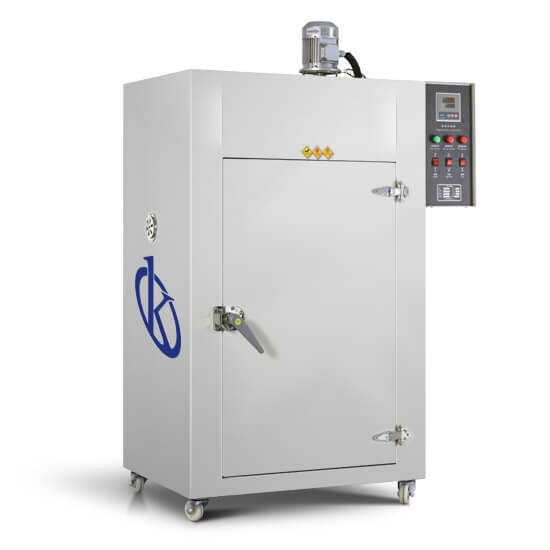
Industrial ovens play a crucial role in various laboratory settings, providing the necessary environment for drying, curing, and heat-treating materials efficiently. This guide aims to educate laboratory professionals on the practical applications, techniques, and best practices associated with the use of industrial ovens in 2026.
What is it used for in 2026
In 2026, industrial ovens are utilized across multiple laboratory environments for tasks such as drying, sterilizing, and heat treatment of samples and materials. They are especially important in industries like electronics, pharmaceuticals, and materials science, where precise temperature control and uniform heat distribution are critical. The ability to effectively remove moisture from products without compromising their integrity makes these ovens invaluable in laboratory workflows.
History and evolution of the technology
The concept of using heat for drying and processing materials dates back centuries. However, industrial ovens have evolved significantly, incorporating advanced technologies such as microcomputer temperature control and digital screens. Initially, ovens were simple heated boxes; the introduction of insulated materials and advanced heating elements has led to greater efficiency and safety. In 2026, the focus is on energy efficiency, user-friendly interfaces, and enhanced safety features, including explosion-proof locks and doors.
How to use it step by step
Using an industrial oven involves several steps to ensure optimal results:
- Prepare the materials: Ensure that the samples are properly placed within the oven, allowing adequate space for air circulation.
- Set the parameters: Input the desired temperature and time on the digital interface, taking into account the specific requirements of the material being processed.
- Monitor the process: Regularly check the oven's internal conditions and adjust if necessary, ensuring consistency throughout the operation.
- Complete the cycle: Once the timer goes off, allow the oven to cool down before opening it to prevent sudden temperature changes that could affect the samples.
- Document results: Record the parameters used and the outcomes for future reference and analysis.
Best techniques and protocols
To maximize the efficacy of industrial ovens, it is essential to follow established protocols:
- Calibration: Regularly calibrate the temperature sensors to ensure precision.
- Loading: Avoid overcrowding the oven to promote even heat distribution.
- Preheating: Preheat the oven before placing samples inside for consistent results.
- Safety checks: Always verify that safety features are functioning before operation.
Practical applications by laboratory type
Different laboratories apply industrial ovens in unique ways:
- Pharmaceutical Labs: Used for drying granulated substances and sterilizing equipment.
- Electronics Labs: Ideal for curing coatings and drying electronic components.
- Material Science Labs: Useful for heat treatment of metals and polymers for enhanced properties.
- Chemical Labs: Employed in the drying of solvents and reducing moisture levels in chemicals.
Regulations, standards and certifications
In 2026, compliance with industry standards and regulations is paramount. Laboratories must adhere to guidelines such as ISO and ASTM standards concerning safety and performance. Additionally, certifications for energy efficiency and safety are important to ensure that industrial ovens operate within legal requirements, safeguarding both users and the environment.
Comparison with alternative technologies
Industrial ovens differ from alternative thermal processing technologies such as microwave drying and vacuum ovens. While microwave drying can facilitate quicker processes, industrial ovens provide more uniform heating and are better suited for larger batches. Vacuum ovens, while effective for sensitive materials, may not offer the same capacity and ease of operation as industrial ovens, making them a preferred choice for many laboratories.
Comparison of available models
| Model | Best for | Key specs | Recommended use case |
|---|---|---|---|
| YR05256-A | Uniform heat application | 300 liters, 4-6 kW | Batch drying and material preparation in industrial settings. |
| YR05257-1-A | Large batch processing | 864 liters, 8-12 kW | Ideal for extensive drying projects in mining and electronics. |
| YR05258-SS | Durability and efficiency | 300 liters, 4-6 kW | Desirable for jewelry drying and electroplating industries. |
| YR05259-1-SS | High capacity operations | 864 liters, 8-12 kW | Perfect for heavy-duty applications in large-scale laboratories. |
Common mistakes and how to avoid them
Several common mistakes can impede the effective use of industrial ovens:
- Overloading: Avoid placing too many samples at once, as this can restrict airflow and lead to uneven drying.
- Ignoring calibration: Regularly calibrate equipment to maintain accuracy.
- Inadequate monitoring: Always supervise the process to make necessary adjustments in real time.
- Neglecting maintenance: Follow maintenance protocols to ensure longevity and optimal performance of the oven.
Maintenance, calibration and good practices 2026
Regular maintenance is crucial for the longevity of industrial ovens. Key practices include:
- Routine cleaning: Keep the interior and exterior clean to prevent contamination.
- Scheduled calibration: Perform calibration checks at regular intervals to ensure temperature accuracy.
- Inspect safety features: Regularly check door locks and alarms to ensure they function correctly.
Cost-benefit analysis 2026
Investing in industrial ovens can yield significant benefits for laboratories. While the initial cost may be substantial, the efficiency gained, reduced operation time, and improved product quality contribute to long-term savings. In addition, the versatility of these ovens allows for various applications, making them a valuable asset in diverse laboratory settings.
Frequently asked questions
What should I consider when choosing an industrial oven?
When choosing an industrial oven, consider factors such as capacity, temperature range, energy efficiency, and safety features. Assess your specific laboratory needs and the types of materials you will be processing.
How do I ensure the accuracy of my oven’s temperature?
To ensure accuracy, regularly calibrate the temperature sensors and perform routine checks against known standards. This practice helps maintain the oven's reliability.
What is the best way to load samples in the oven?
Load samples with sufficient space between them to allow for proper airflow, which is essential for even heating and drying. Avoid overloading the oven at any time.
Can I use industrial ovens for different materials?
Yes, industrial ovens are versatile and can be used for various materials. However, ensure that the temperature settings are appropriate for the specific material to avoid damage.
What maintenance is required for industrial ovens?
Maintenance includes regular cleaning, calibration checks, and inspections of safety features. Follow the manufacturer’s guidelines for specific maintenance recommendations.
How do I handle safety when using industrial ovens?
Always adhere to safety protocols, including proper training for users, regular inspections of safety locks, and ensuring the workspace is clear of flammable materials.
Where can I request a quote for industrial ovens?
You can request a quote through our dedicated channels to explore various models that meet your laboratory needs.
If you are looking for a fusion of innovation and quality, you have come to the right place. At Kalstein, we offer you the luxury of exploring our exclusive catalog of laboratory equipment. We manufacture every device to the highest standards of excellence. Our intuitive and seamless online purchasing channels are designed for your convenience, securing the most competitive prices. Hesitate no longer — we bring science to life, it is time to become part of our community.