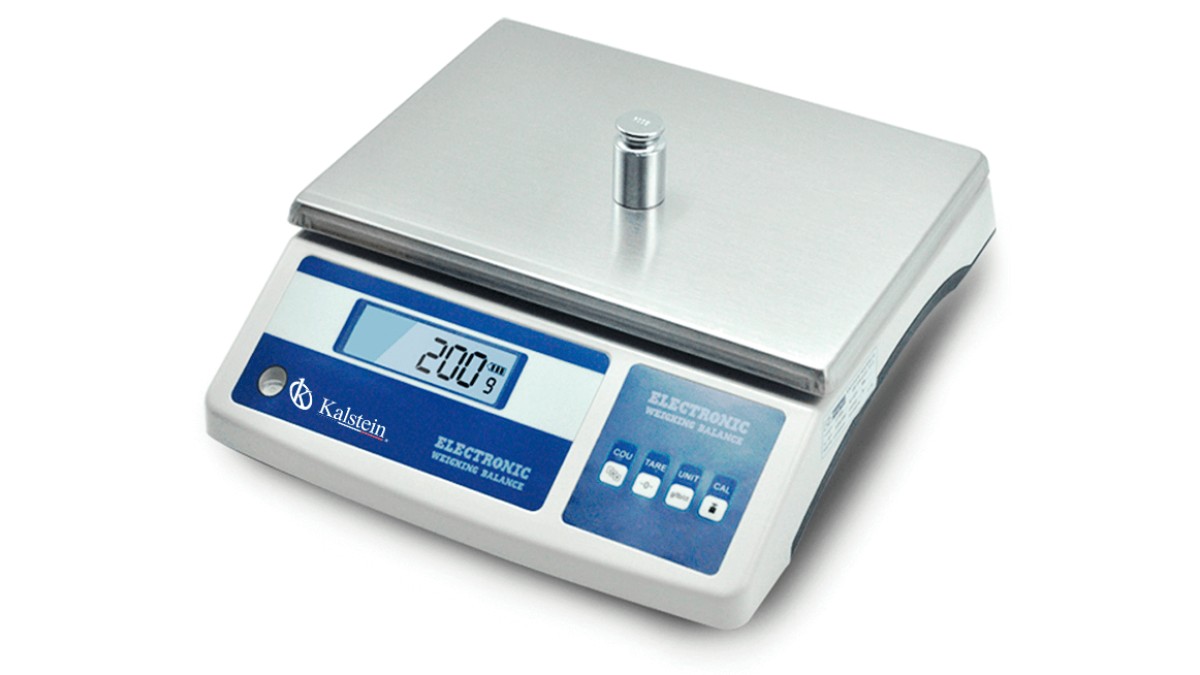
Industrial Balances: Practical Applications and Techniques 2026
What is it used for in 2026
Industrial balances are essential in various laboratory settings, providing accurate weight measurements crucial for quality control, formulation, and research. In 2026, these balances are increasingly utilized in pharmaceutical, chemical, and food safety laboratories. They are designed to handle large load capacities with high precision, making them ideal for weighing raw materials, finished products, and even hazardous substances.
History and evolution of the technology
The evolution of industrial balances began centuries ago, moving from simple beam balances to advanced electronic systems. Over the years, improvements in technology have led to enhanced accuracy and user-friendly features, such as digital displays and connectivity options. Today, industrial balances are equipped with sophisticated load cells and software, enabling compliance with strict industry standards.
How to use it step by step
Using an industrial balance effectively involves several steps:
- Preparation: Ensure the balance is placed on a stable surface and calibrated according to the manufacturer's instructions.
- Zeroing: Turn on the balance and press the tare button to zero the weight display.
- Loading: Carefully place the sample or container on the pan without exceeding the balance's capacity.
- Reading: Wait for the reading to stabilize before recording the weight displayed.
- Post-use: Remove the sample and perform cleanup if necessary. Record all data for future reference.
Best techniques and protocols
To achieve optimal results, follow these techniques:
- Use anti-vibration tables to minimize external influences on measurements.
- Always calibrate balances regularly, especially before critical measurements.
- Utilize windshields for larger samples to prevent air currents from affecting readings.
- Ensure proper handling techniques to avoid spills or contamination during weighing.
Practical applications by laboratory type
Industrial balances serve various laboratory types, including:
- Pharmaceutical Labs: Accurate weighing of active ingredients for drug formulation.
- Chemical Labs: Measuring chemicals for experiments and quality control.
- Food Safety Labs: Weighing food samples for safety testing and nutritional analysis.
Regulations, standards and certifications
Industrial balances must comply with various regulations such as ISO, ASTM, and OIML standards. Regular audits and certifications ensure balances function correctly and meet industry requirements.
Comparison with alternative technologies
While industrial balances excel in precision and load capacity, alternatives like analytical balances or load cells might be suitable for smaller, more sensitive measurements. Understanding the specific needs of the laboratory is crucial in selecting the appropriate technology.
Comparison of available models
| Model | Best for | Key specs | Recommended use case |
|---|---|---|---|
| YR05606 | Weighing up to 11kg | 1g readability, 315x230mm pan | General laboratory use |
| YR05607 | Weighing up to 16kg | 1g readability, 315x230mm pan | Quality control in production |
| YR05608 | Weighing up to 21kg | 1g readability, 315x230mm pan | Chemical experiments |
| YR05609 | Weighing up to 31kg | 1g readability, 315x230mm pan | Heavy-duty industrial applications |
| YR05610 | Weighing up to 5.1kg | 0.1g readability, 315x230mm pan | Small samples and precise measurements |
| YR05611 | Weighing up to 11kg | 0.1g readability, 315x230mm pan | Pharmaceutical applications |
| YR05612 | Weighing up to 16kg | 0.1g readability, 315x230mm pan | Food safety testing |
| YR05613 | Weighing up to 21kg | 0.1g readability, 315x230mm pan | Research and development |
| YR05614 | Weighing up to 26kg | 0.1g readability, 315x230mm pan | Large volume laboratory tasks |
Common mistakes and how to avoid them
Some common mistakes include:
- Not calibrating: Always calibrate before use to ensure accuracy.
- Overloading the balance: Adhere to the weight limits to prevent damage.
- Poor sample handling: Use appropriate containers and techniques to avoid contamination.
Maintenance, calibration and good practices 2026
Regular maintenance of industrial balances is essential. This includes:
- Cleaning the balance after use to prevent residue buildup.
- Periodic calibration with certified weights to maintain accuracy.
- Storing balances in a controlled environment to avoid temperature and humidity fluctuations.
Cost-benefit analysis 2026
Investing in industrial balances offers significant benefits, including:
- Improved accuracy and efficiency in laboratory operations.
- Compliance with industry standards, reducing the risk of errors.
- Long-term cost savings from reduced material waste and rework.
Frequently asked questions
What should I consider when choosing an industrial balance?
Consider the maximum weight capacity, readability, and the specific applications you will be using the balance for. Choosing a model tailored to your needs ensures optimal performance.
How often should I calibrate my industrial balance?
Calibration should be performed before critical measurements and at least once a month. More frequent calibration may be necessary in high-use environments.
Can I use an industrial balance for sensitive measurements?
While industrial balances are designed for larger loads, they can perform sensitive measurements with appropriate techniques. However, analytical balances are better suited for ultra-sensitive applications.
What is the best way to maintain an industrial balance?
Regular cleaning, proper storage, and timely calibration are key maintenance practices. Always follow the manufacturer's guidelines for specific maintenance needs.
What are the signs that my industrial balance needs recalibration?
If you notice inconsistent readings, difficulty in stabilizing measurements, or weight fluctuations, it may be time to recalibrate your balance.
How does temperature affect the accuracy of measurements?
Temperature fluctuations can lead to expansion or contraction of materials, affecting weight readings. Maintaining a stable environment for your balance is essential for accuracy.
Where can I find reliable industrial balances?
You can request a quote on industrial balances and explore various models that suit your needs. Consider reputable suppliers to ensure quality and support.
If you are looking for a fusion of innovation and quality, you have come to the right place. At Kalstein, we offer you the luxury of exploring our exclusive catalog of laboratory equipment. We manufacture every device to the highest standards of excellence. Our intuitive and seamless online purchasing channels are designed for your convenience, securing the most competitive prices. Hesitate no longer — we bring science to life, it is time to become part of our community.