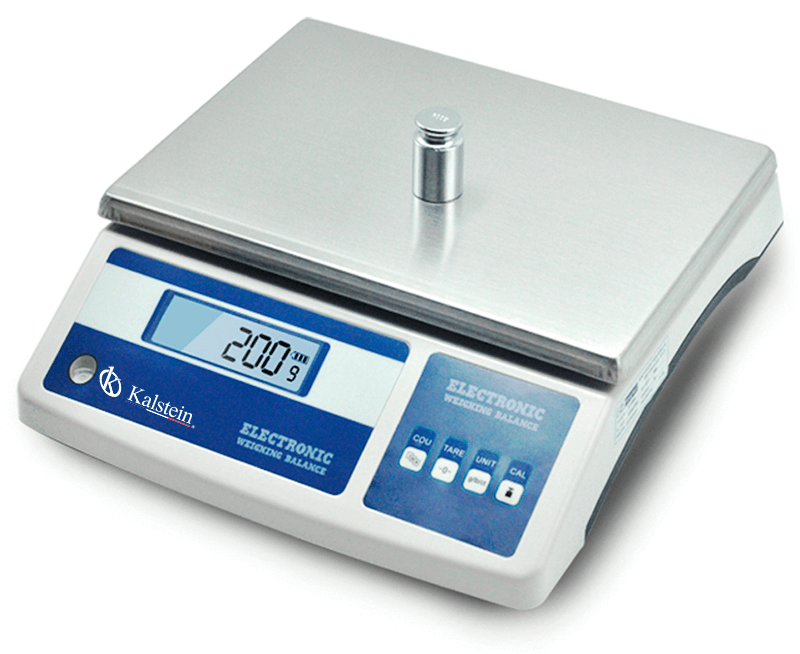
Industrial Balances: Integration with LIMS and Data Flow Digitalization 2026
In the evolving landscape of laboratory operations, integrating industrial balances with Laboratory Information Management Systems (LIMS) and digitalizing data flows is pivotal for improving efficiency and accuracy. This article delves into the significance of these integrations in 2026, highlighting various models of industrial balances and evaluating their capabilities in facilitating seamless laboratory operations.
Understanding Industrial Balances in the Context of LIMS Integration
Industrial balances serve as crucial instruments in laboratories, providing precise weight measurements essential for various applications. With the advent of LIMS, the integration of these balances into digital workflows has become increasingly vital. LIMS facilitates the automation of data collection, storage, and retrieval, significantly enhancing productivity and minimizing human errors.
In 2026, the focus is on optimizing data capture through industrial balances, ensuring that every measurement is seamlessly transferred into LIMS for real-time analysis and reporting. This integration not only streamlines laboratory processes but also contributes to regulatory compliance and data integrity.
Key Features of Industrial Balances Supporting LIMS Integration
Several key features make industrial balances particularly suitable for LIMS integration:
- Connectivity Options: Many modern industrial balances support various connectivity protocols, such as USB, RS232, and Ethernet, facilitating easy integration with LIMS.
- Data Formats: Support for standardized data formats ensures compatibility with LIMS, allowing for smooth data transfer.
- Real-Time Data Transfer: The ability to send data in real-time minimizes delays, making it possible to monitor weight changes instantly.
- Traceability: Industrial balances equipped with traceability features help maintain compliance with regulatory standards, essential for laboratory accreditation.
Comparison of Available Models
| Model | Capacity (kg) | Readability (g) | Best for | Integration Effort |
|---|---|---|---|---|
| YR05606 | 11 | 1 | General laboratory use | Low |
| YR05607 | 16 | 1 | Industrial applications | Medium |
| YR05608 | 21 | 1 | High-volume production | Medium |
| YR05609 | 31 | 1 | Bulk material weighing | High |
| YR05610 | 5.1 | 0.1 | Precision tasks | Low |
| YR05611 | 11 | 0.1 | General laboratory use | Medium |
| YR05612 | 16 | 0.1 | Industrial applications | Medium |
| YR05613 | 21 | 0.1 | High-volume production | Medium |
| YR05614 | 26 | 0.1 | Bulk material weighing | High |
Common Mistakes and How to Avoid Them
Integrating industrial balances with LIMS is not without challenges. Here are common pitfalls and strategies to avoid them:
- Neglecting Connectivity Compatibility: Ensure that balance connectivity options align with LIMS requirements before purchase.
- Underestimating Data Integrity Needs: Regularly audit data transfer processes to maintain high data integrity standards.
- Ignoring User Training: Provide comprehensive training for staff on how to use and integrate balances with LIMS effectively.
- Inadequate Calibration Practices: Develop a robust calibration schedule to maintain balance accuracy and compliance with standards.
Importance of Data Flow Digitalization in 2026
The digitalization of data flow in laboratories has become increasingly crucial in 2026. This trend is driven by the need for efficiency, accuracy, and compliance with regulatory standards. Digital data flows allow for improved data management, enabling labs to reduce errors associated with manual data entry and streamline workflow.
Integrating industrial balances into this digital flow ensures that data is captured and stored accurately, facilitating better decision-making and reporting. The real-time data transfer capabilities of modern industrial balances support immediate access to weight data, which is essential for laboratories aiming to optimize their operations.
Data Management Solutions for Industrial Balances
Effective data management is crucial in leveraging the capabilities of industrial balances. Here are several strategies for managing data flows:
- Utilizing Middleware: Implement middleware solutions that facilitate communication between industrial balances and LIMS for enhanced integration.
- Establishing Data Standards: Define data standards to ensure uniformity in how weight data is captured and processed.
- Automating Data Entry: Utilize automated data entry systems to minimize human error and enhance data accuracy.
- Regular Data Audits: Conduct regular audits of data management processes to identify and rectify discrepancies.
Best Practices for Successful LIMS Integration
To ensure successful integration of industrial balances with LIMS, consider the following best practices:
- Clearly Define Integration Goals: Set specific objectives for what the integration should achieve, including improved efficiency and compliance.
- Invest in Training and Support: Ensure that laboratory personnel are adequately trained to operate both the balances and the LIMS effectively.
- Choose Flexible Solutions: Select industrial balances that can adapt to changing technological landscapes and integration requirements.
- Monitor and Evaluate Performance: Regularly assess the performance of both the balances and LIMS to ensure they meet laboratory needs.
Frequently Asked Questions
How can I ensure LIMS integration with industrial balances is seamless in 2026?
To ensure seamless LIMS integration with industrial balances in 2026, choose models like YR05607, which support various connectivity protocols. Conduct thorough compatibility checks and provide training for staff. Regular audits of data transfer processes will also help maintain data integrity.
What are the best industrial balances for data flow digitalization in 2026?
The YR05609 and YR05608 models are excellent choices for data flow digitalization in 2026 due to their high capacity and real-time data transfer capabilities. These balances facilitate efficient data management and accurate monitoring within LIMS.
Which industrial balance offers the best capacity for laboratory use in 2026?
For laboratory use in 2026, the YR05609 model, with a capacity of 31 kg, is highly recommended. It is suitable for a wide range of applications and allows for smooth integration with LIMS, enhancing the efficiency of data workflows.
What are the key features of modern industrial balances for LIMS integration?
Modern industrial balances like the YR05606 feature connectivity options such as USB and Ethernet, which are critical for LIMS integration. They also support standardized data formats, ensuring compatibility and facilitating real-time data transfer.
How do I maintain compliance with ISO standards using industrial balances?
To maintain compliance with ISO standards using industrial balances, models such as YR05611 provide traceability features essential for regulatory adherence. Regular calibration and audits of data processes further support compliance and data integrity.
What is the significance of real-time data transfer in industrial balances?
Real-time data transfer in industrial balances, exemplified by the YR05608 model, is significant for laboratories as it ensures immediate access to measurement data. This capability minimizes delays and enhances the overall efficiency of laboratory operations.
If you are looking for a fusion of innovation and quality, you have come to the right place. At Kalstein, we offer you the luxury of exploring our exclusive catalog of laboratory equipment. We manufacture every device to the highest standards of excellence. Our intuitive and seamless online purchasing channels are designed for your convenience, securing the most competitive prices. Hesitate no longer — we bring science to life, it is time to become part of our community.