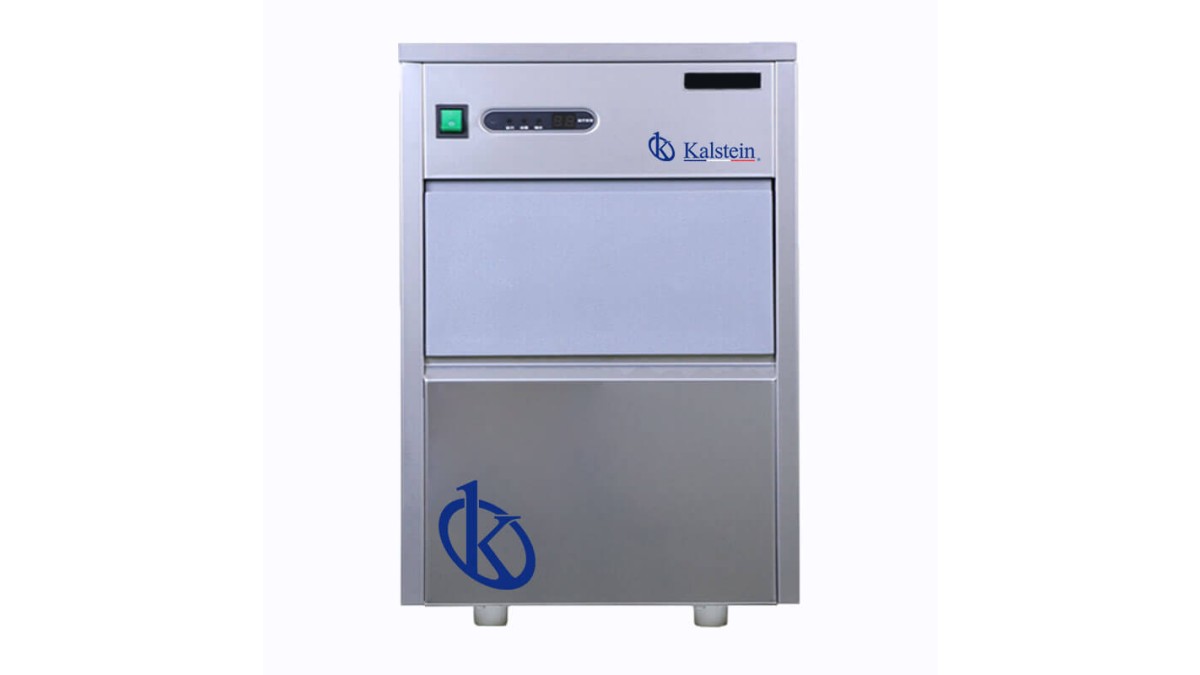
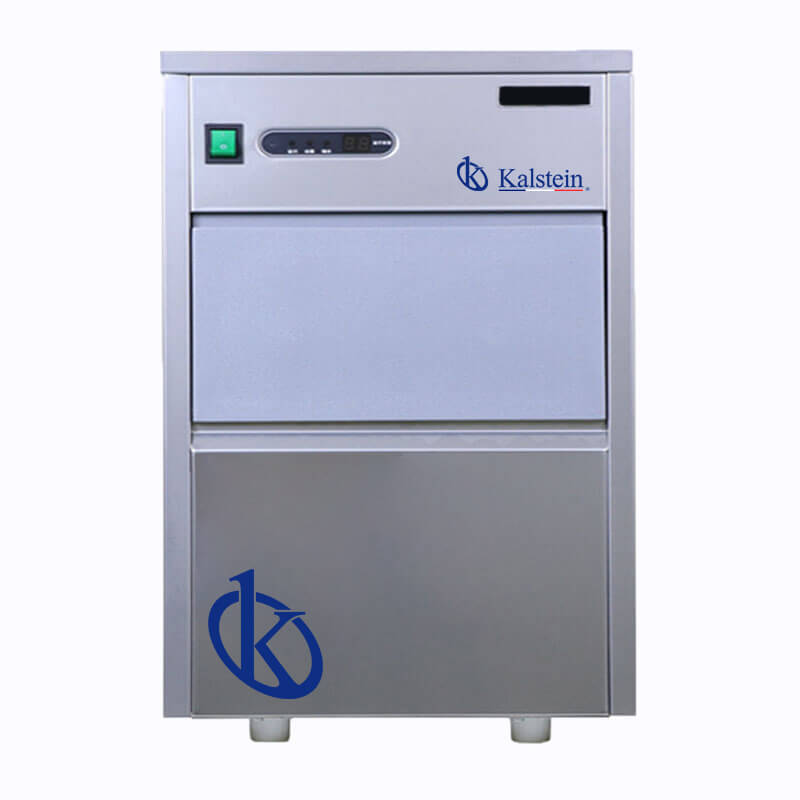
Ice Machines: Practical Applications and Techniques 2026
In the ever-evolving landscape of laboratory technology, ice machines have become indispensable. These machines play a crucial role in various laboratory settings, particularly in maintaining sample integrity and facilitating numerous procedures. This article delves into the practical applications, techniques, and best practices associated with ice machines in clinical and hospital laboratories in 2026.
What is it used for in 2026
Ice machines are primarily utilized for the generation and storage of ice in laboratory settings. Their applications include:
- Preservation of biological samples during transport.
- Cooling reagents and instruments to ensure optimal functioning.
- Facilitating temperature-sensitive experiments.
- Providing immediate access to ice for various laboratory processes.
- Ensuring compliance with temperature regulations for certain experiments.
History and evolution of the technology
The technology behind ice machines has significantly evolved since their inception. Initially, ice was produced through manual processes and natural freezing methods. However, advancements in refrigeration technology have led to the creation of sophisticated machines that can generate large quantities of ice quickly and efficiently. By 2026, ice machines employ high-quality components and have become more energy-efficient, compact, and versatile.
How to use it step by step
Using an ice machine effectively requires understanding the specific model's functionalities. Here’s a step-by-step guide:
- Setup: Place the ice machine on a stable surface, ensuring proper ventilation and proximity to a water source.
- Connect Water Supply: Connect the water supply to the machine according to the manufacturer’s instructions.
- Power On: Plug in the machine and turn it on using the designated power switch.
- Select Ice Type: If your model allows, select the type of ice you wish to produce (e.g., cubes, flakes).
- Monitor Production: Keep an eye on the production process; some models have indicators to show ice readiness.
- Storage: Once ice is produced, ensure it is stored in an insulated bin or container to maintain temperature.
- Regular Cleaning: Follow the cleaning instructions to maintain the machine's hygiene and efficiency.
Best techniques and protocols
When utilizing ice machines, adhering to best practices is essential. These include:
- Regularly check and maintain the water supply and cleanliness of the machine.
- Use insulated containers for ice storage to prolong its lifespan.
- Calibrate the machine periodically to ensure optimal performance.
- Establish a schedule for routine maintenance to prevent malfunctions.
- Educate all laboratory personnel on the proper usage and safety protocols associated with ice machines.
Practical applications by laboratory type
Different laboratory types utilize ice machines for various needs:
- Clinical Laboratories: For maintaining samples and reagents at required temperatures.
- Research Laboratories: To facilitate experiments requiring cryopreservation or rapid cooling.
- Pharmaceutical Laboratories: For safe handling and storage of temperature-sensitive materials.
- Food Safety Laboratories: For testing and maintaining sample integrity.
Regulations, standards and certifications
Ice machines in laboratories must comply with stringent regulations and standards to ensure safety and efficacy. Commonly recognized standards include:
- ISO 9001 for quality management systems.
- FDA regulations for laboratory equipment.
- Local health and safety standards depending on the region.
Comparison with alternative technologies
While ice machines are crucial, alternative technologies exist for cooling needs in laboratories:
- Refrigerators: Used for storage but lack ice production capability.
- Dry Ice: Provides extreme cooling but comes with handling challenges.
- Liquid Nitrogen Systems: Effective for cryopreservation but requires careful handling and storage.
Comparison of available models
| Model | Best for | Key specs | Recommended use case |
|---|---|---|---|
| YR05130 | Small laboratories requiring moderate ice production | 20 Kg / 24h, 10 Kg storage | Ideal for educational and medical labs |
| YR05131 | Medium-sized operations needing high-quality ice | 30 Kg / 24h, 10 Kg storage | Best for clinical and research labs |
| YR05132 | High demand for ice in larger labs | 40 Kg / 24h, 15 Kg storage | Suitable for pharmaceutical labs |
| YR05133 | Larger scale ice production | 50 Kg / 24h, 15 Kg storage | Ideal for research facilities |
| YR05134 | Heavy usage environments | 60 Kg / 24h, 25 Kg storage | Best for food safety testing labs |
| YR05135 | High-volume ice generation | 70 Kg / 24h, 25 Kg storage | Recommended for hospitals |
Common mistakes and how to avoid them
Laboratory personnel often make common mistakes when using ice machines. Here’s how to avoid them:
- Ignoring maintenance schedules can lead to breakdowns; always follow the recommended maintenance plan.
- Improper storage of ice can result in melting; ensure insulated containers are used.
- Not monitoring ice production may lead to shortages; set reminders to check ice levels regularly.
- Forgetting to clean the machine can lead to contamination; incorporate cleaning into daily routines.
Maintenance, calibration and good practices 2026
Proper maintenance and calibration are crucial for the longevity of ice machines. Consider the following:
- Regularly check and replace water filters as needed.
- Clean the interior and exterior surfaces of the machine weekly.
- Perform calibration checks every six months to ensure accurate ice production.
- Keep a log of maintenance activities to track performance over time.
Cost-benefit analysis 2026
When considering the purchase of an ice machine, evaluate the cost versus benefits:
- Initial Investment: Includes purchase price and installation costs.
- Operational Costs: Factor in energy consumption and maintenance expenses.
- Efficiency: A machine that produces ice quickly can save time and enhance productivity.
- Longevity: High-quality machines may cost more upfront but provide better return on investment over time.
Frequently asked questions
What should I consider when choosing an ice machine for my lab?
Consider the size of your laboratory, the volume of ice needed, energy efficiency, and the specific applications for which the ice will be used.
How often should I clean my ice machine?
It is recommended to clean your ice machine at least once a week to prevent contamination and maintain efficiency.
What are the best practices for storing ice produced by the machine?
Use insulated containers to store ice and ensure they are kept in a cool environment to prevent melting.
Can ice machines operate in high-temperature environments?
Most ice machines operate best in moderate temperature environments; extreme heat can affect their efficiency and output.
How can I ensure the longevity of my ice machine?
Regular maintenance, prompt repairs, and adherence to manufacturer guidelines can significantly extend the longevity of your ice machine.
What is the expected lifespan of an ice machine?
With proper maintenance, an ice machine can last anywhere from 5 to 10 years, depending on usage and care.
Where can I request a quote for purchasing an ice machine?
You can request a quote by contacting us through our channels, where we offer competitive pricing on high-quality laboratory equipment.
If you are looking for a fusion of innovation and quality, you have come to the right place. At Kalstein, we offer you the luxury of exploring our exclusive catalog of laboratory equipment. We manufacture every device to the highest standards of excellence. Our intuitive and seamless online purchasing channels are designed for your convenience, securing the most competitive prices. Hesitate no longer — we bring science to life, it is time to become part of our community.