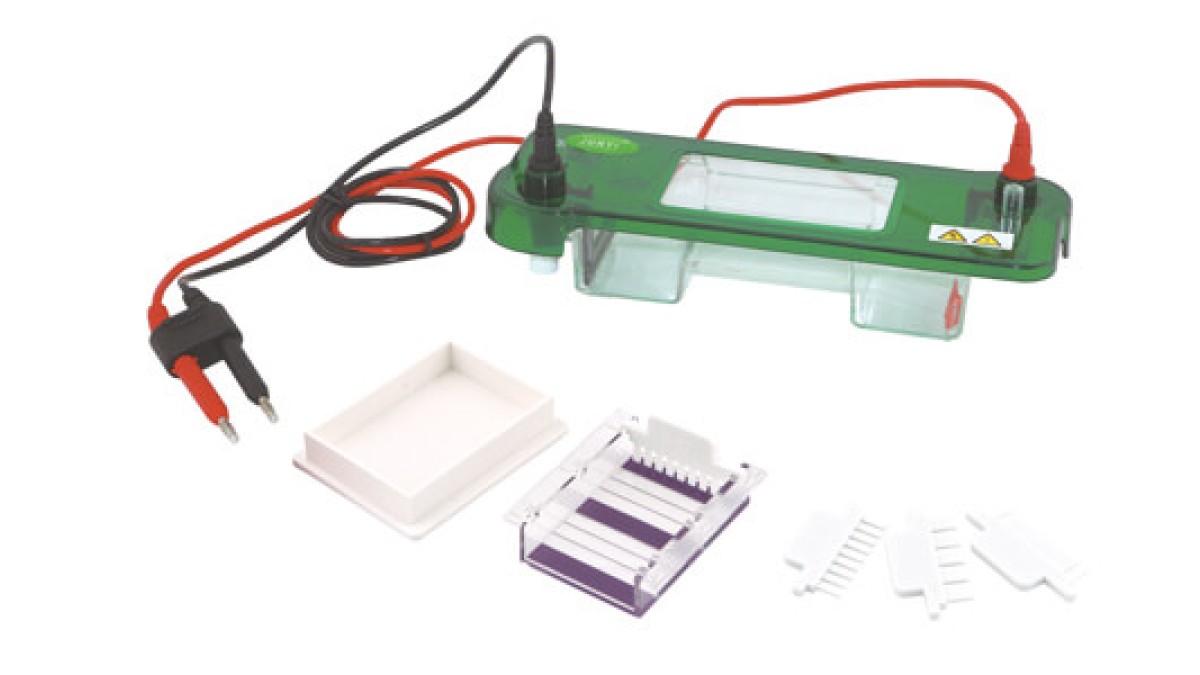
Horizontal Electrophoresis: Common Mistakes and How to Avoid Them in Daily Operation 2026
What is it used for in 2026
Horizontal electrophoresis is a widely utilized technique in laboratories for the separation and analysis of biomolecules such as DNA, RNA, and proteins. This method allows researchers to analyze the size, purity, and concentration of these molecules, making it essential for applications in genomics, proteomics, and molecular biology. In 2026, it remains a cornerstone for various studies, including genetic research, clinical diagnostics, and quality control in biotechnology labs.
History and evolution of the technology
The evolution of horizontal electrophoresis dates back to the early 20th century when it was first introduced as a method for separating charged particles. Over the decades, advancements in gel formulations, buffer systems, and equipment design have significantly improved the efficiency and resolution of this technique. The introduction of automated systems and enhancements in imaging technology have further refined the applications of horizontal electrophoresis, making it more accessible and reliable for everyday use in modern laboratories.
How to use it step by step
To successfully employ horizontal electrophoresis, follow these steps:
- Prepare the gel: Choose the appropriate agarose concentration based on the size of the molecules to be separated. Dissolve agarose in a buffer solution and heat until fully melted.
- Cast the gel: Pour the liquid agarose into a gel tray with a comb inserted to create wells. Allow the gel to solidify at room temperature.
- Prepare samples: Mix your nucleic acid or protein samples with a loading buffer to ensure proper loading and visualization.
- Load the samples: Carefully remove the comb and load the samples into the wells of the gel.
- Run the electrophoresis: Connect the gel apparatus to a power supply and run the gel at the recommended voltage until the dye front reaches an appropriate distance.
- Visualize the results: Stain the gel with an appropriate dye (e.g., ethidium bromide for DNA) and use a UV light transilluminator to visualize the separated bands.
Best techniques and protocols
To achieve optimal results from horizontal electrophoresis, consider the following techniques and protocols:
- Always use freshly prepared buffers to ensure the stability of samples.
- Optimize the gel concentration based on the size of the fragments being analyzed.
- Run a DNA ladder alongside your samples for accurate size estimation.
- Maintain consistent voltage during electrophoresis to avoid band distortion.
- Use appropriate staining and destaining protocols to enhance visibility without compromising results.
Practical applications by laboratory type
Horizontal electrophoresis finds practical applications in various laboratory settings:
- Clinical laboratories: Used for DNA fingerprinting, disease diagnosis, and genetic testing.
- Research laboratories: Essential for analyzing gene expression, protein interactions, and cloning experiments.
- Quality control labs: Employed in verifying the integrity and purity of biological samples and reagents.
Regulations, standards and certifications
Laboratories employing horizontal electrophoresis must adhere to various regulations and standards to ensure safety and accuracy, such as:
- ISO 17025: General requirements for the competence of testing and calibration laboratories.
- Good Laboratory Practice (GLP) guidelines to ensure reliability and reproducibility of results.
- Compliance with safety standards for handling hazardous materials, particularly with staining dyes.
Comparison with alternative technologies
Horizontal electrophoresis is often compared with alternative techniques such as capillary electrophoresis and two-dimensional electrophoresis. While capillary electrophoresis offers higher resolution and speed, horizontal electrophoresis remains preferred for its simplicity, cost-effectiveness, and ability to visualize multiple samples simultaneously. Two-dimensional electrophoresis provides comprehensive protein analysis but requires more complex methodologies.
Comparison of available models
| Model | Best for | Key specs | Recommended use case |
|---|---|---|---|
| YR03415 | Versatile agarose gel electrophoresis | Gel Size: 186x205mm, Sample Volume: 3, 5, 9, Buffer Volume: ~150ml | Standard DNA/RNA analysis |
| YR03416 | Small sample analysis | Gel Size: 78x100mm, Sample Volume: 10, 15, Buffer Volume: ~400ml | Research with limited samples |
| YR03417 | Multiple gel sizes for flexibility | Gel Size: 60x60mm; 120x60mm; 60x120mm; 120x120mm | High-throughput analysis |
| YR03418 | Large volume analysis | Gel Size: 140x140mm; Sample Volume: 1-29; Buffer Volume: ~900ml | Complex sample analysis |
| YR03419 | Medium-sized experiments | Gel Size: 130x130mm; Sample Volume: 3-26; Buffer Volume: ~600ml | General laboratory use |
| YR03420 | High-capacity experiments | Gel Size: 200x200mm; Sample Volume: 17-44; Buffer Volume: ~1800ml | Industrial applications |
Common mistakes and how to avoid them
Several common mistakes can impact the effectiveness of horizontal electrophoresis:
- Incorrect agarose concentration: Ensure that the agarose concentration is appropriate for the size of the molecules being analyzed.
- Improper loading of samples: Use a loading dye to visualize sample entry and prevent overflow into adjacent wells.
- Running the gel too quickly: Avoid high voltage to prevent heat buildup and band distortion.
- Neglecting to use a DNA ladder: Always run a DNA ladder alongside samples for accurate size estimation.
- Lack of documentation: Document your protocols and results meticulously for reproducibility.
Maintenance, calibration and good practices 2026
To ensure the longevity and accuracy of horizontal electrophoresis equipment, consider the following maintenance tips:
- Regularly clean the gel casting trays and electrophoresis tanks to avoid contamination.
- Calibrate equipment according to the manufacturer's specifications after regular intervals.
- Inspect and replace any damaged electrodes or cables before use to ensure consistent performance.
- Maintain a log of maintenance activities to track performance over time.
Cost-benefit analysis 2026
When evaluating the cost-benefit of horizontal electrophoresis, consider the following factors:
- Initial investment: The upfront cost of equipment can vary, but the benefits in terms of reliability and throughput are substantial.
- Operational costs: Low maintenance costs and the ability to run multiple samples simultaneously increase efficiency and reduce time.
- Return on investment: Enhanced research capabilities and improved accuracy in results can lead to significant advancements in research and diagnostics.
Frequently asked questions
What are the most common applications of horizontal electrophoresis?
Horizontal electrophoresis is commonly used for DNA and RNA analysis, protein separation, and in various research fields such as molecular biology and genetics. Its versatility allows it to be applied in clinical diagnostics and quality control as well.
How can I choose the right horizontal electrophoresis model for my lab?
Consider factors such as sample volume, gel size, and the specific applications you will be conducting in your lab. Assess the technical specifications of different models to find one that fits your requirements.
What should I do if my bands are smeared during electrophoresis?
Smeared bands can result from several issues, including overloaded wells, insufficient agarose concentration, or running the gel too fast. Review your protocol for any discrepancies and adjust the agarose concentration and running conditions as needed.
How do I ensure the safety of using electrophoresis equipment?
Always follow laboratory safety protocols, including wearing appropriate personal protective equipment (PPE) and properly handling hazardous chemicals used in staining. Additionally, ensure that your workspace is equipped with safety measures like fume hoods and eyewash stations.
What maintenance is required for horizontal electrophoresis equipment?
Regular cleaning of tanks and trays, calibration of equipment, and inspection of electrical components are essential maintenance practices. Keeping a log of maintenance activities will help ensure long-term functionality.
Can I use horizontal electrophoresis for large-scale experiments?
Yes, models like YR03420 are specifically designed for high-capacity experiments, making them suitable for large-scale applications while maintaining efficacy and resolution.
What is the recommended buffer solution for horizontal electrophoresis?
Common buffer solutions include Tris-acetate-EDTA (TAE) and Tris-borate-EDTA (TBE). The choice depends on the specific application, as each buffer has different properties for resolving various types of molecules.
If you are looking for a fusion of innovation and quality, you have come to the right place. At Kalstein, we offer you the luxury of exploring our exclusive catalog of laboratory equipment. We manufacture every device to the highest standards of excellence. Our intuitive and seamless online purchasing channels are designed for your convenience, securing the most competitive prices. Hesitate no longer — we bring science to life, it is time to become part of our community.