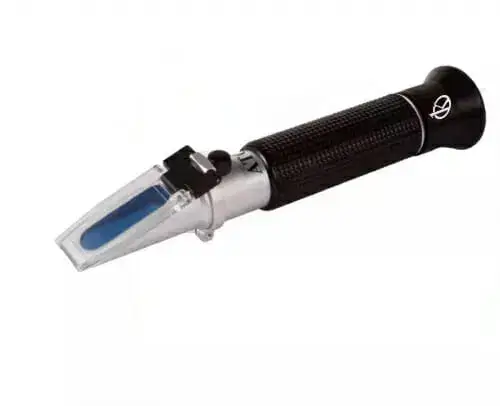
Honey Refractometers: Practical Applications and Techniques 2026
What is it used for in 2026
Honey refractometers are specialized instruments utilized in laboratories for measuring the sugar concentration in honey and other sugar-related liquids. In 2026, these devices play a crucial role in ensuring product quality and consistency in various applications, including:
- Monitoring sugar concentrations in food and beverages.
- Determining the maturity of fruits in agricultural practices.
- Quality control of honey post-harvest.
- Regulating sugar levels during processing and packaging.
- Providing critical data for food safety and quality assurance.
History and evolution of the technology
The evolution of refractometry dates back to the early 19th century when scientists began exploring light refraction properties. Initially used in mineralogy, refractometers have undergone significant advancements, allowing for precise measurements in food science. With technological advancements over the decades, honey refractometers have become vital for quality control in the food industry, enabling producers to monitor sugar content effectively and ensure honey meets market standards.
How to use it step by step
Using a honey refractometer involves a few simple steps:
- Calibration: Before use, ensure the refractometer is calibrated according to the manufacturer's instructions, usually using distilled water.
- Sample Preparation: Take a small sample of honey or the liquid to be tested and ensure it is at room temperature.
- Application: Place a few drops of the sample onto the prism of the refractometer.
- Measurement: Close the cover plate to spread the sample evenly and look through the eyepiece to read the scale.
- Record Results: Take note of the Brix percentage or other relevant readings for analysis or reporting.
Best techniques and protocols
For accurate measurements, follow these best techniques and protocols:
- Ensure the refractometer is clean and free from residue before taking measurements.
- Use fresh samples each time to avoid contamination.
- Take multiple readings and calculate an average for more reliable results.
- Store the device properly to prevent damage and maintain accuracy.
- Conduct regular calibration checks to ensure consistent performance.
Practical applications by laboratory type
Honey refractometers find applications across various laboratory types:
- Food Quality Laboratories: Used to assess sugar content in honey, jams, and syrups, ensuring compliance with regulations.
- Agricultural Laboratories: Used in fruit maturity testing and monitoring sugar levels in agricultural products.
- Research Laboratories: Utilized in studies related to food science and nutrition.
- Quality Control Laboratories: Employed in the food and beverage sector to maintain product quality and consistency.
Regulations, standards and certifications
In 2026, honey refractometers must comply with various food safety regulations, including:
- Food Safety Modernization Act (FSMA)
- Codex Alimentarius standards
- ISO standards for food testing
- Local health department regulations
Laboratories should ensure their equipment meets these standards to maintain certification and ensure consumer safety.
Comparison with alternative technologies
While honey refractometers are popular, alternatives like hydrometers and digital refractometers exist. Here's a brief comparison:
- Hydrometers: Less precise and not specifically designed for sugar measurements.
- Digital Refractometers: Offer higher accuracy and ease of use but may be more expensive than traditional models.
Professionals must evaluate their specific needs and budget when choosing between these technologies.
Comparison of available models
| Model | Best for | Key specs | Recommended use case |
|---|---|---|---|
| YR05885 | Measuring sugar concentrations in honey | 58-92% Brix, 38-43 Be’, 12-27% water | Quality control in honey production |
| YR05885-1 | Assessing sugar content in high sugar liquids | 58-92% Brix, 38-43 Be’, 12-27% water | Food manufacturing quality checks |
| YR05885-2 | Determining moisture content in honey | 58-92% Brix, 38-43 Be’, 12-27% water | Harvest quality assessments |
| YR05886 | Monitoring sugar levels in syrups and jellies | 10-30% water | Processing control in food production |
Common mistakes and how to avoid them
Some common mistakes when using honey refractometers include:
- Improper calibration: Regularly calibrate to maintain accuracy.
- Skipping sample temperature checks: Ensure samples are at room temperature for reliable readings.
- Forgetting to clean the prism: Residue can lead to inaccurate measurements.
Avoiding these mistakes will enhance measurement reliability and product quality.
Maintenance, calibration and good practices 2026
To ensure longevity and accuracy, follow these maintenance tips:
- Clean the prism with a soft cloth after each use.
- Store the refractometer in a protective case to prevent damage.
- Perform calibration checks before significant testing sessions.
- Keep the device away from extreme temperatures and humidity.
Cost-benefit analysis 2026
Investing in honey refractometers provides significant benefits, including:
- Increased accuracy in quality control processes.
- Reduction in product waste by ensuring compliance with sugar content standards.
- Improved customer satisfaction through consistent product quality.
- Potential cost savings by minimizing rework and spoilage.
Overall, the investment in quality refractometry equipment is justifiable by the benefits it brings to laboratory operations.
Frequently asked questions
What should I consider when choosing a honey refractometer?
Consider factors such as measurement range, ease of use, calibration methods, and budget when selecting a honey refractometer.
How often should I calibrate my honey refractometer?
Calibration should be performed before each testing session or at least once a week for frequent users to ensure accuracy.
Can I use a honey refractometer for other liquids?
Yes, honey refractometers can be used for other sugar-related liquids, but results may vary based on the liquid's properties.
What is the ideal temperature for taking measurements?
Measurements should be taken at room temperature for accurate results; extreme temperatures can affect readings.
How do I clean my honey refractometer?
Use a soft, lint-free cloth to clean the prism, avoiding harsh chemicals that could damage the device.
What are the signs my refractometer needs maintenance?
If you notice discrepancies in readings or difficulty in focusing, your refractometer may need servicing or calibration.
Where can I request a quote for a honey refractometer?
You can easily request a quote for a honey refractometer through our online platform for competitive pricing and options.
If you are looking for a fusion of innovation and quality, you have come to the right place. At Kalstein, we offer you the luxury of exploring our exclusive catalog of laboratory equipment. We manufacture every device to the highest standards of excellence. Our intuitive and seamless online purchasing channels are designed for your convenience, securing the most competitive prices. Hesitate no longer — we bring science to life, it is time to become part of our community.