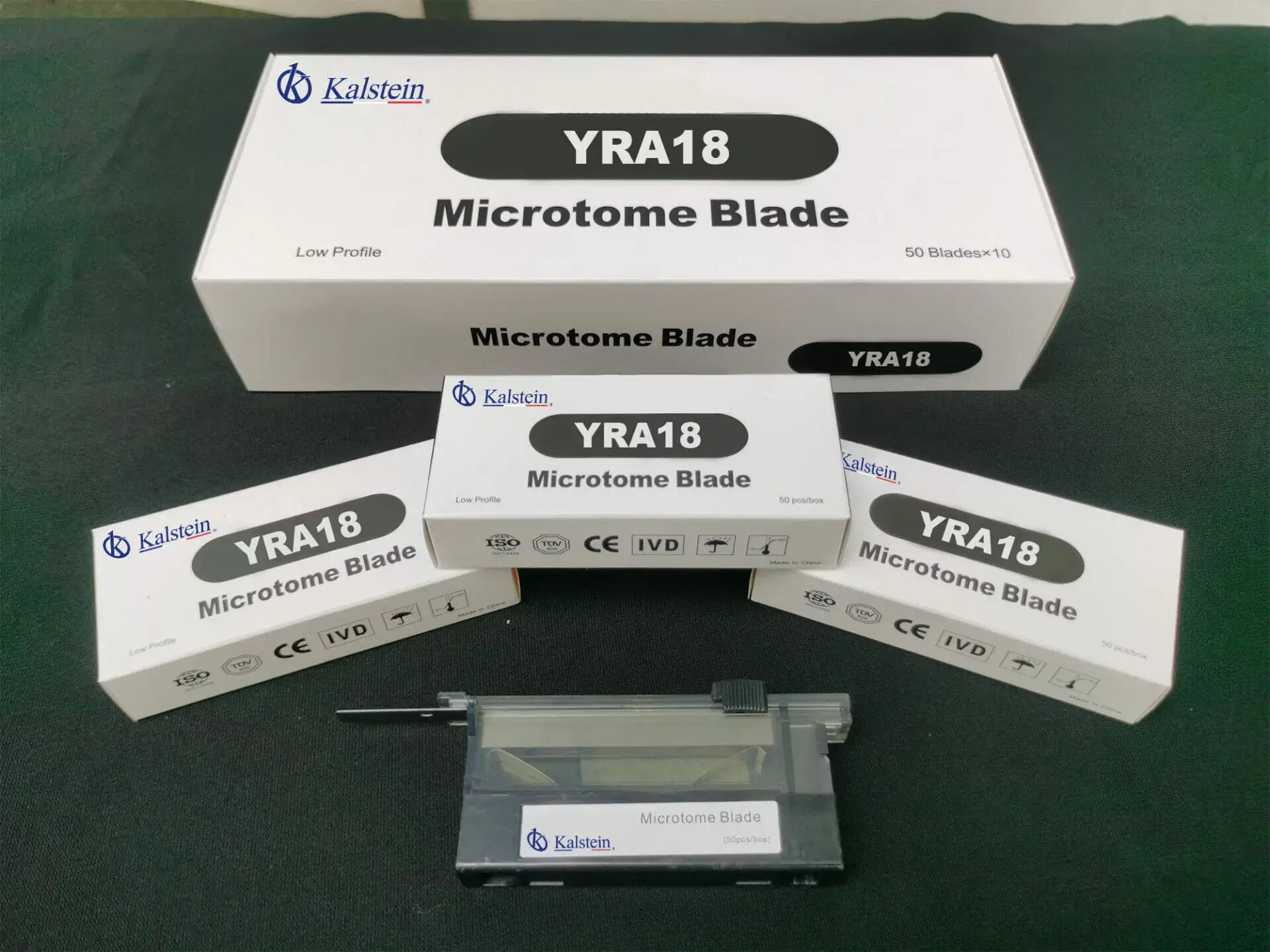
Histopathology Accessories And Consumables Package: Common Mistakes and How to Avoid Them in Daily Operations 2026
What is it used for in 2026
In 2026, histopathology accessories and consumables play a crucial role in the effective processing of tissue samples for pathological examination. They are essential for preparing, embedding, cutting, and staining tissue samples, ensuring accuracy in diagnosis. The use of high-quality consumables like microtome blades, embedding cassettes, and paraffin products significantly enhances the quality of histological slides, reducing errors and saving time in laboratory workflows.
History and evolution of the technology
The evolution of histopathology materials has seen significant advancements since their inception. Early tissue processing relied heavily on manual techniques and rudimentary tools. Over the years, the introduction of disposable microtome blades, specialized embedding cassettes, and advanced paraffin formulations has revolutionized the field, allowing for higher precision and efficiency. By 2026, innovations continue to focus on improving the usability and effectiveness of these tools, further enhancing diagnostic accuracy.
How to use it step by step
Using histopathology accessories and consumables involves several key steps:
- Sample Collection: Gather tissue samples using sterile techniques to prevent contamination.
- Fixation: Immerse samples in fixatives to preserve cellular structures.
- Embedding: Use embedding cassettes (like YRA20-1) to hold samples in paraffin for sectioning.
- Sectioning: Employ microtome blades (YRA18-1 and YRA19-1) to cut thin tissue sections.
- Staining: Apply histological stains for enhanced visualization of cellular structures.
- Analysis: Examine stained slides under a microscope for diagnostic evaluation.
Best techniques and protocols
Adopting best practices ensures optimal results in histopathological investigations. Techniques such as consistent sample fixation, proper blade handling, and meticulous embedding procedures are essential. Protocols should always be followed according to manufacturer guidelines and laboratory standards to minimize errors.
Practical applications by laboratory type
Different laboratory types utilize histopathology accessories and consumables uniquely:
- Clinical Laboratories: For routine tissue diagnosis and pathology reporting.
- Research Laboratories: To investigate disease mechanisms and test new therapies.
- Veterinary Laboratories: For the diagnosis of animal tissues and conditions.
Regulations, standards and certifications
Histopathology laboratories must adhere to regulations set by bodies like the FDA and CLIA. Compliance with ISO standards for laboratory practices and equipment must also be maintained to ensure quality and safety in diagnostic processes.
Comparison with alternative technologies
Alternative technologies such as digital pathology and automated tissue processing offer various benefits but may lack the tactile and visual advantages of traditional histopathology practices. Evaluating the pros and cons of these alternatives is essential for laboratories considering upgrades or changes in workflow.
Comparison of available models
| Model | Best for | Key specs | Recommended use case |
|---|---|---|---|
| YRA18-1 | Low profile microtome sections | 250 boxes, $10,000 | Ideal for slicing delicate tissue samples. |
| YRA19-1 | High profile microtome sections | 40 boxes, $1,600 | Best suited for harder samples requiring precision cuts. |
| YRA20-1 | Tissue embedding | 9000 pieces, $252 | Designed for embedding multiple samples efficiently. |
| YRA21-1 | Plastic cassettes | 4000 pieces, $144 | Used for a variety of tissue processing needs. |
| YRA33-2 | Paraffin blocks | 10kgs (20 boxes), $60 | Ideal for standard embedding processes. |
| YRA33-3 | Granular paraffin | 10 KG (10 bags), $60 | Used for embedding providing consistency in samples. |
Common mistakes and how to avoid them
Common mistakes in histopathology operations include:
- Contamination: Ensure sterile environments and tools to prevent sample contamination.
- Improper fixation: Use appropriate fixatives for specific tissues to maintain integrity.
- Incorrect sectioning: Use the right blade type for tissue consistency to avoid damage.
- Neglecting calibration: Regularly calibrate equipment to maintain accuracy and reliability.
Maintenance, calibration and good practices 2026
Regular maintenance schedules for equipment, including cleaning and calibration, are vital for ensuring optimal performance. Good practices include following manufacturer instructions, training staff on proper usage, and regularly assessing workflow efficiency.
Cost-benefit analysis 2026
Investing in high-quality histopathology accessories and consumables offers a significant return on investment through improved accuracy, reduced errors, and enhanced laboratory efficiency. The cost of consumables should be weighed against the potential for improved diagnostic outcomes and reduced labor costs.
Frequently asked questions
What are the best practices for using microtome blades?
Best practices include using the appropriate blade for the tissue type, ensuring proper blade alignment, and regularly checking for dullness to maintain section quality.
How do I select the right embedding cassette for my samples?
Choose an embedding cassette based on the size and type of tissue samples, ensuring it can accommodate the embedding medium effectively.
What is the importance of using high-quality paraffin?
High-quality paraffin ensures better tissue infiltration and maintains structural integrity during sectioning, leading to clearer histological slides.
How can I prevent contamination during sample processing?
To prevent contamination, always use sterile techniques, minimize exposure of samples to the environment, and regularly clean work surfaces and tools.
What are the signs that a microtome blade needs replacing?
Signs include difficulty in cutting, uneven sections, or visible wear on the blade edge.
How often should I calibrate my histopathology equipment?
Calibration should ideally be performed before each use or at regular intervals as recommended by the manufacturer to ensure accuracy.
What should I do if I experience issues with my histopathology consumables?
If issues arise, check for proper storage conditions, verify that you are using the correct protocols, and consult product manuals or manufacturer support for troubleshooting.
If you are looking for a fusion of innovation and quality, you have come to the right place. At Kalstein, we offer you the luxury of exploring our exclusive catalog of laboratory equipment. We manufacture every device to the highest standards of excellence. Our intuitive and seamless online purchasing channels are designed for your convenience, securing the most competitive prices. Hesitate no longer — we bring science to life, it is time to become part of our community.