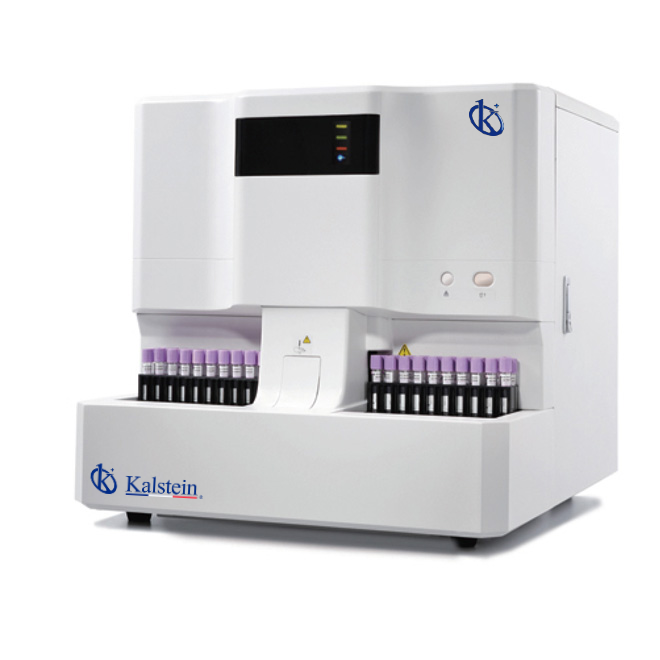
Hematology Analyzers: Practical Applications and Techniques 2026
What is it used for in 2026
In 2026, Hematology Analyzers play a crucial role in clinical and research laboratories. They are primarily used for the analysis of blood samples, providing vital information about blood components. These analyzers help in diagnosing various conditions, including anemia, infections, and blood disorders. The precise and rapid analysis made possible by these devices aids healthcare professionals in making informed decisions regarding patient treatment.
History and evolution of the technology
The evolution of Hematology Analyzers began in the early 20th century. Initially, blood analysis was performed manually using microscopes and glass slides. Over the decades, technological advancements introduced automated systems that improved accuracy and efficiency. The introduction of laser technology and advanced software algorithms in the 1990s revolutionized the field, allowing for more detailed analyses with higher throughput. Today, modern analyzers like the YR06080, YR05123, and others leverage cutting-edge technology to fulfill the demanding requirements of today’s laboratories.
How to use it step by step
Using a Hematology Analyzer involves several steps to ensure accurate results:
- Preparation: Ensure that the analyzer is calibrated and maintained according to the manufacturer's guidelines.
- Sample Collection: Collect blood samples using appropriate techniques. Ensure that samples are stored correctly prior to analysis.
- Loading Samples: Place the samples in the analyzer's designated area. Follow the specific instructions for the analyzer model being used.
- Running the Analysis: Select the appropriate analysis mode on the device's interface. Initiate the test and monitor progress if applicable.
- Results Interpretation: Once the analysis is complete, review the results displayed on the screen. Cross-reference with control samples as necessary.
- Documentation: Save and document the results following your laboratory's protocols for record-keeping.
Best techniques and protocols
To achieve optimal results with Hematology Analyzers, implementing best practices is crucial:
- Regular calibration of devices to maintain accuracy.
- Using controls and standards for quality assurance during tests.
- Ensuring proper sample handling to prevent contamination.
- Training personnel on the specific operation of the analyzer to reduce user error.
Practical applications by laboratory type
Hematology Analyzers find applications across various laboratory types:
Clinical Laboratories
In clinical settings, these analyzers provide rapid blood diagnostics, essential for patient care.
Research Laboratories
In research, they are used for studying blood-related diseases, genetic disorders, and drug effects on blood components.
Biotechnology Firms
Biotech companies utilize these devices for product testing and development, ensuring safety and efficacy in their products.
Regulations, standards and certifications
In 2026, Hematology Analyzers must comply with various regulations and standards, including:
- Clinical Laboratory Improvement Amendments (CLIA)
- ISO 13485 for Quality Management Systems
- FDA regulations for medical devices
- Local and international health regulations as applicable
Comparison with alternative technologies
Hematology Analyzers are often compared to older manual methods and emerging technologies such as point-of-care testing devices. Automated analyzers provide better accuracy and speed compared to manual methods, while point-of-care devices offer convenience but may lack the comprehensive analysis capabilities of traditional analyzers.
Comparison of available models
| Model | Best for | Key specs | Recommended use case |
|---|---|---|---|
| YR06080 | High-demand laboratories requiring comprehensive blood analysis. | 60 samples/hour, 28 parameters, integrated titanium incubation. | Large hospitals and research institutions. |
| YR05123 | High-throughput analysis with advanced accuracy. | 60 samples/hour, 3D topographic mapping. | Diagnostic labs needing precise WBC counts. |
| YR05122-1 | Comprehensive analysis with flexibility in testing modes. | 60 samples/hour, supports 5-part WBC differentiation. | Versatile lab environments. |
| YR05122 | Cost-effective solution for small to medium labs. | Up to 35 samples/hour, 23 parameters. | Local clinics or smaller diagnostic facilities. |
| YR05121 | Efficient for routine blood testing. | 35 samples/hour, 23 parameters, user-friendly interface. | Routine screenings in outpatient settings. |
| YR05120 | Ideal for budget-conscious labs needing reliability. | 35 samples/hour, 20 parameters. | Small labs with limited budgets. |
Common mistakes and how to avoid them
Laboratories can face several challenges when using Hematology Analyzers:
- Inadequate calibration: Ensure regular calibration of devices.
- Poor sample handling: Train staff on proper techniques to avoid contamination.
- Ignoring maintenance schedules: Follow the maintenance protocol to avoid breakdowns.
- Misinterpreting results: Ensure that results are cross-checked with clinical findings for accuracy.
Maintenance, calibration and good practices 2026
Maintenance and calibration are vital for the accuracy of Hematology Analyzers:
- Regularly scheduled calibrations as per manufacturer guidelines.
- Daily checks of critical components to ensure functionality.
- Cleaning of sample areas to prevent cross-contamination.
- Logging all maintenance activities to track device history.
Cost-benefit analysis 2026
Investing in Hematology Analyzers has numerous benefits including:
- Higher throughput leading to increased productivity.
- Improved accuracy reducing the need for retests.
- Cost savings in the long term due to fewer human errors.
While the initial investment may be significant, the long-term savings and improved patient outcomes justify the cost.
Frequently asked questions
What should I consider when choosing a Hematology Analyzer?
When selecting a Hematology Analyzer, consider factors such as the volume of samples processed, required parameters, budget, and space availability in the lab.
How often should I calibrate my Hematology Analyzer?
Calibration frequency depends on usage; however, it is recommended to calibrate at least once a month or after major maintenance or repairs.
Can I use different sample types with Hematology Analyzers?
Most Hematology Analyzers can handle various sample types, including venous, capillary, and pre-diluted samples. Always refer to the manufacturer's guidelines for specifics.
What are the common troubleshooting steps for Hematology Analyzers?
Common troubleshooting steps include checking connections, ensuring proper calibration, and reviewing error codes displayed on the interface. Always refer to the manual for detailed instructions.
Are there any training resources available for using Hematology Analyzers?
Yes, manufacturers often provide training materials, manuals, and tutorials. Additionally, many offer on-site training sessions for laboratory staff.
How can I ensure accurate results from my Hematology Analyzer?
To ensure accuracy, maintain regular calibration, use fresh reagents, follow proper sample handling techniques, and train staff effectively.
Where can I request a quote for Hematology Analyzers?
For quotes, you can reach out to suppliers directly or use online platforms designed for laboratory equipment procurement, like Kalstein Plus.
If you are looking for a fusion of innovation and quality, you have come to the right place. At Kalstein, we offer you the luxury of exploring our exclusive catalog of laboratory equipment. We manufacture every device to the highest standards of excellence. Our intuitive and seamless online purchasing channels are designed for your convenience, securing the most competitive prices. Hesitate no longer — we bring science to life, it is time to become part of our community.