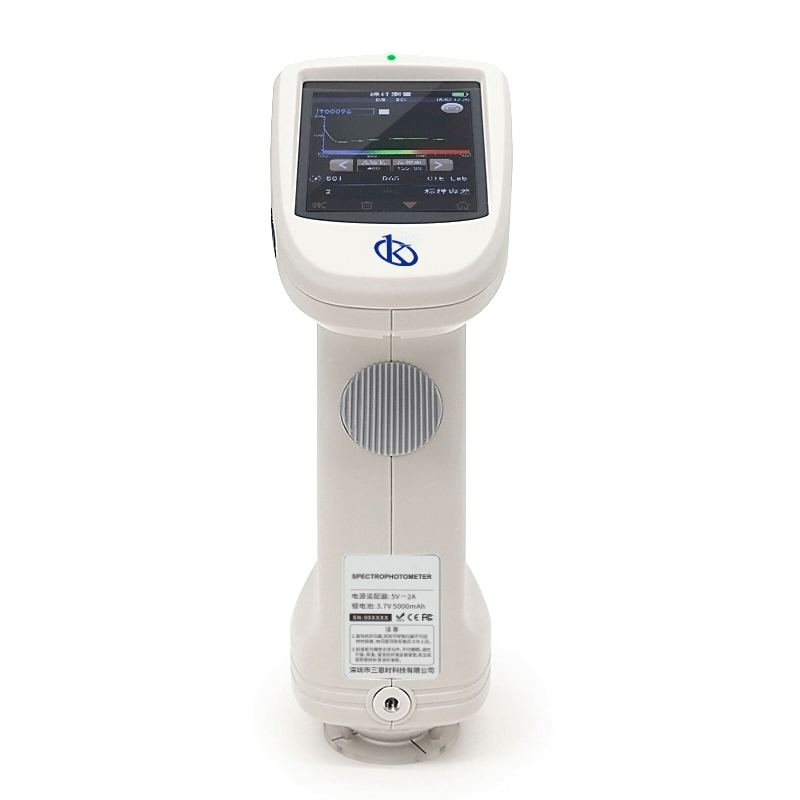
Handheld Spectrophotometers: Practical Applications and Techniques 2026
What is it used for in 2026
Handheld spectrophotometers are essential instruments in laboratories for color measurement and quality control across various industries. In 2026, these devices are used to assess color consistency in manufacturing processes, ensure compliance with quality standards, and facilitate research and development in fields ranging from textiles to automotive and pharmaceuticals. Their portability allows for on-site testing, making them versatile tools for professionals in different sectors.
History and evolution of the technology
The evolution of handheld spectrophotometers began with the development of traditional spectrophotometers in the late 19th century. Early models were bulky and limited in functionality. With advancements in technology, the introduction of portable versions in the late 20th century revolutionized color measurement. These modern devices have seen improvements in precision, user interface, and integration with software, enabling easier data analysis and reporting. By 2026, handheld spectrophotometers have become more user-friendly and equipped with advanced features such as connectivity with PCs for enhanced functionality.
How to use it step by step
Using a handheld spectrophotometer involves several steps to ensure accurate measurements:
- Prepare the Sample: Ensure the sample surface is clean and dry. If measuring liquids, use a cuvette appropriate for the device.
- Calibrate the Device: Follow the manufacturer's instructions to perform a calibration with a standard reference material.
- Select Measurement Mode: Choose the appropriate mode based on the type of measurement needed (e.g., reflectance or transmittance).
- Take Measurements: Position the spectrophotometer over the sample, ensuring consistent contact and angle. Press the measurement button.
- Record Data: Save the results, and if necessary, transfer the data to a computer or software for further analysis.
- Clean the Device: After use, clean the measuring area to maintain accuracy for future measurements.
Best techniques and protocols
To achieve optimal results when using handheld spectrophotometers, consider the following techniques and protocols:
- Always calibrate with the same standard before each series of measurements.
- Ensure consistent lighting conditions when taking measurements to avoid variance caused by environmental factors.
- Use appropriate sample holders or cuvettes to enhance measurement accuracy.
- Document procedures and conditions for each measurement session for reproducibility.
- Regularly maintain and service the device as recommended by the manufacturer.
Practical applications by laboratory type
Handheld spectrophotometers are widely used in various laboratory environments:
- Textile Laboratories: Used for color matching and ensuring dye consistency in fabrics.
- Food and Beverage Quality Control: Employed to analyze the color of products and maintain quality standards.
- Cosmetic Industry: Utilized for color formulation and quality assurance of cosmetic products.
- Pharmaceutical Laboratories: Used for analyzing medication color and ensuring product uniformity.
- Paint and Coatings: Essential for color matching and quality checks in paint formulations.
Regulations, standards and certifications
In 2026, the use of handheld spectrophotometers is governed by several standards and regulations to ensure accuracy and reliability in measurements. Some key standards include:
- CIE No.15: Setting the standard for color measurement.
- ISO 7724-1: Guidelines for color measurement methods and instruments.
- ASTM E1164: Standard guide for the determination of color by spectrophotometry.
- GB/T 18833: National standard for color measurement in China.
Comparison with alternative technologies
Handheld spectrophotometers offer several advantages over alternative technologies such as colorimeters and traditional benchtop spectrophotometers:
- Portability: Handheld units can be used in various locations, whereas benchtop units are stationary.
- Speed: Handheld devices typically provide quicker measurements compared to laboratory-based alternatives.
- Ease of Use: Many handheld models are designed for simplicity, making them user-friendly for professionals without extensive training.
Comparison of available models
| Model | Best for | Key specs | Recommended use case |
|---|---|---|---|
| YR05493 | Color measurement in textiles and automotive industries | Price: $4254.00 | Use for precise color control and quality assurance. |
| YR05494 | Color consistency in paint and printing | Price: $3180.00 | Ideal for measuring colors in coatings and textile dyeing. |
| YR05495 | Quality control in plastics and ceramics | Price: $2250.00 | Perfect for manufacturers requiring accurate color measurements. |
| YR05496 | Color management in food and beverage | Price: $1670.00 | Useful for ensuring product color uniformity and quality. |
| YR05499 | Quality assurance in cosmetics | Price: $1670.00 | Effective in testing color formulations in cosmetic products. |
| YR05498 | Color measurement in laboratory research | Price: $1670.00 | Applicable for research needing precise color analysis. |
Common mistakes and how to avoid them
When using handheld spectrophotometers, users may encounter common pitfalls. Here are mistakes to avoid:
- Insufficient Calibration: Always calibrate the device before use to ensure accurate results.
- Ignoring Ambient Conditions: Measure samples in consistent lighting to avoid skewed results.
- Neglecting to Clean Equipment: Regularly clean the measurement area to maintain accuracy.
- Improper Sample Preparation: Ensure samples are prepared correctly to achieve reliable readings.
Maintenance, calibration and good practices 2026
Maintaining handheld spectrophotometers in 2026 involves:
- Regularly calibrating the device with standard materials.
- Cleaning optical components after each use to prevent contamination.
- Storing the device in a protective case to avoid physical damage.
- Updating software and firmware as recommended by the manufacturer.
Cost-benefit analysis 2026
The investment in a handheld spectrophotometer can yield substantial returns in terms of accuracy and efficiency. The cost of high-quality models ranges from $1,670 to $4,254. When evaluating the cost against the potential for reducing errors in quality control, improving product consistency, and decreasing waste, the benefits far outweigh the initial investment. Automation of color measurement processes also leads to time savings and enhanced productivity in laboratories.
Frequently asked questions
What is the best handheld spectrophotometer for color matching in textiles?
The YR05493 and YR05494 models are highly recommended for color matching in textiles, as they provide precise color measurements and are designed for quality assurance in fabric production.
How often should I calibrate my handheld spectrophotometer?
Calibration should be performed before each measurement session and anytime there is a significant change in temperature or humidity, or if the device has been dropped or mishandled.
Can handheld spectrophotometers be used for liquid samples?
Yes, most models can measure liquids using appropriate cuvettes designed for the specific spectrophotometer.
What are the main factors affecting measurement accuracy?
Measurement accuracy can be affected by ambient lighting, sample surface condition, and calibration status. It's essential to control these variables for reliable results.
Are there specific cleaning methods for spectrophotometers?
Yes, optical surfaces should be cleaned with lint-free cloths and appropriate cleaning solutions to avoid scratches and residue that can affect measurements.
What software options are available for data analysis from handheld spectrophotometers?
Many handheld spectrophotometers come with proprietary software that allows users to analyze and report data efficiently. It's advisable to use the software recommended by the manufacturer.
Where can I request a quote for handheld spectrophotometers?
You can request a quote for handheld spectrophotometers by visiting the Kalstein website or contacting their sales team directly for personalized assistance.
If you are looking for a fusion of innovation and quality, you have come to the right place. At Kalstein, we offer you the luxury of exploring our exclusive catalog of laboratory equipment. We manufacture every device to the highest standards of excellence. Our intuitive and seamless online purchasing channels are designed for your convenience, securing the most competitive prices. Hesitate no longer — we bring science to life, it is time to become part of our community.