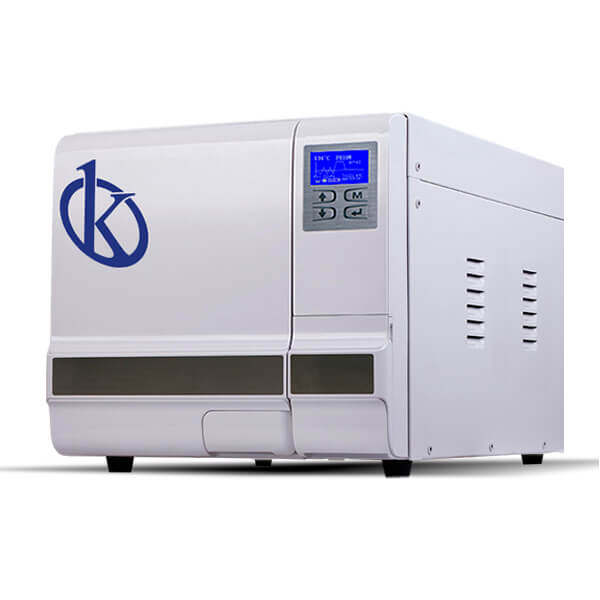
Ensuring ISO/IEC Compliance in Laboratory Processes with Horizontal Autoclaves
In the rigorous landscape of laboratory operations, compliance with ISO/IEC standards is critical. Laboratories must ensure that their sterilization processes not only meet these standards but are also efficient and reliable. Horizontal autoclaves serve as invaluable tools in this context, particularly for facilities that handle various biological materials. This article examines the role of horizontal autoclaves in maintaining compliance with key ISO/IEC regulations, providing insights into specific models, their features, and best practices for laboratory professionals.
Understanding Key ISO/IEC Standards for Laboratory Equipment
ISO/IEC 17025 sets out the general requirements for the competence of testing and calibration laboratories. Among its many aspects, it emphasizes the need for appropriate equipment, consistent quality control, and traceability of measurements. Horizontal autoclaves, such as the Class B Table Autoclave YR03387 and YR03388, offer advanced features that ensure compliance with these rigorous criteria. These autoclaves are suitable for small businesses including tattoo salons, veterinary clinics, and beauty parlors, thus addressing a wide range of applications in compliance.
Benefits of Using Horizontal Autoclaves for Compliance
The utilization of horizontal autoclaves provides multiple benefits for laboratories striving to meet ISO/IEC standards. Firstly, these devices offer a compact solution, essential for small spaces while maintaining high-performance levels. For instance, the Class B Table Autoclave YR03390 is equipped with pre-programmed sterilization cycles that ensure consistent results. This consistency is a vital factor in achieving compliance, as variations in process can lead to non-compliance.
Detailed Review of Horizontal Autoclave Models
When selecting an autoclave, laboratories must consider several factors, including chamber size, control methods, and features that ensure compliance. The following models exemplify the range of options available:
| Model | Chamber Volume | Power (W) | Best Use |
|---|---|---|---|
| YR03387 | 8 L | 1750 | Small labs and tattoo studios |
| YR03388 | 12 L | 1750 | Beauty salons and vet clinics |
| YR03389 | 18 L | 1750 | General laboratory use |
| YR03390 | 23 L | 1750 | Medium-sized labs |
| YR03385C | 29 L | 2300 | High-demand environments |
| YR03385B | 45 L | 3800 | Large labs |
Common Mistakes and How to Avoid Them
Laboratory professionals often encounter pitfalls when integrating autoclaves into their processes. One common mistake is neglecting regular maintenance, which is essential for compliance with ISO/IEC 17025. Additionally, failing to calibrate the autoclave can lead to inconsistent sterilization cycles. To avoid these issues, set a clear maintenance schedule and ensure personnel are trained in equipment operation.
Comparison of Available Models
| Model | ISO/IEC Clauses Covered | Traceability Features | Best For |
|---|---|---|---|
| YR03387 | ISO 17025 | Real-time monitoring | Small labs |
| YR03388 | ISO 17025 | Data logging | Beauty salons |
| YR03389 | ISO 17025 | Traceable calibration | Veterinary clinics |
| YR03390 | ISO 17025 | Traceability protocols | Medium labs |
| YR03385C | ISO 17025 | Advanced monitoring | High-demand settings |
| YR03385B | ISO 17025 | Full traceability | Large laboratories |
Best Practices for Maintaining ISO/IEC Compliance
Adopting best practices in operating horizontal autoclaves can significantly impact compliance levels. Regular training sessions for staff on sterilization protocols and equipment handling are essential. Moreover, maintaining an audit trail through detailed documentation of each sterilization cycle contributes to meeting ISO 17025 requirements. Regularly updating maintenance logs and calibration records for models like the Class B Table Autoclave YR03389 ensures ongoing compliance.
Frequently Asked Questions
How do horizontal autoclaves help comply with ISO 17025 regulations?
Horizontal autoclaves like YR03385B are designed to meet ISO 17025 standards through features like real-time monitoring and traceable calibration. These features ensure consistent sterilization and proper documentation, which are critical for compliance.
What features should I look for in an autoclave for regulatory compliance?
When selecting a horizontal autoclave, consider models like YR03388 that offer data logging and traceability features. These ensure that your sterilization processes can be documented and audited in line with ISO/IEC standards.
Which horizontal autoclave is best for small labs focused on ISO compliance?
The Class B Table Autoclave YR03387 is ideal for small labs needing to meet ISO compliance. Its 8-liter chamber is efficient for low-volume needs, while its automatic cycles ensure consistent results necessary for compliance.
How can I ensure the accuracy of my autoclave in line with ISO 17025?
For maintaining accuracy, scheduling regular calibrations and maintenance for models such as YR03390 is essential. This practice ensures that the sterilization conditions meet the necessary standards outlined in ISO 17025.
Is there a specific maintenance schedule for horizontal autoclaves to meet compliance?
Yes, it's recommended to follow a maintenance schedule that includes daily checks for models like YR03385C and monthly servicing. This routine is essential to ensure compliance with ISO regulations and consistent performance.
What are the common challenges faced in achieving compliance with horizontal autoclaves?
Challenges often include maintaining proper records and calibrating devices accurately. Utilizing models like YR03389 with built-in data logs can simplify record-keeping and help meet ISO 17025 requirements.
Can I integrate my autoclave data with a LIMS for better compliance tracking?
Yes, many models, including YR03388, come with connectivity options that allow integration with Laboratory Information Management Systems (LIMS). This integration enhances compliance tracking and data management.
What is the cost implication of using ISO compliant horizontal autoclaves?
The investment in compliant models such as YR03385B may vary, but the long-term savings in terms of reduced errors and rework can justify the initial costs. A detailed ROI analysis is advisable.
If you are looking for a fusion of innovation and quality, you have come to the right place. At Kalstein, we offer you the luxury of exploring our exclusive catalog of laboratory equipment. We manufacture every device to the highest standards of excellence. Our intuitive and seamless online purchasing channels are designed for your convenience, securing the most competitive prices. Hesitate no longer — we bring science to life, it is time to become part of our community.