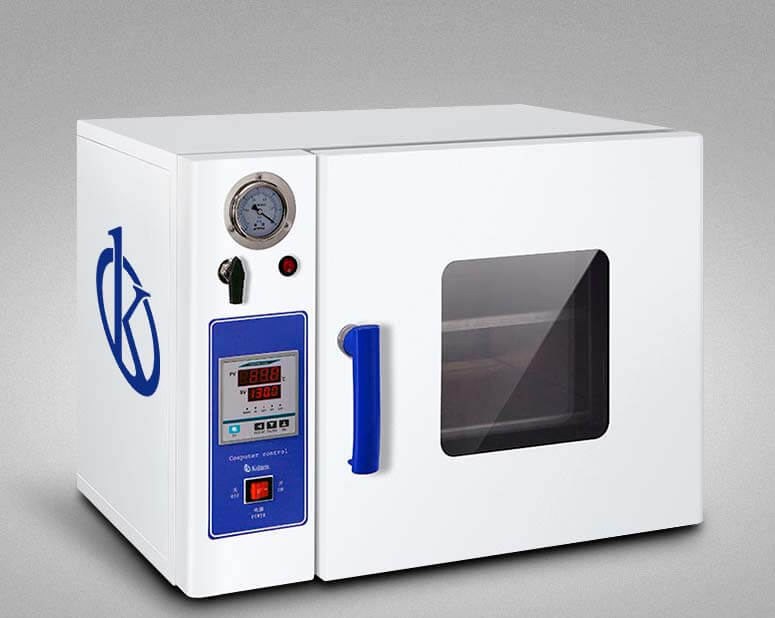
Evaluating Return on Investment and Cost-Benefit Analysis for Vacuum Ovens
In the world of laboratory equipment, vacuum ovens play a critical role in various applications ranging from pharmaceuticals to environmental research. This article aims to provide laboratory professionals with a comprehensive understanding of how to evaluate the return on investment (ROI) and conduct a cost-benefit analysis when considering vacuum ovens for their operations. By the end, you will gain insights into different models, their applications, and how to make informed investment decisions.
Understanding Vacuum Ovens and Their Applications
Vacuum ovens are essential tools that utilize reduced pressure to enhance the drying and sterilization processes. They find applications in areas such as biochemistry, pharmaceuticals, and environmental research, facilitating the drying of heat-sensitive materials and decontaminating glassware. Understanding the benefits and productivity improvements offered by these ovens is crucial when analyzing potential investments.
Cost-Benefit Analysis Framework
A cost-benefit analysis (CBA) is a systematic approach to estimating the strengths and weaknesses of alternatives. This section will focus on the framework applicable to vacuum ovens.
The major components of the CBA include:
- Initial Costs (CAPEX)
- Operating Costs (OPEX)
- Expected Lifespan
- Performance Metrics
By quantifying these components, you can effectively compare models and make informed decisions.
Evaluating ROI on Vacuum Ovens
ROI is a crucial metric for laboratory professionals when investing in new equipment. In this section, we will evaluate the ROI associated with different models of vacuum ovens, taking into account the costs and projected benefits over time.
Key Metrics for ROI Calculation
To calculate ROI, consider the following metrics:
- Initial Purchase Cost
- Operational Efficiency
- Reduction in Labor Costs
- Increased Product Yield
- Warranty and Maintenance Costs
Comparison of Available Models
| Model | Initial Cost (USD) | Operating Cost (Annual) | Expected Lifespan (Years) | Best For |
|---|---|---|---|---|
| YR05260-A | 330.00 | 100.00 | 5 | Heat-sensitive samples |
| YR05261-A | 460.00 | 120.00 | 5 | Pharmaceutical applications |
| YR05262-SS | 400.00 | 115.00 | 5 | Research laboratories |
| YR05263-SS | 590.00 | 150.00 | 5 | Complex materials |
| YR05264-A | 690.00 | 160.00 | 5 | Environmental analysis |
| YR05265-SS | 845.00 | 180.00 | 5 | General laboratory use |
Common Mistakes and How to Avoid Them
When assessing ROI and performing a cost-benefit analysis, laboratories often fall into several pitfalls. Here are some common mistakes and tips to avoid them:
- Neglecting hidden costs: Always account for maintenance and operational costs beyond the initial purchase.
- Ignoring lifespan: Understand the expected lifespan of the vacuum oven to calculate depreciation accurately.
- Overlooking utility costs: Consider energy consumption in your OPEX calculations.
Frequently Asked Questions
What is the expected ROI for vacuum ovens in laboratory settings?
The expected ROI for vacuum ovens like the YR05260-A can vary, but labs typically see a payback period of less than 2 years when accounting for cost efficiencies gained in drying processes.
How can I evaluate the cost-effectiveness of different vacuum ovens?
To evaluate cost-effectiveness, analyze both initial costs and ongoing operating expenses. For example, the YR05261-A has a lower initial price than others yet offers similar functionalities.
What factors should I consider when choosing a vacuum oven?
Consider the intended application, cost, and energy efficiency. Models like the YR05262-SS are particularly suitable for research laboratories due to their balance of features and price.
How important is the energy consumption of vacuum ovens?
Energy consumption is vital, as it affects OPEX. For example, the YR05263-SS has slightly higher operational costs due to its energy consumption profile, influencing total cost over time.
What models are best suited for pharmaceutical applications?
The YR05261-A is well-suited for pharmaceutical applications due to its temperature accuracy and operational reliability, crucial for maintaining sample integrity.
How often should vacuum ovens be maintained for optimal performance?
Regular maintenance should occur at least biannually to ensure optimal performance and longevity, especially for models with advanced features like the YR05264-A.
What impact does laboratory size have on vacuum oven selection?
Laboratory size influences the choice of vacuum oven. Smaller labs may benefit from compact models like the YR05260-A, while larger labs may need high-capacity models like the YR05265-SS.
How does the choice of materials in vacuum ovens affect their performance?
The materials used in vacuum ovens, such as stainless steel in models like the YR05262-SS, impact durability and the ability to maintain vacuum integrity.
If you are looking for a fusion of innovation and quality, you have come to the right place. At Kalstein, we offer you the luxury of exploring our exclusive catalog of laboratory equipment. We manufacture every device to the highest standards of excellence. Our intuitive and seamless online purchasing channels are designed for your convenience, securing the most competitive prices. Hesitate no longer — we bring science to life, it is time to become part of our community.