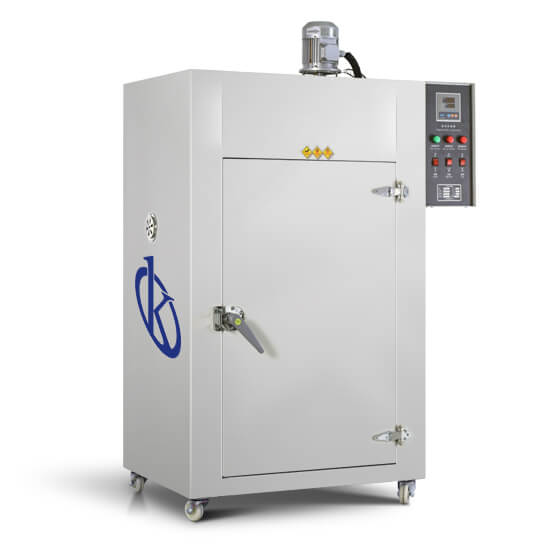
Understanding Biosafety Protocols and Safe Operator Handling for Industrial Ovens
In the realm of laboratory and industrial operations, the implementation of effective biosafety protocols is paramount. This ensures the safety of operators and the integrity of the processes involving industrial ovens. As organizations strive for compliance with safety standards, understanding the operational intricacies of industrial ovens becomes crucial. This article explores essential biosafety protocols and safe handling practices for various models of industrial ovens, providing insights that laboratory professionals need for optimum operational safety.
Key Biosafety Protocols for Industrial Ovens
Biosafety protocols refer to the measures taken to protect laboratory workers, the environment, and the community from exposure to hazardous biological agents. In the context of industrial ovens, these protocols include proper ventilation, waste management, and personal protective equipment (PPE) usage. Operators must be trained to handle equipment safely and manage any potential hazards that arise during operation.
Personal Protective Equipment (PPE)
Using adequate PPE is a fundamental practice to safeguard operators when handling industrial ovens. This includes gloves, goggles, face shields, and lab coats to prevent exposure to hazardous materials. Operators should wear heat-resistant gloves when adjusting or cleaning the ovens, particularly when using models such as the Electric Heating Drying Stove YR05256 (A) and YR05257-1 (A), which operate at high temperatures.
Ventilation Systems
Proper ventilation is critical in reducing the risks associated with fumes and heat generated by industrial ovens. Ensuring that the workspace is well-ventilated can mitigate the exposure to harmful vapors potentially emitted during operation. Models like the Electric Heating Drying Stove YR05258 (SS) are designed with efficient heat distribution systems, but operators must still ensure that adequate external ventilation is in place.
Common Hazards Associated with Industrial Ovens
Understanding the potential hazards associated with the operation of industrial ovens is crucial for maintaining safety protocols. Common hazards include burns from hot surfaces, inhalation of toxic fumes, and equipment malfunction. Training operators to recognize these hazards plays a vital role in ensuring workplace safety.
Burn Hazards
Burns from hot surfaces are a significant risk when operating industrial ovens. Models such as YR05259-1 (SS) have insulated surfaces to minimize heat loss and prevent accidental burns. Operators should be trained to handle all components of the equipment carefully, and caution should be exercised when opening oven doors.
Inhalation Risks
Inhalation of toxic fumes can occur if materials are improperly managed during the drying process. Operators should be aware of the materials being processed and ensure that they understand the correct handling procedures. For example, the Electric Heating Drying Stove YR05256 (A) could emit fumes if substances are overheated, necessitating attention to temperature settings and ventilation.
Comparison of Available Models
| Model | Temperature Range (℃) | Capacity (Liters) | Power (kW) | Best Use |
|---|---|---|---|---|
| YR05256-A | RT+5~250 | 300 | 4-6 | Industrial drying and dehydration |
| YR05257-1-A | RT+5~250 | 864 | 8-12 | Batch production in workshops |
| YR05258-SS | RT+5~250 | 300 | 4-6 | Galvanizing and electronic industry |
| YR05259-1-SS | RT+5~250 | 864 | 8-12 | Heavy-duty industrial drying |
Common Mistakes and How to Avoid Them
Ensuring safety in the use of industrial ovens involves avoiding common pitfalls that can lead to accidents or breaches of safety protocols. Some frequent mistakes include inadequate training, neglecting maintenance routines, and improper PPE usage. Here’s how to avoid these mistakes:
Lack of Proper Training
Operators must receive comprehensive training on using industrial ovens, including understanding the specific protocols for each model, such as the YR05257-1 (A) and YR05259-1 (SS). Regular refresher courses can help keep safety practices top of mind.
Neglecting Maintenance
Regular maintenance is essential to ensure that ovens operate safely and efficiently. Operators should adhere to preventive maintenance schedules, including checking seals and electrical systems, particularly for models like the YR05256 (A) that require reliable functionality during long operation periods.
Frequently Asked Questions
What biosafety protocols should be considered when using industrial ovens?
When using industrial ovens like the YR05258 (SS), it is essential to implement biosafety protocols including proper ventilation, PPE usage, and training on handling hazards. Regular check-ups can further enhance safety measures.
How can operators reduce hazards related to industrial ovens?
Operators can reduce hazards by wearing appropriate PPE, maintaining proper ventilation, and following the manufacturer's safety guidelines for models like YR05257-1 (A). Safety training is critical in minimizing risks associated with high-temperature operations.
Which industrial oven model is best for safe operation in industrial settings?
The Electric Heating Drying Stove YR05257-1 (A) is ideal for industrial settings due to its dual-layer door and intelligent temperature control, enhancing safety and efficiency while handling various substances.
What are the benefits of implementing safety training for industrial oven operation?
Implementing safety training enhances operator awareness of potential hazards and proper use of equipment like the YR05256 (A). It fosters a culture of safety and reduces the likelihood of accidents in the workplace.
How often should industrial ovens undergo maintenance checks?
Industrial ovens, such as the YR05259-1 (SS), should undergo maintenance checks at least every six months. This schedule helps to ensure safe operation and prolongs the equipment's lifespan by addressing potential issues proactively.
What should be included in the biosafety training for industrial oven operators?
Biosafety training for operators should include PPE usage, emergency procedures, and specific protocols for models like YR05258 (SS) to handle hazardous materials safely, ensuring a thorough understanding of operational risks.
How can ventilation systems improve safety during industrial oven operations?
Ventilation systems improve safety by ensuring adequate airflow, reducing the risk of inhaling harmful fumes generated during the operation of industrial ovens, particularly for models like YR05256 (A) that operate at high temperatures.
What role does PPE play in the safe operation of industrial ovens?
PPE is crucial in protecting operators from burns and exposure to hazardous materials when using industrial ovens like YR05257-1 (A). Proper use of gloves, goggles, and heat-resistant clothing minimizes risk and enhances safety.
If you are looking for a fusion of innovation and quality, you have come to the right place. At Kalstein, we offer you the luxury of exploring our exclusive catalog of laboratory equipment. We manufacture every device to the highest standards of excellence. Our intuitive and seamless online purchasing channels are designed for your convenience, securing the most competitive prices. Hesitate no longer — we bring science to life, it is time to become part of our community.