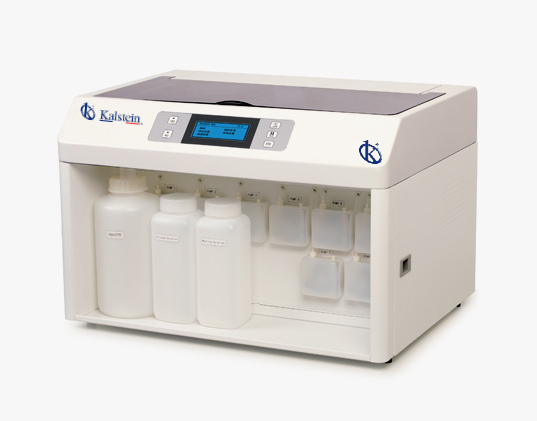
Food Safety Analyzers: Practical Applications and Techniques 2026
Food safety analyzers play a crucial role in ensuring the safety and quality of food products. As laboratories seek to enhance their testing capabilities in response to increasing regulatory demands and consumer expectations, understanding how to effectively use these analyzers becomes imperative. In 2026, the applications of food safety analyzers in research, biotechnology, and academia continue to evolve, highlighting their significance in various laboratory workflows.
What is it used for in 2026
In 2026, food safety analyzers are primarily utilized for a wide range of applications, including detecting contaminants, ensuring compliance with safety regulations, and conducting quality control tests. These devices streamline the identification of harmful substances such as pesticides, antibiotic residues, and organic pollutants in food products. They are essential for laboratories focused on food safety testing, biotechnology research, and academic studies, providing reliable and efficient testing solutions.
History and evolution of the technology
The evolution of food safety analyzers has been driven by advancements in technology and a growing awareness of food safety issues. Initially, manual testing methods were labor-intensive and time-consuming. However, with the advent of automated systems and sophisticated detection technologies, food safety analyzers have transformed the landscape of food testing. The introduction of high-throughput analyzers in the last decade has significantly improved the speed and accuracy of testing, allowing laboratories to handle larger volumes of samples efficiently.
How to use it step by step
Using food safety analyzers involves several key steps, ensuring accurate results and efficient workflows:
- Preparation: Gather all necessary materials, including samples, reagents, and calibration standards. Ensure that the analyzer is clean and properly calibrated.
- Sample Introduction: Place the food sample into the analyzer according to the manufacturer's instructions. This may involve using specific sample containers or microplates.
- Setting Parameters: Configure the analyzer settings, including wavelengths, incubation times, and detection limits based on the type of analysis being performed.
- Running Tests: Initiate the testing process and monitor the analyzer for any alerts or errors during operation.
- Data Analysis: Once the tests are complete, retrieve and analyze the data using the accompanying software, making note of any deviations from acceptable limits.
- Documentation: Maintain proper documentation of test results, calibrations, and maintenance checks for compliance and quality assurance.
Best techniques and protocols
Implementing best practices and standardized protocols is essential for achieving reliable results with food safety analyzers. Key techniques include:
- Validation: Regularly validate the performance of the analyzer against known standards to ensure accuracy and precision.
- Calibration: Perform routine calibrations using certified reference materials to maintain measurement integrity.
- Quality Control: Implement robust quality control procedures, including running control samples alongside test samples to monitor analytical performance.
- Documentation: Keep thorough records of all testing processes, results, and any corrective actions taken to ensure traceability and accountability.
Practical applications by laboratory type
Food safety analyzers find diverse applications across different types of laboratories:
- Food Testing Laboratories: Primarily focus on detecting contaminants and ensuring compliance with safety standards.
- Biotechnology Research Facilities: Use these analyzers for studying food safety and developing new testing methods for emerging pathogens.
- Academic Institutions: Employ food safety analyzers in research projects and educational programs to train students in food safety practices.
Regulations, standards and certifications
Adhering to relevant regulations and standards is critical for laboratories using food safety analyzers. Compliance with ISO standards and local food safety regulations ensures that testing processes meet the required quality benchmarks. Certification bodies often provide guidelines for maintaining compliance, and laboratories must stay updated on any changes in legislation affecting food safety testing.
Comparison with alternative technologies
Food safety analyzers are often compared to traditional testing methods and alternative technologies. Automated analyzers provide significant advantages in speed and accuracy over manual methods. Additionally, they often integrate advanced data analysis capabilities, allowing for more efficient data interpretation. While alternative technologies, such as PCR and mass spectrometry, may offer different benefits, food safety analyzers remain a preferred choice for routine testing due to their ease of use and reliability.
Comparison of available models
| Model | Best for | Key specs | Recommended use case |
|---|---|---|---|
| YR06090 | High throughput immunology testing | Up to 40 strips per run, 6-channel dispenser | Laboratories with high sample volumes |
| YR06089 | Food safety detection | Range 0-4500 Abs, 96 assays, halogen light source | Detection of pesticide residues |
| YR06093 | Incubation and shaking | Temperature range 25-60°C, 250-1200 rpm | Microplate assays requiring incubation |
Common mistakes and how to avoid them
To optimize the use of food safety analyzers, laboratories should avoid common mistakes:
- Neglecting Calibration: Regularly calibrate the analyzer to prevent drift in measurements, which can lead to incorrect results.
- Improper Sample Handling: Ensure that samples are handled and prepared according to protocols to avoid contamination or degradation.
- Inadequate Training: Provide comprehensive training for all personnel on the use of analyzers to minimize operational errors.
Maintenance, calibration and good practices 2026
Maintaining food safety analyzers is essential for ensuring their longevity and performance. Regular maintenance schedules should include:
- Daily Cleaning: Clean the analyzer's surfaces and components to prevent contamination.
- Periodic Calibration: Follow a strict calibration schedule to ensure accuracy in measurements.
- Software Updates: Keep the analyzer's software updated to benefit from the latest features and improvements.
Cost-benefit analysis 2026
Investing in food safety analyzers requires a careful cost-benefit analysis. While the initial cost may seem high, the benefits of increased efficiency, reduced labor costs, and enhanced accuracy can outweigh these expenses. Furthermore, compliance with safety standards can prevent costly fines and product recalls, making these analyzers a valuable asset for laboratories.
Frequently asked questions
What should I consider when choosing a food safety analyzer?
When selecting a food safety analyzer, consider factors such as the types of analyses you will perform, the volume of samples, the need for automation, and the available budget. Ensure that the device meets the specific testing requirements of your laboratory.
How often should calibration be performed?
Calibration should be performed regularly based on the manufacturer's recommendations, typically before each testing session or after a significant number of tests have been conducted.
Can food safety analyzers detect all types of contaminants?
While food safety analyzers are versatile, they may not detect all types of contaminants. It's crucial to choose an analyzer that is designed for the specific contaminants you need to test for.
What are the best practices for sample preparation?
Best practices include using clean and suitable containers for samples, following proper dilution protocols, and ensuring that samples are representative of the batch being tested.
How can I ensure compliance with regulations?
Stay updated on relevant regulations and standards, and ensure that your laboratory adheres to them by implementing regular quality control measures and maintaining thorough documentation.
What are the advantages of automation in food safety testing?
Automation enhances efficiency, reduces human error, and increases throughput in testing processes, allowing laboratories to analyze more samples in less time.
Where can I request a quote for food safety analyzers?
You can easily request a quote for food safety analyzers through our specialized channels, ensuring you receive the best products tailored to your laboratory needs.
If you are looking for a fusion of innovation and quality, you have come to the right place. At Kalstein, we offer you the luxury of exploring our exclusive catalog of laboratory equipment. We manufacture every device to the highest standards of excellence. Our intuitive and seamless online purchasing channels are designed for your convenience, securing the most competitive prices. Hesitate no longer — we bring science to life, it is time to become part of our community.