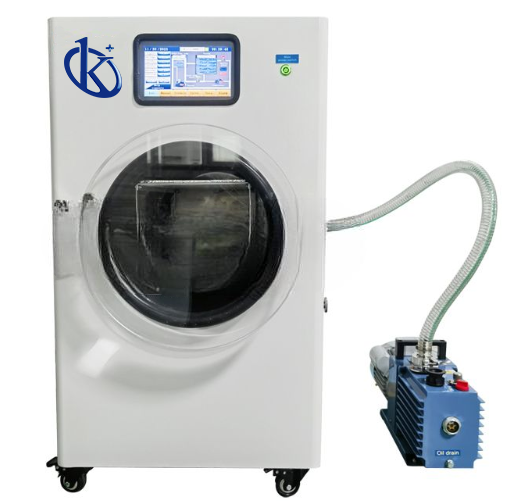
Food Freeze Dryers: Common Mistakes and How to Avoid Them in Daily Operation 2026
Food freeze dryers are essential tools in many laboratories, allowing for the preservation of food and other materials through a method known as lyophilization. This process removes moisture from products after freezing, enabling high-quality dehydration without compromising the integrity of the original product.
What is it used for in 2026
In 2026, food freeze dryers are utilized in various applications, including food processing, pharmaceuticals, and biological research. These devices are instrumental in creating lightweight, shelf-stable products that retain their nutritional value and flavor. Laboratories leverage these machines to enhance storage life, simplify transport, and ensure quality control in food production.
History and evolution of the technology
The freeze-drying process dates back to the early 20th century during World War II when it was developed for preserving blood serum and other biological materials. The technology has significantly evolved over the decades, with advancements in vacuum systems, control mechanisms, and energy efficiency, leading to modern freeze dryers that provide superior performance and reliability.
How to use it step by step
Using a food freeze dryer involves the following steps:
- Preparation: Prepare the food items by cutting them into appropriate sizes and pre-freezing them.
- Load the freeze dryer: Place the pre-frozen items on the trays inside the freeze dryer.
- Set parameters: Set the desired temperature and vacuum levels according to the type of food being processed.
- Start the cycle: Initiate the freeze-drying cycle, monitoring the process through the control panel.
- End of cycle: Once the cycle is complete, carefully remove the trays and store the freeze-dried products in airtight containers.
Best techniques and protocols
To achieve optimal results in freeze-drying, consider the following techniques:
- Ensure uniform thickness in food items for even drying.
- Maintain consistent temperature and vacuum levels throughout the process.
- Use pre-freezing to enhance the efficiency of moisture removal.
- Regularly calibrate and maintain the freeze dryer to ensure accuracy and performance.
Practical applications by laboratory type
Different laboratories utilize food freeze dryers for various applications:
- Food Science Labs: For preserving fruits, vegetables, and ready-to-eat meals.
- Pharmaceutical Labs: In the production of freeze-dried vaccines and medications.
- Biological Research Labs: To store biological specimens and maintain their viability.
Regulations, standards and certifications
When using food freeze dryers, compliance with various regulations and standards is crucial. Relevant certifications might include:
- ISO 9001 for quality management systems.
- FDA regulations for food processing equipment.
- GMP (Good Manufacturing Practices) to ensure product safety and quality.
Comparison with alternative technologies
Freeze-drying is often compared to other preservation methods, such as dehydration and canning. Freeze-drying retains better nutritional and sensory qualities compared to these alternatives, making it suitable for products where texture and flavor are essential.
Comparison of available models
| Model | Best for | Key specs | Recommended use case |
|---|---|---|---|
| YR05984 | General food freeze drying | 0.4m2 tray area, 4-6kg batch, -50°C condenser temp | For medium-sized batches of food products |
| YR05983 | Home use | 0.1m2 tray area, 1-2kg batch, -50°C condenser temp | Ideal for small amounts of home-prepared foods |
| YR05985 | Fruits and vegetables | 0.6m2 tray area, 6-8kg batch, -50°C condenser temp | Best for preserving fruits and vegetables |
| YR06612 | Large scale processing | 52.92m2 area, 500kg batch, -50°C condenser temp | For commercial production and large volumes |
Common mistakes and how to avoid them
Some common mistakes include:
- Inconsistent freezing: Ensure all items are fully frozen before starting the cycle.
- Overloading the dryer: Follow the manufacturer's guidelines for batch sizes.
- Ignoring maintenance: Regularly check seals and vacuum levels to avoid performance issues.
Maintenance, calibration and good practices 2026
To maintain optimal performance, perform the following:
- Regularly clean the trays and vacuum chamber.
- Calibrate temperature and vacuum sensors periodically.
- Conduct routine inspections of seals and gaskets for wear.
Cost-benefit analysis 2026
The initial investment in a food freeze dryer can be significant; however, the long-term benefits, including reduced waste and extended product shelf life, often outweigh the costs. Evaluating the potential return on investment is essential, particularly for commercial operations.
Frequently asked questions
How do I choose the right food freeze dryer for my laboratory?
Consider factors such as the volume of product you intend to freeze-dry, the types of materials you will process, and your budget. Smaller units are suitable for home use, while larger models are better for commercial operations.
What types of food can be freeze-dried?
Most fruits, vegetables, and cooked meals can be freeze-dried effectively. Products like meat and dairy can also be processed, but specific protocols must be followed to ensure safety and quality.
How long does the freeze-drying process take?
The duration depends on the type and amount of food being processed. Typically, freeze-drying can take anywhere from 24 to 48 hours, depending on the specific model and settings.
Can I use a food freeze dryer for non-food applications?
Yes, food freeze dryers can also be used for pharmaceuticals and biological samples, making them versatile equipment in various laboratory settings.
What maintenance is required for food freeze dryers?
Regular cleaning, calibration of sensors, and inspection of seals and gaskets are necessary maintenance practices to ensure optimal performance.
Are freeze-dried products safe to eat?
Yes, freeze-dried products are safe to consume as long as they are processed correctly and stored in airtight containers to prevent moisture absorption.
Where can I request a quote for a food freeze dryer?
You can request a quote directly through our platform to explore competitive pricing and options tailored to your needs.
If you are looking for a fusion of innovation and quality, you have come to the right place. At Kalstein, we offer you the luxury of exploring our exclusive catalog of laboratory equipment. We manufacture every device to the highest standards of excellence. Our intuitive and seamless online purchasing channels are designed for your convenience, securing the most competitive prices. Hesitate no longer — we bring science to life, it is time to become part of our community.