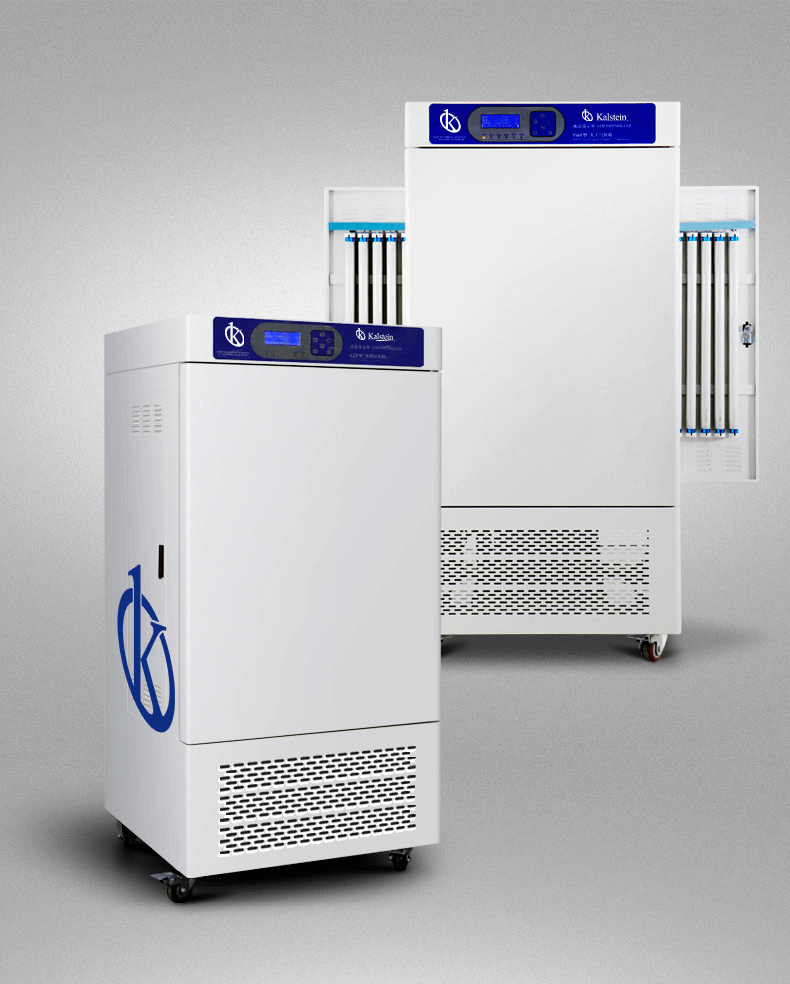
Environmental Chambers: Practical Applications and Techniques 2026
Environmental chambers play a pivotal role in various scientific fields, including research, biotechnology, and academia. They provide controlled environments that simulate different climatic conditions, ensuring that experiments and applications are conducted under optimal conditions. In this article, we will explore the applications, history, best practices, and practical workflows associated with environmental chambers in 2026.
What is it used for in 2026
In 2026, environmental chambers are utilized for numerous applications across different sectors. These chambers are instrumental in biological research, testing materials, and product development. They allow researchers to simulate various environmental conditions such as temperature, humidity, and light, which are essential for studying the effects of these variables on living organisms or materials. Additionally, environmental chambers are used for:
- Testing the effects of climate on plant growth.
- Studying microbial behavior and growth.
- Conducting stability tests for pharmaceuticals and other products.
- Creating controlled environments for advanced materials testing.
- Supporting research in agricultural practices and animal husbandry.
History and evolution of the technology
The evolution of environmental chambers can be traced back to early climatic simulation equipment, which was limited in capabilities. Over the decades, advancements in technology have led to the development of sophisticated models with precise control over temperature, humidity, and light. The introduction of digital controls and automated systems has made these chambers more user-friendly and reliable. Today, environmental chambers are equipped with advanced features such as data logging, real-time monitoring, and smart technology integration, making them indispensable in modern laboratories.
How to use it step by step
Using an environmental chamber requires understanding its controls and settings. Here is a step-by-step guide:
- Preparation: Ensure that the chamber is clean and free of contaminants. Gather all materials needed for your experiment.
- Set up the chamber: Configure the internal settings such as temperature, humidity, and light intensity based on your experimental requirements.
- Place specimens inside: Carefully insert specimens or samples, ensuring they are positioned correctly to receive uniform conditions.
- Monitoring: Use the chamber's monitoring system to keep track of environmental conditions and make adjustments as needed.
- Data collection: After the experiment, collect data, and analyze results to draw conclusions.
- Cleanup: After use, clean the chamber to maintain its functionality and longevity.
Best techniques and protocols
To ensure optimal results in experiments conducted within environmental chambers, the following techniques and protocols are recommended:
- Regular calibration of temperature and humidity sensors to ensure accuracy.
- Utilizing proper spacing for samples to allow for adequate airflow and uniform exposure to environmental conditions.
- Employing consistent monitoring practices, such as using external data loggers for verification.
- Implementing a standard operating procedure (SOP) for every type of experiment conducted within the chamber.
- Regular assessment of data to identify any anomalies or required adjustments in chamber conditions.
Practical applications by laboratory type
Different laboratories utilize environmental chambers for specific applications, tailored to their research needs:
Biological Laboratories:
Biological laboratories often use environmental chambers to study the growth conditions of various organisms, testing how temperature and humidity affect their development.
Chemical Laboratories:
Chemical labs may utilize chambers for stability testing of chemicals under different environmental conditions, ensuring product integrity over time.
Agricultural Research Facilities:
Agricultural facilities leverage environmental chambers to simulate seasonal changes, helping researchers understand growth patterns in crops and effects on yield.
Pharmaceutical Laboratories:
Pharmaceutical manufacturers use environmental chambers for product testing, ensuring that drugs remain stable under varying environmental conditions.
Regulations, standards and certifications
Environmental chambers must comply with industry standards and regulations to ensure safety and reliability. Key standards include:
- ISO 9001 for quality management systems.
- ISO 17025 for laboratories conducting tests and calibrations.
- Good Laboratory Practice (GLP) guidelines, ensuring proper conduct in non-clinical studies.
Certification from recognized bodies can enhance credibility and ensure compliance with necessary regulations.
Comparison with alternative technologies
While environmental chambers are widely used, alternative technologies such as incubators and climate control cabinets may also be employed. Here’s a comparison:
- Environmental Chambers: Provide extensive control over multiple environmental parameters.
- Incubators: Primarily focused on maintaining constant temperature and humidity for biological samples.
- Climate Control Cabinets: Designed for long-term storage under specific climate conditions but may lack finer control parameters.
Comparison of available models
| Model | Best for | Key specs | Recommended use case |
|---|---|---|---|
| YR05328 | Research in biology and agriculture | Temperature range: 10~60°C, Humidity range: 50%-90% | Ideal for simulating natural climates for plant growth studies. |
| YR05329 | Testing microbial growth | Temperature range: 10~60°C, Humidity range: 50%-90% | Used for experiments requiring high uniformity in temperature and humidity. |
| YR05330 | Pharmaceutical stability testing | Temperature range: 10~60°C, Humidity range: 50%-90% | Perfect for ensuring drug efficacy under controlled conditions. |
Common mistakes and how to avoid them
Even experienced laboratory professionals can make mistakes when using environmental chambers. Here are some common pitfalls and strategies to avoid them:
- Ignoring Calibration: Ensure regular calibration of equipment to maintain accuracy.
- Overloading the Chamber: Follow the manufacturer’s guidelines on load capacity to avoid uneven conditions.
- Inadequate Monitoring: Always monitor conditions consistently to prevent deviations.
Maintenance, calibration and good practices 2026
Maintenance is crucial for the longevity and reliability of environmental chambers. Key practices include:
- Regular cleaning of interior surfaces to prevent contamination.
- Conducting monthly calibration checks to ensure precise performance.
- Documenting all maintenance and calibration activities for accountability.
Cost-benefit analysis 2026
Investing in an environmental chamber can yield significant benefits for laboratories. Consider the following aspects:
- Initial Investment: The cost of purchasing an environmental chamber can range, but it is justified by the enhanced capabilities it provides.
- Operational Efficiency: With an accurate and controlled environment, laboratories can conduct experiments more reliably, leading to better outcomes.
- Long-term Savings: Reduced experimental failures and the ability to conduct extensive testing can save costs in the long run.
Frequently asked questions
What factors should I consider when choosing an environmental chamber?
When selecting an environmental chamber, consider the temperature and humidity ranges required for your experiments, the chamber's size, its energy efficiency, and its control features.
How can I ensure accurate temperature and humidity levels?
To maintain accuracy, regularly calibrate sensors and use high-quality monitoring equipment. Additionally, ensure consistent airflow in the chamber.
What maintenance practices are essential for environmental chambers?
Regular cleaning, calibration, and documentation of all maintenance activities are essential practices for ensuring the longevity of environmental chambers.
Can environmental chambers accommodate different types of samples?
Yes, environmental chambers can be designed to accommodate various samples, including biological, chemical, and agricultural specimens, provided that proper spacing and placement are maintained.
How often should I conduct calibration on my environmental chamber?
It is recommended to conduct calibration at least once a month or as needed, based on the frequency of use and specific laboratory protocols.
What are the common applications of environmental chambers in pharmaceutical research?
In pharmaceutical research, environmental chambers are commonly used for stability testing of drugs, ensuring that they remain viable and effective under various conditions.
Where can I request a quote for an environmental chamber?
You can request a quote for an environmental chamber through our online channels, ensuring you receive the most competitive prices and offerings.
If you are looking for a fusion of innovation and quality, you have come to the right place. At Kalstein, we offer you the luxury of exploring our exclusive catalog of laboratory equipment. We manufacture every device to the highest standards of excellence. Our intuitive and seamless online purchasing channels are designed for your convenience, securing the most competitive prices. Hesitate no longer — we bring science to life, it is time to become part of our community.