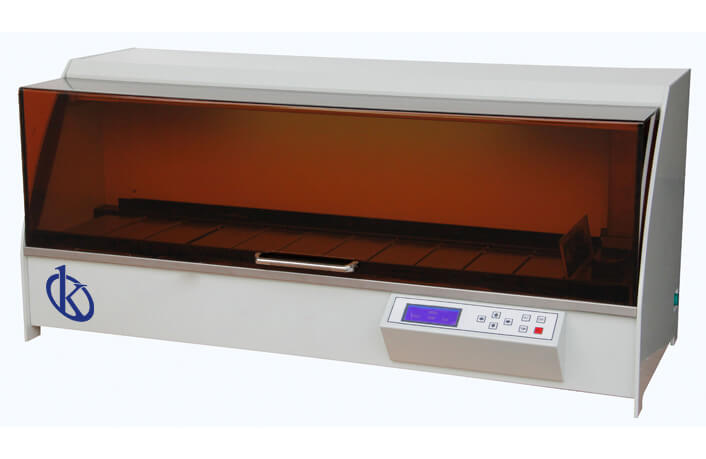
Enhancing Quality in Tissue Processing: Predictive Maintenance and Calibration Strategies
Tissue processing is a critical step in pathological anatomy, impacting the quality of specimen preparation and sectioning. This article delves into the significance of predictive maintenance and periodic calibration for tissue processors, which are essential for ensuring accuracy, efficiency, and longevity of these laboratory instruments. By examining multiple models and their specific features, we will guide laboratory professionals on best practices to maintain high operational standards.
Understanding Predictive Maintenance and Calibration in Tissue Processing
Predictive maintenance in tissue processing involves using data-driven techniques to anticipate equipment failures before they occur. This approach minimizes downtime and optimizes the performance of tissue processors. Periodic calibration, on the other hand, ensures that the instruments operate within defined parameters, maintaining consistency in processing quality. Together, these practices contribute to enhanced laboratory efficiency, reduced costs, and improved quality of histopathological specimens.
Key Factors Influencing Predictive Maintenance
Several factors affect the implementation of predictive maintenance in tissue processors. These include monitoring equipment performance metrics, understanding failure modes, and establishing proper maintenance schedules. Advanced statistical tools can be employed to analyze performance data, identify trends, and set thresholds for maintenance activities. The Automated Fabric Processor YR431, for example, implements a built-in monitoring system that aids in predictive maintenance by tracking its operational parameters and alerting users to potential issues.
Importance of Periodic Calibration for Tissue Processors
Periodic calibration is crucial for ensuring the accuracy of temperature, timing, and reagent dispensing in tissue processors. Instruments such as the Automated Fabric Processor YR428 are designed with user-friendly interfaces that facilitate easy calibration checks. Regular calibration against traceable standards is necessary to comply with quality management systems like ISO 17025, where accuracy in measurements is paramount.
Developing a Predictive Maintenance and Calibration Plan
A well-structured predictive maintenance and calibration plan should include defining key performance indicators (KPIs) such as Mean Time Between Failures (MTBF) and Mean Time To Repair (MTTR). These metrics help assess the effectiveness of maintenance strategies and make informed decisions on resource allocation. For instance, the Automated Fabric Processor YR429, with its capacity to process 80 specimens at once, requires a tailored maintenance protocol to prevent downtime.
Calibration Intervals and Best Practices
Establishing calibration intervals is essential for maintaining the integrity of tissue processors. According to best practices, calibration should be performed at regular intervals, typically every six months or after significant repairs. Models like the Fabric Processor YR427, which features a robust design, can be calibrated easily, ensuring minimal disruption to workflow. Implementing a calibration checklist can streamline the process, ensuring consistency in results.
Common Mistakes in Predictive Maintenance and Calibration
One of the most frequent mistakes in predictive maintenance is neglecting data analysis. Without thorough analysis of performance data, potential issues may go undetected. Furthermore, failing to document maintenance activities can lead to a lack of traceability, complicating compliance with standards like ISO 15189. Laboratory managers should ensure comprehensive documentation practices are in place and regularly reviewed.
Comparison of Available Models
| Model | Specifications | Best Use Case |
|---|---|---|
| YR431 | 2000 ml cup capacity, adjustable agitation frequency | High-volume labs needing precise control |
| YR436-2 | Compact size, economical choice | Small labs with budget constraints |
| YR427 | 700 ml cup capacity, robust design | Cost-effective solution for smaller specimens |
| YR428 | Automatic event recovery, 1000 ml capacity | Small labs focusing on quality |
| YR429 | 1500 ml capacity, smooth operation | Medium labs processing multiple samples |
Frequently Asked Questions
What are the benefits of predictive maintenance for tissue processors?
Predictive maintenance for tissue processors like the YR431 enhances operational efficiency by reducing unexpected downtime and extends the lifespan of the equipment. By monitoring performance metrics, labs can preemptively address issues before they disrupt workflow.
How often should a tissue processor be calibrated?
A tissue processor, such as the YR428, should be calibrated at least every six months or after significant repairs. Regular calibration ensures that the equipment operates within specified parameters, maintaining processing quality and compliance with ISO standards.
What are common mistakes in tissue processor maintenance?
Common mistakes include failing to document maintenance activities and neglecting performance data analysis. For example, without proper documentation for models like the YR427, compliance with quality management systems can be compromised.
Which tissue processor is best for small labs?
The YR436-2 is an excellent choice for small labs due to its compact size and economical price point. It provides essential features for tissue processing without requiring significant space or investment.
How does periodic calibration impact tissue processing quality?
Periodic calibration ensures that tissue processors like the YR429 operate accurately, directly impacting the quality of the specimens processed. Regular checks help adhere to standards such as ISO 17025, which is critical for reliable laboratory results.
What are the key performance indicators for tissue processor maintenance?
Key performance indicators include Mean Time Between Failures (MTBF) and Mean Time To Repair (MTTR). Monitoring these metrics assists in evaluating the effectiveness of maintenance strategies for models like the YR431.
What features should I look for in a tissue processor?
When selecting a tissue processor, consider cup capacity, temperature control precision, and automation features. The YR428, with its user-friendly interface and automatic event recovery, exemplifies important features that enhance usability in a lab setting.
How can I request a quote for a tissue processor?
To request a quote for a tissue processor, you can reach out to us directly through our contact form, specifying the model you are interested in. Our team will provide you with competitive pricing and additional information tailored to your laboratory needs.
If you are looking for a fusion of innovation and quality, you have come to the right place. At Kalstein, we offer you the luxury of exploring our exclusive catalog of laboratory equipment. We manufacture every device to the highest standards of excellence. Our intuitive and seamless online purchasing channels are designed for your convenience, securing the most competitive prices. Hesitate no longer — we bring science to life, it is time to become part of our community.