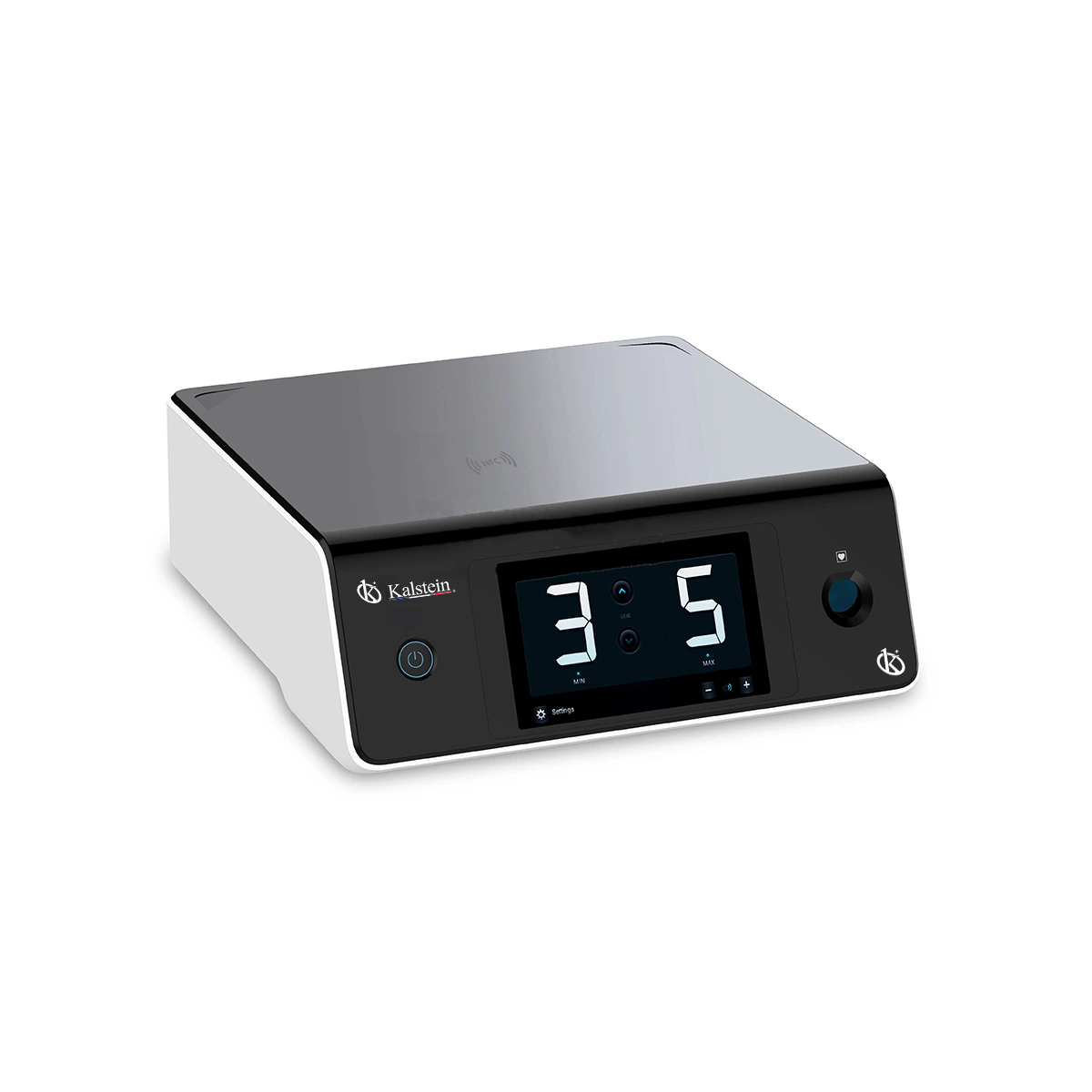
How to Enhance Energy Sustainability with Veterinary Electrosurgical Units
The veterinary field continuously seeks advancements in technology that not only improve surgical outcomes but also promote energy sustainability and reduce environmental footprints. Veterinary electrosurgical units (ESUs) play a critical role in surgical procedures, making their performance vital. This article delves into the importance of energy sustainability in veterinary ESUs, how they can minimize environmental impact, and what considerations need to be made when selecting these units.
Understanding Energy Sustainability in Veterinary Electrosurgical Units
Sustainability in veterinary surgical environments is increasingly critical due to the growing awareness of environmental issues. Energy consumption is a key element of sustainability, where the focus is on minimizing energy use during surgeries. Veterinary electrosurgical units, which utilize high-frequency electrical currents to cut and coagulate tissue, can vary significantly in their energy efficiency.
By utilizing devices that effectively manage energy consumption, veterinary practices can significantly reduce their carbon footprint. For instance, models like the Veterinary Ultrasonic Scalpel YR06129 and the Veterinary Blood Vessel Sealing Generator YR06130 both emphasize performance while being mindful of energy consumption. Understanding the specific features that contribute to energy efficiency is essential when selecting a unit.
Key Features for Energy Efficiency
When assessing electrosurgical units for energy efficiency, several features should be considered:
- Output Modes: Units with multiple output modes, such as cutting and coagulation modes, can optimize energy use depending on the surgical requirement.
- Automatic Detection: Devices like the Vascular Blood Vessel Sealing Generator (LigaSure) YR06131 include automatic tissue detection, which minimizes energy waste by ensuring the appropriate output is used based on tissue type.
- Control Technology: Implementations of advanced control technologies, such as the four-core CPU control in the YR06129, ensure stable output and thereby enhance energy efficiency.
Comparative Energy Consumption Analysis
To gain insight into the energy efficiency of various veterinary electrosurgical units, it is important to analyze their energy consumption metrics. Below is a comparison of selected models:
| Model | Power Consumption (W) | Operating Modes | Best for Energy Efficiency |
|---|---|---|---|
| YR06129 | 690 VA | Max, Min | Small to medium surgical procedures |
| YR06130 | 150 VA | 7 modes | General surgeries |
| YR06131 | 300 W | Automatic sealing | Laparoscopic and open procedures |
| YR06132 | 300 W | Pure, mixed, coagulation | Versatile tissue types |
| YR06133 | 15 W | CW, pulsed | Portable surgeries |
| YR06134 | 15 W | CW, pulsed | Compact settings |
Reducing Environmental Impact: Practical Strategies
Reducing the environmental impact of veterinary surgeries can be achieved through various strategies:
- Efficient Use of Energy: Selecting units that offer high efficiency, like the Veterinary Electrosurgical Unit YR06132, helps to minimize unnecessary energy consumption.
- Minimizing Waste: Using models equipped with features that reduce tissue damage can lower the overall waste produced during procedures.
- Material Considerations: Choosing devices that are designed with recyclable materials can contribute to a reduced environmental footprint.
Comparison of Available Models
| Model | Energy Consumption (W) | Features | Optimal Usage Scenario |
|---|---|---|---|
| YR06129 | 690 VA | Two output modes, automatic detection | Routine surgical procedures |
| YR06130 | 150 VA | Touchscreen control, multifunctional | Gastrointestinal surgeries |
| YR06131 | 300 W | Provides uniform sealing | Laparoscopic procedures |
| YR06132 | 300 W | Multiple cutting and coagulation modes | Complex surgeries |
| YR06133 | 15 W | Portable, high integration | Mobile surgical applications |
| YR06134 | 15 W | Dual wavelength | Portable settings |
Common Mistakes and How to Avoid Them
Veterinary professionals often fall into several traps when selecting electrosurgical units, which can undermine sustainability efforts:
- Ignoring Energy Ratings: Always check the energy consumption ratings of devices to ensure they align with sustainability goals.
- Focusing Solely on Features: While features are important, understanding their impact on energy efficiency is crucial.
- Neglecting Maintenance: Regular maintenance of electrosurgical units can prevent energy wastage and keep them functioning at optimal efficiency.
Frequently Asked Questions
How do veterinary electrosurgical units impact energy sustainability in surgical settings?
Veterinary electrosurgical units like the YR06130 can significantly impact energy sustainability by offering efficient power consumption, thus reducing the overall energy footprint during surgical procedures.
What specifications should I look for in a sustainable veterinary electrosurgical unit?
When selecting a sustainable veterinary electrosurgical unit, prioritize models with energy-efficient ratings, effective output modes, and advanced control technologies such as that found in the YR06129.
Which veterinary electrosurgical units are best for reducing environmental impact?
Models like the YR06131 and YR06132 are designed for maximum efficiency and minimal tissue damage, making them ideal choices for reducing environmental impact in veterinary surgeries.
How can I assess the energy efficiency of veterinary electrosurgical units?
Assessing the energy efficiency of veterinary electrosurgical units can be done by reviewing their power consumption metrics and energy ratings, as seen in the comparative analysis of models like YR06130.
What are the best practices for minimizing waste during veterinary surgeries?
Best practices for minimizing waste include selecting electrosurgical units with effective sealing capabilities like the YR06131, which significantly reduces blood loss and waste during procedures.
How often should I maintain my veterinary electrosurgical unit for optimal performance?
To ensure optimal performance, veterinary electrosurgical units should be maintained regularly, ideally every six months, to prevent energy wastage and maintain efficiency.
What role do energy-efficient veterinary electrosurgical units play in cost reduction?
Energy-efficient veterinary electrosurgical units like the YR06132 can help reduce operational costs significantly by minimizing energy consumption and waste during surgical procedures.
How can I choose the right veterinary electrosurgical unit for my practice’s sustainability goals?
Choosing the right veterinary electrosurgical unit involves considering energy consumption, features that promote sustainability, and reviewing models like the YR06129 that effectively balance performance with environmental impact.
If you are looking for a fusion of innovation and quality, you have come to the right place. At Kalstein, we offer you the luxury of exploring our exclusive catalog of laboratory equipment. We manufacture every device to the highest standards of excellence. Our intuitive and seamless online purchasing channels are designed for your convenience, securing the most competitive prices. Hesitate no longer — we bring science to life, it is time to become part of our community.