Energy Sustainability and Environmental Footprint Reduction in Vertical Electrophoresis 2026
As laboratories are increasingly pushed to adopt sustainable practices, the focus on energy sustainability and reducing environmental footprints in vertical electrophoresis has never been more critical. This article explores various models in vertical electrophoresis, emphasizing how they contribute to energy efficiency and minimizing environmental impact. By understanding these dynamics, laboratory professionals can make informed decisions that align with their sustainability goals while achieving optimal research outcomes.
Understanding Vertical Electrophoresis in the Context of Sustainability
Vertical electrophoresis remains a preferred method for protein separation due to its efficiency and resolution capabilities. However, the energy consumption and waste generation associated with these systems can significantly affect laboratories' environmental footprints. By evaluating the models, we can identify features that promote energy sustainability.
Comparison of Available Models
| Model | Energy Consumption (kWh/run) | Water/Reagent Consumption (ml) | Net Weight (kg) | Price (USD) |
|---|---|---|---|---|
| YR03425 | 0.5 | 750 | 1.5 | 303.00 |
| YR03426 | 0.6 | 1000 | 2.5 | 405.00 |
| YR03427 | 0.7 | 1200 | 2.5 | 517.20 |
| YR03428 | 0.8 | 1800 | 3.2 | 173.40 |
| YR03429 | 0.9 | 3500 | 5.6 | 238.20 |
| YR03430 | 0.65 | 1800 | 3.2 | 339.60 |
Energy Consumption Efficiency of Vertical Electrophoresis Models
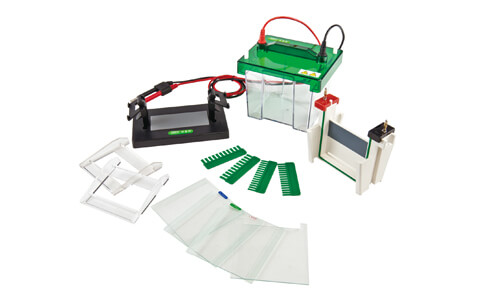
When it comes to energy consumption, the Mini-Protean Vertical Electrophoresis Cell YR03425 stands out with a consumption of only 0.5 kWh per run, making it one of the most efficient models available. This efficiency is crucial for laboratories seeking to reduce operational costs and environmental impact.
Water and Reagent Consumption Analysis
In vertical electrophoresis, the water and reagent consumption during experiments can lead to significant waste. The YR03428 model, for instance, requires about 1800 ml of buffer solution, which can be optimized through better planning and scheduling of electrophoresis runs. Utilizing models with lower consumption rates can aid laboratories in minimizing their overall water usage.
Lifecycle Assessment of Vertical Electrophoresis Systems
Conducting a lifecycle assessment of vertical electrophoresis systems reveals their environmental impact from production to disposal. Factors such as energy use, chemical waste, and device longevity play critical roles in the overall sustainability of these systems. Selecting models like the YR03425 can contribute to a lower lifecycle footprint due to their efficient design and reduced energy needs.
Common Mistakes and How to Avoid Them
One common mistake laboratories make is neglecting to assess the energy consumption of their equipment. Before investing in vertical electrophoresis systems, it is essential to evaluate their energy and reagent consumption comprehensively. Additionally, underestimating the importance of regular maintenance can lead to increased energy usage and suboptimal performance. Prioritize models that offer energy-efficient features and require low maintenance.
Frequently Asked Questions
What are the energy consumption metrics for various vertical electrophoresis models in 2026?
The energy consumption varies among different models, with the Mini-Protean Vertical Electrophoresis Cell YR03425 consuming only 0.5 kWh per run, making it very efficient for laboratories focused on sustainability.
How can I reduce the water consumption associated with vertical electrophoresis processes?
To reduce water consumption, laboratories can choose more efficient models like the YR03425 or YR03426 that require less buffer solution while optimizing scheduling to minimize waste.
Which vertical electrophoresis model is best for minimizing environmental impact?
The Mini-Protean Vertical Electrophoresis Cell YR03425 is highly efficient, requiring only 750 ml of buffer solution and consuming low energy, making it an excellent choice for minimizing environmental impact.
What lifecycle assessments should I consider for vertical electrophoresis systems?
When evaluating lifecycle assessments for vertical electrophoresis systems, consider factors like energy efficiency, reagent usage, and device longevity to inform sustainable purchasing decisions.
How do I assess the environmental footprint reduction capabilities of vertical electrophoresis equipment?
Evaluating environmental footprint reduction capabilities involves analyzing energy consumption, water usage, and waste generation, such as the YR03428, which uses 1,800 ml of buffer solution.
What are the common pitfalls in selecting vertical electrophoresis equipment?
Common pitfalls include not considering energy consumption metrics or failing to select models that support sustainability goals, like the YR03425 and YR03426, both known for low energy use.
How do I integrate sustainable practices in electrophoresis experiments?
Integrating sustainable practices includes using energy-efficient models like the YR03430, optimizing buffer use, and conducting regular assessments of water and energy consumption in laboratory protocols.
What should I look for in a vertical electrophoresis model to ensure it meets sustainability goals?
Look for models that offer low energy consumption and reduced buffer needs, such as the YR03425 and YR03426, to ensure alignment with sustainability goals in your lab's operations.
If you are looking for a fusion of innovation and quality, you have come to the right place. At Kalstein, we offer you the luxury of exploring our exclusive catalog of laboratory equipment. We manufacture every device to the highest standards of excellence. Our intuitive and seamless online purchasing channels are designed for your convenience, securing the most competitive prices. Hesitate no longer — we bring science to life, it is time to become part of our community.