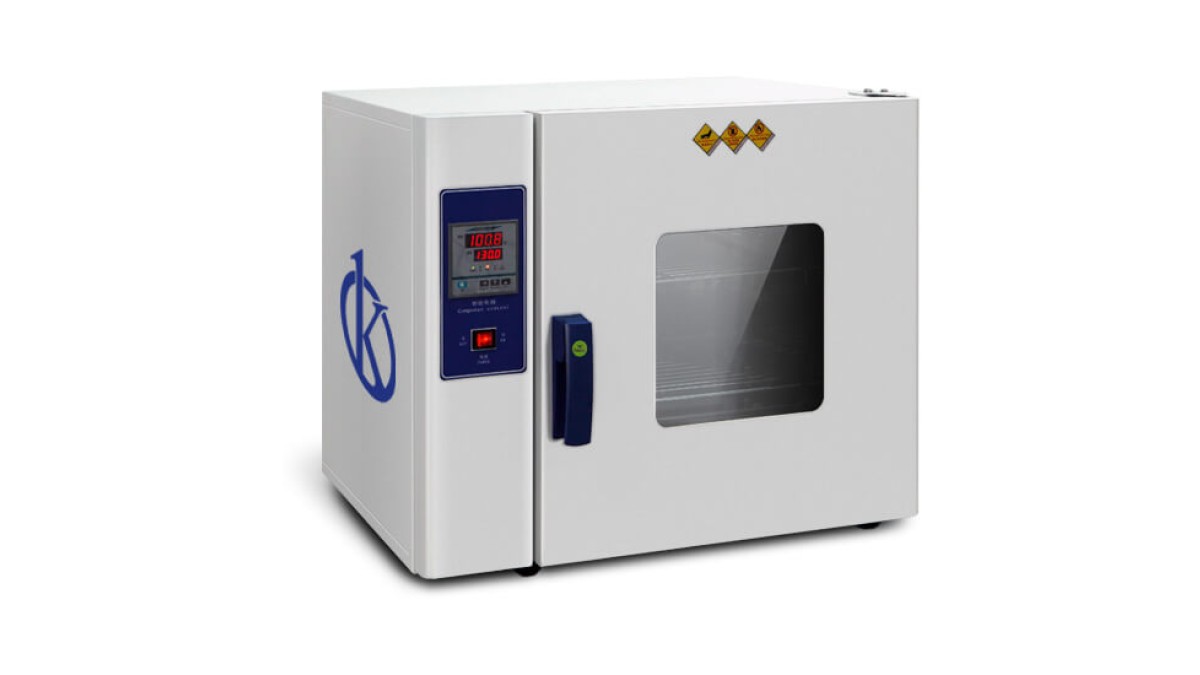
Drying Ovens: Practical Applications and Techniques 2026
Drying ovens are essential tools in laboratories, widely utilized across various fields including research, biotechnology, and academia. Their primary purpose is to provide controlled heating environments for drying, sterilizing, and other thermal treatments of samples. In this article, we will explore the practical applications, techniques, and best practices for using drying ovens effectively in 2026.
What is it used for in 2026
In 2026, drying ovens are crucial in multiple laboratory settings. They are used for:
- Drying Samples: To remove moisture from solid or liquid samples, ensuring accurate weight measurements and preventing contamination.
- Sterilization: Effective for sterilizing laboratory equipment and consumables, which is vital for maintaining cleanliness and preventing biological contamination.
- Thermal Treatment: Applied in processes such as curing materials and drying coatings, which are essential in materials science research.
- Storage: Providing a stable and controlled environment for samples requiring consistent temperature and humidity levels.
History and evolution of the technology
The concept of drying ovens has evolved significantly over the years. Early versions relied on basic heating elements and lacked temperature control. Advances in technology have introduced:
- PID Controllers: Modern ovens now feature intelligent PID controllers for precise temperature management, enhancing reproducibility.
- Digital Interfaces: LED displays allow for easy monitoring and adjustment of settings.
- Improved Materials: Use of stainless steel interiors for corrosion resistance and easier cleaning.
- Enhanced Safety Features: Modern ovens include overheating alarms and automatic shut-off systems to prevent accidents.
How to use it step by step
Using a drying oven involves several steps to ensure optimal performance and safety:
- Setup: Place the oven in a well-ventilated area, ensuring accessibility to power and control panels.
- Preheating: Turn the oven on and set the desired temperature, allowing it to reach the target temperature before introducing samples.
- Loading Samples: Place samples on appropriate trays or racks to allow for adequate airflow.
- Timer Setting: Set the timer for the required duration, based on the specific application and material type.
- Monitoring: Regularly check the oven’s temperature and timer settings during the drying process.
- Post-Processing: Once completed, allow the oven to cool down before removing samples.
Best techniques and protocols
Implementing best practices can enhance the efficiency and results obtained from drying ovens:
- Sample Preparation: Ensure samples are properly prepared to maximize surface area and facilitate quicker drying.
- Temperature Calibration: Regularly calibrate the oven’s temperature settings to maintain accuracy over time.
- Airflow Management: Optimize airflow within the oven to ensure even drying without hotspots.
- Documentation: Record conditions and results for reproducibility and troubleshooting future experiments.
Practical applications by laboratory type
Different types of laboratories utilize drying ovens for various applications:
- Research Laboratories: Used for drying chemicals and biological samples during experiments.
- Biotechnology: Essential in processing samples for genetic analysis or drug formulation.
- Pharmaceuticals: Important for the drying of active pharmaceutical ingredients (APIs) and other compounds.
- Food Industry: Employed for drying food samples to ensure quality control and shelf life testing.
Regulations, standards and certifications
Compliance with regulations ensures the safety and effectiveness of drying ovens:
- ISO Standards: Many labs adhere to ISO 9001 for quality management systems.
- Good Laboratory Practices (GLP): Ensure that laboratory processes are reliable and reproducible.
- Safety Certifications: Look for UL or CE certifications that denote compliance with safety standards.
Comparison with alternative technologies
While drying ovens are popular, other technologies may also achieve similar results:
- Freeze Dryers: Ideal for preserving the structure of sensitive samples but typically more expensive and energy-intensive.
- Microwave Dryers: Faster drying rates but may not be suitable for all sample types due to uneven heating.
- Vacuum Ovens: Reduce boiling point and can dry materials that are heat-sensitive.
Comparison of available models
| Model | Best for | Key specs | Recommended use case |
|---|---|---|---|
| YR05244 | Laboratory drying and sterilization | Temperature range: RT+5~250°C, Precision: ±0.1°C | Small-scale laboratory applications requiring precise temperature control. |
| YR05245 | Uniform temperature applications | Temperature range: RT+5~250°C, Precision: ±0.1°C | Applications needing consistent temperature for drying and sterilization. |
| YR05246 | High-capacity drying | Temperature range: RT+5~250°C, Precision: ±0.1°C | Suitable for larger sample sizes and bulk drying processes. |
| YR05247 | Advanced research applications | Temperature range: RT+5~250°C, Precision: ±0.1°C | Best for intensive research needing high precision and reliability. |
| YR05248-A | Routine laboratory use | Temperature range: RT+5~250°C, Power: 1 kW | Cost-effective for standard drying processes in laboratories. |
| YR05249-A | Versatile laboratory applications | Temperature range: RT+5~250°C, Power: 1 kW | Recommended for various routine applications in research facilities. |
Common mistakes and how to avoid them
Being aware of common errors can help prevent issues when using drying ovens:
- Overloading: Avoid exceeding the recommended sample capacity to ensure efficient drying.
- Improper Temperature Settings: Always calibrate and double-check temperature settings before starting.
- Ignoring Safety Features: Always be aware of alarm settings and ensure they are in working order.
Maintenance, calibration and good practices 2026
Proper maintenance ensures longevity and reliability of drying ovens:
- Regular Cleaning: Clean the interior and exterior surfaces to prevent contamination.
- Calibration: Schedule regular calibration checks to maintain accuracy.
- Inspection: Routinely inspect electrical connections and safety features for any wear or damage.
Cost-benefit analysis 2026
When investing in drying ovens, consider the following:
- Initial Investment: Weigh the upfront cost against the expected benefits and usage frequency.
- Operational Costs: Factor in energy consumption and potential maintenance costs.
- Efficiency Gains: Assess how much time and resources can be saved through effective use of drying ovens.
Frequently asked questions
What is the best model for routine laboratory use?
The YR05248-A model is recommended for routine laboratory applications due to its cost-effectiveness and reliable performance.
How do I ensure even drying of samples?
To ensure even drying, avoid overcrowding the oven and use appropriate racks that allow for adequate airflow around samples.
What temperature setting should I use for drying biological samples?
For biological samples, a temperature range of RT+5°C to 60°C is generally recommended to prevent degradation while ensuring moisture removal.
How often should I calibrate my drying oven?
It is advisable to calibrate your drying oven at least once a year or more frequently based on usage and criticality of applications.
Can I use a drying oven for heat-sensitive materials?
For heat-sensitive materials, consider using a vacuum oven or a low-temperature drying technique instead of a conventional drying oven.
What safety features should I look for in a drying oven?
Look for alarms for overheating, automatic shut-off mechanisms, and sturdy construction materials that can withstand high temperatures.
If you are looking for a fusion of innovation and quality, you have come to the right place. At Kalstein, we offer you the luxury of exploring our exclusive catalog of laboratory equipment. We manufacture every device to the highest standards of excellence. Our intuitive and seamless online purchasing channels are designed for your convenience, securing the most competitive prices. Hesitate no longer — we bring science to life, it is time to become part of our community.