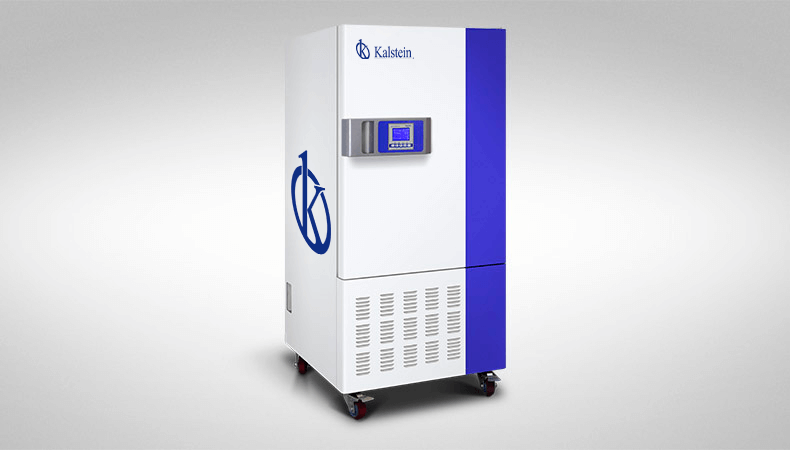
Drug Stability Test Chambers: Practical Step-by-Step Usage Guide 2026
In the highly regulated field of pharmaceuticals, the stability of drug products is paramount. Drug stability test chambers are specialized equipment used to simulate environmental conditions that affect the quality, safety, and efficacy of pharmaceutical products. This guide aims to provide laboratory professionals with detailed insights on how to use these chambers effectively, the applications of the technology, and best practices to implement in 2026.
What is it used for in 2026
In 2026, drug stability test chambers are primarily utilized in the pharmaceutical, biotechnology, and food industries to conduct stability testing under controlled temperature, humidity, and light conditions. These tests help in determining the shelf life, degradation pathways, and overall performance of drugs or biologics. The chambers create an environment that can mimic various conditions that products may encounter during storage, distribution, and use.
History and evolution of the technology
The technology behind drug stability test chambers has evolved significantly over the years. Initially, stability testing was conducted using basic environmental chambers that lacked precise control over conditions. With advancements in microprocessor technology and materials science, modern chambers now offer accurate temperature and humidity control, data logging capabilities, and enhanced safety features. This evolution has improved the reliability of stability testing, ensuring better compliance with global regulations.
How to use it step by step
Using drug stability test chambers involves several critical steps to ensure proper operation and accurate results. Here is a step-by-step guide:
- Setup: Install the chamber in a stable area away from direct sunlight and extreme temperatures. Ensure that the power supply meets the chamber's requirements.
- Calibration: Perform initial calibration of the temperature and humidity settings based on the specific protocols of the products to be tested.
- Sample Preparation: Prepare samples according to the stability study protocol, labeling them appropriately for identification.
- Loading the Chamber: Load the samples into the chamber, ensuring adequate spacing for air circulation and temperature uniformity.
- Setting Parameters: Program the desired temperature, humidity, and exposure durations into the chamber’s control system.
- Monitoring: Regularly check the chamber’s data logging to ensure conditions remain stable throughout the test period.
- Data Collection: At the defined intervals, collect samples for analysis and record all observations meticulously.
- Reporting: Compile results into a comprehensive report detailing findings, methodologies, and deviations if any.
Best techniques and protocols
To ensure the accuracy and reliability of results obtained from drug stability test chambers, here are some of the best techniques and protocols to follow:
- Standard Operating Procedures (SOPs): Develop and adhere to SOPs for every aspect of the stability testing process.
- Regular Calibration: Conduct regular calibrations and maintenance on the equipment to avoid any deviations in performance.
- Use of Controls: Always include control samples to validate the results of stability tests.
- Data Integrity: Employ electronic data logging systems that comply with data integrity standards.
Practical applications by laboratory type
Drug stability test chambers can be utilized in various laboratory settings, each with distinct applications:
- Pharmaceutical Labs: For testing the potency and stability of active pharmaceutical ingredients (APIs) and finished products.
- Biotechnology Labs: To assess the stability of biologics that may be sensitive to environmental conditions.
- Food Industry: For testing the shelf life and quality of food products under controlled conditions.
Regulations, standards and certifications
Drug stability testing is governed by various regulations and standards to ensure the safety and efficacy of pharmaceutical products. Some key guidelines include:
- ICH Guidelines: The International Council for Harmonisation (ICH) has set guidelines for stability testing that are widely accepted by regulatory authorities.
- FDA Regulations: The U.S. Food and Drug Administration mandates certain stability testing protocols to ensure product quality.
- ISO Standards: ISO 17025 provides guidelines for testing and calibration laboratories to ensure reliable results.
Comparison with alternative technologies
When considering drug stability testing, it is vital to compare drug stability test chambers with alternative technologies. Here are some comparisons:
- Refrigerators: While standard refrigerators can maintain temperature, they do not control humidity or simulate accelerated degradation conditions.
- Environmental Chambers: General environmental chambers may not provide the specific controlled environments necessary for stability testing, particularly in terms of light exposure.
- Incubators: Designed for biological samples, incubators may not meet pharmaceutical standards for stability testing.
Comparison of available models
| Model | Best for | Key specs | Recommended use case |
|---|---|---|---|
| YR05350 | Pharmaceuticals, Biologics | Temperature: 0~60°C; Humidity: 50~90% HR | Long-term stability testing of drug products. |
| YR05351 | Pharmaceuticals, Food Products | Temperature: 0~60°C; Humidity: 50~90% HR | Stability testing for diverse product formulations. |
| YR05352 | Advanced Biologics | Temperature: 0~60°C; Humidity: 50~90% HR | Testing of temperature-sensitive biological products. |
Common mistakes and how to avoid them
Laboratory professionals often encounter several common mistakes when using drug stability test chambers. Here’s how to avoid them:
- Neglecting Calibration: Always perform regular calibration before testing to ensure reliability.
- Inadequate Documentation: Maintain comprehensive documentation of all tests conducted and results obtained.
- Ignoring Environmental Conditions: Be mindful of ambient temperature and humidity, as these factors can affect chamber performance.
Maintenance, calibration and good practices 2026
Proper maintenance and calibration of drug stability test chambers are essential for accurate testing. Here are best practices for 2026:
- Regular Maintenance: Schedule maintenance checks quarterly to ensure equipment functions optimally.
- Calibrate Periodically: Conduct calibration at least biannually or as specified by the manufacturer.
- Adhere to SOPs: Follow established SOPs for cleaning and maintaining the chambers to prolong their lifespan.
Cost-benefit analysis 2026
Investing in drug stability test chambers can be costly; however, the benefits often outweigh the initial expenses. Benefits include:
- Regulatory Compliance: Meeting strict regulatory requirements reduces the risk of product recalls.
- Product Integrity: Ensures that products remain effective and safe for consumers.
- Long-Term Savings: Investing in reliable chambers minimizes operational failures that lead to costly re-tests.
Frequently asked questions
What should I consider when choosing a drug stability test chamber?
Consider factors such as temperature and humidity range, size, ease of use, and the specific requirements of the products you will be testing.
How often should I calibrate my drug stability test chamber?
It is recommended to calibrate your chamber at least biannually or more frequently depending on usage and manufacturer guidelines.
What are the common temperature and humidity settings for stability testing?
Common settings often range from 0 to 60 degrees Celsius for temperature and 50 to 90% relative humidity, depending on the product being tested.
How can I ensure data integrity during testing?
Utilize electronic data logging systems that comply with data integrity standards and maintain comprehensive records of all testing activities.
What are the main regulatory standards I need to comply with?
Key regulatory standards include ICH guidelines, FDA regulations, and ISO 17025, all of which govern the conduct and documentation of stability testing.
Can stability testing be performed on biologics?
Yes, stability testing is critical for biologics to ensure their safety and efficacy under various environmental conditions.
Where can I find reliable drug stability test chambers?
Consult with established laboratory equipment suppliers or manufacturers to find reliable models that meet your testing requirements.
If you are looking for a fusion of innovation and quality, you have come to the right place. At Kalstein, we offer you the luxury of exploring our exclusive catalog of laboratory equipment. We manufacture every device to the highest standards of excellence. Our intuitive and seamless online purchasing channels are designed for your convenience, securing the most competitive prices. Hesitate no longer — we bring science to life, it is time to become part of our community.