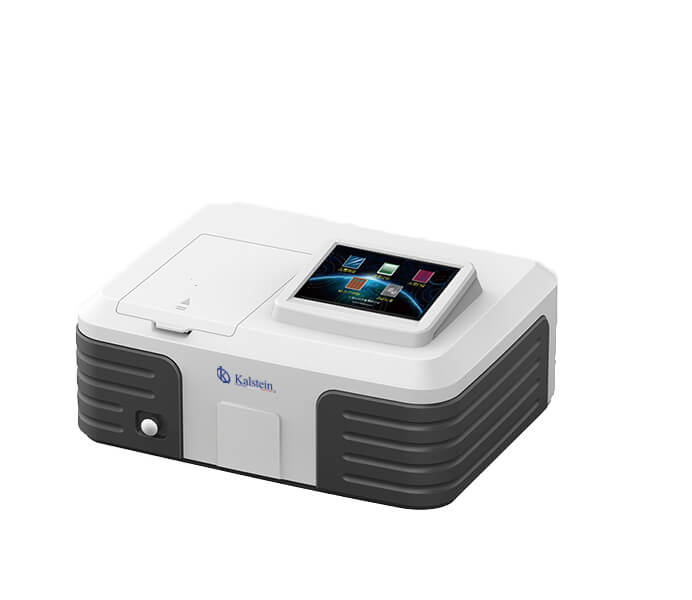
Double Beam Spectrophotometers: Common Mistakes and How to Avoid Them in Daily Operations 2026
In laboratory environments, double beam spectrophotometers are vital instruments used for various analytical techniques. As these devices evolve, understanding their applications, best practices, and common pitfalls becomes crucial for laboratory professionals. In this article, we will explore the functionalities, history, practical applications, and how to effectively utilize double beam spectrophotometers while avoiding common mistakes.
What is it used for in 2026
Double beam spectrophotometers are primarily used for precise measurements of absorbance and transmittance of light through samples. They are equipped with dual optical paths, allowing for simultaneous measurement of the sample and reference beams. This capability enhances the accuracy of analytical results by compensating for fluctuations in light intensity. In 2026, their applications span across multiple domains including biochemical assays, environmental monitoring, and quality control in pharmaceuticals.
History and evolution of the technology
The history of spectrophotometry dates back to the late 19th century, with the introduction of basic photometers. The evolution towards double beam technology emerged in the mid-20th century, addressing the limitations of single beam spectrophotometers. The introduction of advanced optics, digital readouts, and software integration has significantly enhanced their functionality, leading to improved accuracy and efficiency in measurements.
How to use it step by step
Using a double beam spectrophotometer involves several critical steps:
- **Preparation:** Ensure the instrument is calibrated and set to the appropriate wavelength required for the analysis.
- **Sample Preparation:** Prepare the samples in suitable cuvettes, ensuring they are free from bubbles and contaminants.
- **Zeroing the Instrument:** Place a blank sample in the reference beam to establish a baseline measurement.
- **Measurement:** Insert the sample in the sample beam and record the absorbance or transmittance as needed.
- **Data Analysis:** Utilize the software to analyze the data obtained, generating graphs or reports as required.
- **Clean-Up:** After use, clean cuvettes and maintain the instrument according to manufacturer instructions.
Best techniques and protocols
To ensure accurate and reliable results, adhere to the following best practices:
- Regularly calibrate the spectrophotometer using standard solutions.
- Always use clean and dry cuvettes for each measurement to prevent contamination.
- Maintain stable temperature and avoid direct sunlight on the instrument during operations.
- Perform duplicate or triplicate measurements for increased reliability.
- Utilize appropriate software for data analysis to minimize human errors.
Practical applications by laboratory type
Double beam spectrophotometers have diverse applications across various laboratory types:
- Clinical Laboratories: Used for analyzing blood samples, determining the concentration of biomarkers in serum.
- Environmental Laboratories: Employed to measure pollutant concentrations in water samples.
- Pharmaceutical Laboratories: Utilized for quality control to ensure the concentration of active ingredients in formulations.
- Research Laboratories: Ideal for conducting kinetic studies and enzyme activity assays.
Regulations, standards and certifications
Operating double beam spectrophotometers must adhere to specific regulations and standards such as:
- ISO 9001 for quality management systems.
- ISO 17025 for laboratory testing and calibration.
- Good Laboratory Practices (GLP) for consistent quality assurance in laboratory environments.
Comparison with alternative technologies
When comparing double beam spectrophotometers with single beam and other analytical techniques, consider the following:
- Single Beam Spectrophotometers: Less accurate due to fluctuations in light intensity but generally more affordable.
- High-Performance Liquid Chromatography (HPLC): More complex and suitable for separating components but requires extensive training and maintenance.
- Infrared Spectroscopy: Used for different applications involving molecular vibrations, complementing the uses of UV/Vis spectrophotometry.
Comparison of available models
| Model | Best for | Key specs | Recommended use case |
|---|---|---|---|
| YR01858 | General laboratory use | 320-1100 nm, ±0.3% T accuracy | Routine photometric measurements |
| YR01862 | High precision analysis | 190-1100 nm, ±0.1nm accuracy | Advanced biochemical assays |
| YR01862-1 | Multifunctional analysis | 190-1100 nm, 1.0 nm bandwidth | Comprehensive quality control |
| YR01862-2 | Robust performance | 190-1100 nm, built-in 10" display | Complex sample analysis |
| YR01864 | Standard UV/Vis applications | 190-1100 nm, 1.0 nm bandwidth | Environmental monitoring |
| YR01865 | Long path length measurements | 190-1100 nm, 0.5 nm bandwidth | Research and development tasks |
Common mistakes and how to avoid them
Despite their advantages, users can make common mistakes that affect results:
- Failing to calibrate: Regular calibration is essential to maintain accuracy. Implement a schedule for routine calibration.
- Inadequate sample preparation: Ensure all samples are free from impurities and properly diluted.
- Ignoring the importance of blank samples: Always run a blank to establish a baseline for your samples.
- Not recording conditions: Keep a detailed log of experimental conditions to replicate or troubleshoot if needed.
Maintenance, calibration and good practices 2026
Regular maintenance and calibration procedures include:
- Cleaning optical components regularly to prevent interference from contaminants.
- Calibrating the device before critical measurements using standard solutions.
- Checking alignment of optical paths to ensure accurate readings.
- Documenting all maintenance activities for traceability and compliance.
Cost-benefit analysis 2026
The cost of acquiring and maintaining a double beam spectrophotometer can be significant, yet the benefits often outweigh these costs. Consider the following:
- Increased accuracy leads to better research outcomes and product quality.
- Reduction in operational errors through advanced technology.
- Time saved in analysis due to faster processing capabilities.
Frequently asked questions
What are the best practices for using a double beam spectrophotometer?
Best practices include regular calibration, using clean cuvettes, documenting measurements, and running blank samples to ensure accuracy.
How do I choose the right model for my laboratory needs?
Consider the specific applications, required wavelength range, and budget when selecting a model. Evaluate the key specifications to match your laboratory's analytical demands.
Can double beam spectrophotometers be used for kinetic measurements?
Yes, they are suitable for kinetic measurements as they can measure the absorbance change over time, allowing for real-time analysis of reactions.
How often should I calibrate my spectrophotometer?
It is recommended to calibrate the instrument before critical analyses and at regular intervals based on usage frequency, typically weekly or monthly.
What types of samples can be analyzed using double beam spectrophotometers?
They can analyze liquids, including biological samples, chemical solutions, and environmental samples, provided they are placed in appropriate cuvettes.
How can I prevent light interference when using a spectrophotometer?
Ensure the optical path is clean and free from dust, utilize a sealed optical design, and perform measurements in a controlled environment.
What should I do if I encounter discrepancies in my readings?
Check for calibration issues, ensure cuvettes are clean, verify the sample preparation, and review experimental conditions for consistency.
If you are looking for a fusion of innovation and quality, you have come to the right place. At Kalstein, we offer you the luxury of exploring our exclusive catalog of laboratory equipment. We manufacture every device to the highest standards of excellence. Our intuitive and seamless online purchasing channels are designed for your convenience, securing the most competitive prices. Hesitate no longer — we bring science to life, it is time to become part of our community.