Digital Salinity Refractometers: Applications in Research, Biotechnology, and Academia 2026
Digital salinity refractometers are essential tools in laboratories across various fields such as research, biotechnology, and academia. These devices provide precise measurements of salinity and refractive index, enabling scientists to analyze solutions effectively. In this article, we will delve into the various uses of these refractometers, the evolution of the technology, best practices, and practical applications.
What is it used for in 2026
In 2026, digital salinity refractometers are widely used for measuring salinity levels in a variety of solutions including seawater, saline solutions, and other chemical compounds. They are vital in fields like environmental science, agriculture, aquaculture, and food production. These devices enable professionals to monitor salt levels in both fresh and marine waters, ensuring optimal conditions for marine life and agricultural products.
History and evolution of the technology
The refractometer has a long-standing history dating back to the early 19th century. Originally, refractometry was a manual process requiring considerable skill and time. The introduction of digital technology has significantly enhanced the accuracy and ease of use of these instruments. The digital salinity refractometers of today come equipped with automatic temperature compensation (ATC), making them much more reliable in varying conditions compared to their predecessors.
How to use it step by step
Using a digital salinity refractometer involves a few straightforward steps:
- Prepare the sample: Ensure that the solution you wish to measure is free from bubbles and contaminants.
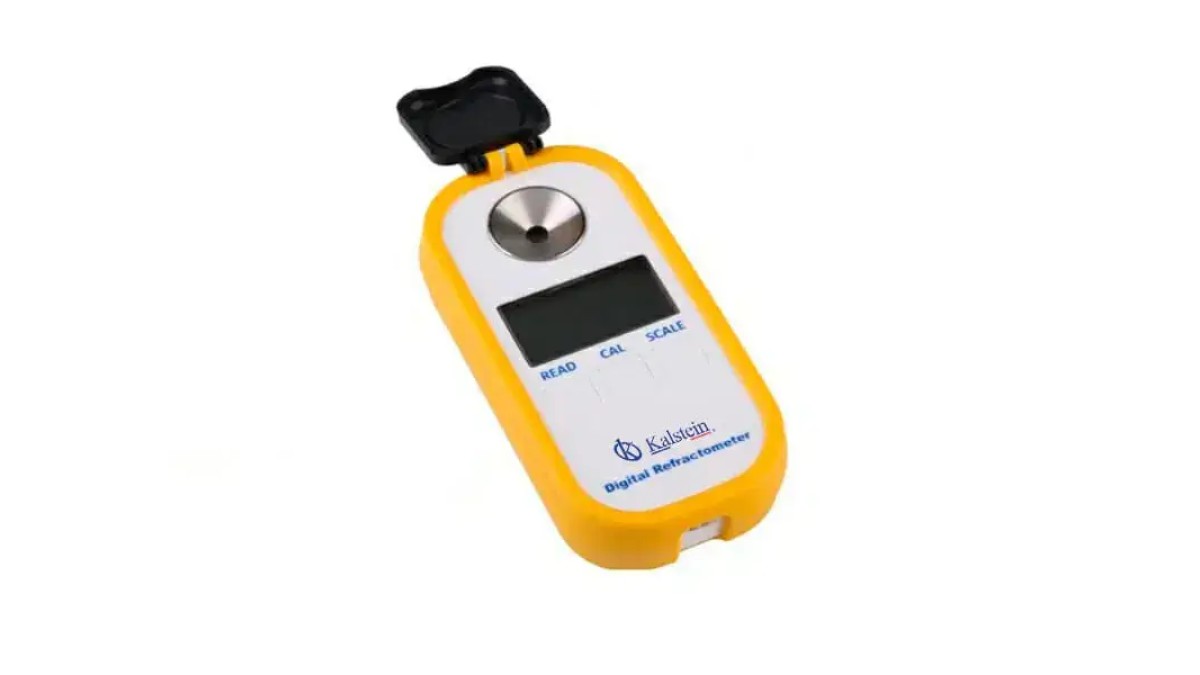
- Apply the sample: Place a single drop of the solution onto the prism of the refractometer.
- Close the cover: Gently close the cover to spread the sample evenly across the prism.
- Take the reading: Press the read button to display the salinity level on the digital screen.
- Clean the prism: After use, clean the prism with distilled water to prevent cross-contamination.
Best techniques and protocols
To ensure accurate readings, follow these best practices:
- Always calibrate the refractometer before use.
- Use distilled water to clean the prism between different samples.
- Maintain a consistent temperature during measurements.
- Ensure that the sample is evenly spread on the prism to avoid light refraction errors.
Practical applications by laboratory type
Digital salinity refractometers are utilized in various laboratory settings, including:
- Environmental laboratories: For monitoring salinity levels in water bodies.
- Aquaculture: To maintain optimal salinity levels for fish and other aquatic organisms.
- Food industry: For ensuring proper salt concentrations in food products.
- Agricultural research: To analyze soil salinity which impacts plant growth.
Regulations, standards and certifications
In 2026, digital salinity refractometers must comply with various international standards and regulations to ensure accuracy and reliability. These include ISO standards for measuring equipment and calibration protocols. Laboratories using these devices should ensure they are certified and regularly calibrated according to these standards to ensure compliance and accuracy in their measurements.
Comparison with alternative technologies
While digital salinity refractometers are widely used, other technologies such as conductivity meters and titration methods are also common. Conductivity meters measure the electrical conductivity of a solution, which can be correlated to salinity levels, while titration methods involve chemical reactions to determine salinity. Although these alternatives can be effective, digital refractometers offer faster results and ease of use.
Comparison of available models
| Model | Best for | Key specs | Recommended use case |
|---|---|---|---|
| YR05953 | Measuring salinity | 0.0--28.0%, ±0.1% | Freshwater aquaculture |
| YR05954 | Measuring high salinity | 0--280‰, ±1‰ | Marine biology |
| YR05955 | Density measurements | 1.000-1.217, ±0.002 | Seafood processing |
| YR05956 | Refractive index | 1.3330--1.3900nD, ±0.0003nD | Laboratory research |
| YR05957 | Salinity in brackish water | 0—100‰, ±2‰ | Environmental analysis |
| YR05958 | Clinometric measurements | 0--57‰, ±2‰ | Soil salinity testing |
| YR05959 | Density in low salinity | 1.000-1.070, ±0.002 | Food industry |
| YR05960 | Precise refractive index | 1.3330--1.3530nD, ±0.0003nD | Advanced laboratory research |
Common mistakes and how to avoid them
While using digital salinity refractometers, common mistakes can include:
- Not calibrating the device before use — this can lead to inaccurate readings.
- Using dirty or contaminated samples — always ensure the prism is clean.
- Neglecting temperature effects — temperature can greatly affect salinity readings.
To avoid these mistakes, always adhere to the manufacturer's instructions for calibration and cleaning, and maintain a standard measurement temperature.
Maintenance, calibration and good practices 2026
Regular maintenance and calibration are crucial for accurate results. Follow these guidelines:
- Calibrate regularly, preferably before each use.
- Clean the prism with distilled water after every measurement.
- Store the refractometer in a safe, dry place to avoid damage.
Cost-benefit analysis 2026
In 2026, the investment in digital salinity refractometers is justified by their precision, durability, and the time saved in measurements. They offer a significant advantage over traditional methods, especially in environments where quick and accurate results are essential. The cost of these devices is offset by their ability to prevent costly errors in research and production processes.
Frequently asked questions
What is the best way to calibrate a digital salinity refractometer?
The best way to calibrate a digital salinity refractometer is to use a standard saline solution with a known salinity level. Place a drop of the calibration solution on the prism and adjust the reading to match the known value.
How often should I clean my refractometer?
You should clean your refractometer after every use, using distilled water to prevent contamination between samples.
Can I use tap water for measurements?
It is not recommended to use tap water as it can contain impurities that may affect the accuracy of the measurements.
What are the indicators of a faulty refractometer?
Indicators of a faulty refractometer include erratic readings, failure to calibrate properly, or physical damage to the prism or housing.
Is it possible to measure salinity at different temperatures?
Yes, many digital salinity refractometers come with automatic temperature compensation (ATC), allowing for accurate measurements at varying temperatures.
How do I choose the right model for my laboratory?
Consider the specific needs of your laboratory, including the salinity range, the types of solutions you will measure, and the required accuracy. Reviewing model specifications can help guide your choice.
Where can I request a quote for digital salinity refractometers?
You can request a quote for digital salinity refractometers through our dedicated contact channels for pricing and availability.
If you are looking for a fusion of innovation and quality, you have come to the right place. At Kalstein, we offer you the luxury of exploring our exclusive catalog of laboratory equipment. We manufacture every device to the highest standards of excellence. Our intuitive and seamless online purchasing channels are designed for your convenience, securing the most competitive prices. Hesitate no longer — we bring science to life, it is time to become part of our community.