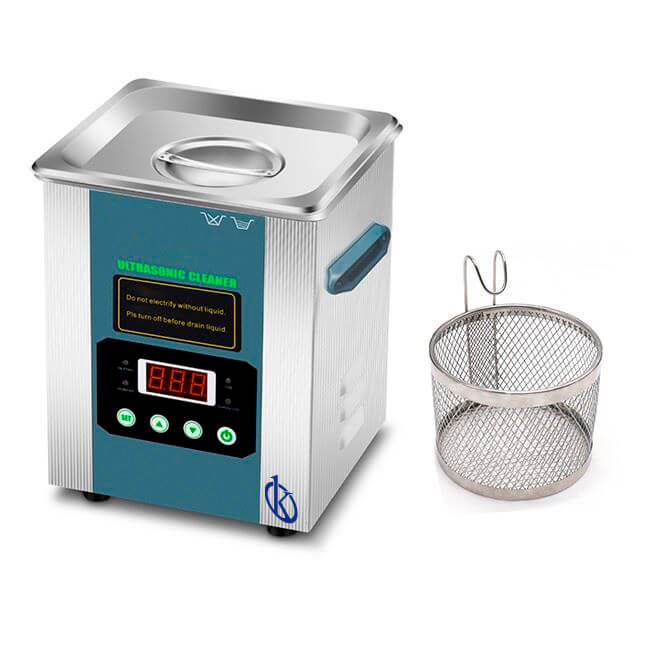
Digital Display Ultrasonic Cleaners: Predictive Maintenance and Recommended Calibration Strategies 2026
In today’s laboratory environment, the efficiency and reliability of equipment such as digital display ultrasonic cleaners are critical. The focus of this article is to explore predictive maintenance and recommended calibration strategies to enhance the longevity and performance of these essential tools. This comprehensive insight aims to equip laboratory professionals with the knowledge necessary to implement effective maintenance protocols as well as calibration schedules.
Understanding Digital Display Ultrasonic Cleaners
Digital display ultrasonic cleaners are advanced devices that utilize ultrasonic waves to remove contaminants from various objects, including jewelry, medical instruments, and electronic components. Their effectiveness lies in their ability to penetrate crevices and complex geometries that traditional cleaning methods cannot reach. Regular maintenance and precise calibration of these devices are vital to ensure optimal performance and compliance with industry standards.
Importance of Predictive Maintenance
Predictive maintenance is a proactive approach that helps anticipate equipment failures before they occur. By utilizing data analytics and regular monitoring, laboratories can optimize their cleaning processes, reduce downtime, and extend the lifespan of their ultrasonic cleaners. This section delves into the methods of implementing predictive maintenance in your laboratory.
Failure Modes in Ultrasonic Cleaners
Understanding potential failure modes such as transducer failure, electronic malfunction, and fluid quality degradation is essential. By analyzing these failure modes, labs can develop specific strategies to mitigate risks and ensure consistent operation.
Calibration Intervals and Techniques
Regular calibration is crucial for maintaining the accuracy of ultrasonic cleaners. The recommended calibration interval typically ranges from 6 to 12 months, depending on usage and manufacturer's guidelines. Implementing a structured calibration schedule can help in adhering to both internal and external quality standards.
Recommended Calibration Strategies
Calibration strategies are essential to verify that ultrasonic cleaners operate within the required specifications. In this section, we will discuss various calibration methods and their importance in ensuring compliance with industry standards.
Traceable Standards for Calibration
Using traceable standards during calibration ensures that measurements are reliable and compliant with regulatory requirements. Laboratories can utilize certified cleaning solutions and standards specific to ultrasonic cleaning to validate performance metrics.
Preventive vs. Predictive Calibration Strategies
While preventive strategies focus on scheduled maintenance and replacement, predictive strategies rely on real-time data and analytics to inform maintenance decisions. This section outlines how integrating predictive calibration can lead to better resource allocation and improved operational efficiency.
Comparison of Available Models
| Model | Capacity (L) | Power (W) | Weight (kg) | Price (USD) |
|---|---|---|---|---|
| YR05208 | 2 | 70 | 2.6 | 45.00 |
| YR05209 | 2 | 70 | 2.7 | 47.00 |
| YR05212 | 4.5 | 180 | 5.6 | 109.00 |
| YR05213 | 6.8 | 180 | 6.2 | 116.00 |
| YR05214 | 11 | 240 | 8.5 | 156.00 |
| YR05215 | 15 | 360 | 11.5 | 202.00 |
Common Mistakes and How to Avoid Them
When it comes to maintaining digital display ultrasonic cleaners, several common mistakes can lead to decreased performance and compliance issues. Understanding these pitfalls can help laboratory professionals implement better practices.
Neglecting Regular Maintenance
One of the most common mistakes is neglecting regular maintenance schedules. Failing to perform routine checks can result in unnoticed malfunctions, leading to costly repairs and downtime. Establishing clear maintenance protocols can mitigate this issue.
Using Incorrect Cleaning Solutions
Using non-compatible cleaning solutions can damage ultrasonic cleaners and lead to ineffective cleaning. It is essential to follow the manufacturer's recommendations for cleaning solutions to ensure optimal performance and longevity.
Frequently Asked Questions
How can predictive maintenance improve the performance of digital display ultrasonic cleaners in 2026?
Predictive maintenance utilizes data analytics to predict failures, which can significantly enhance the performance of digital display ultrasonic cleaners like YR05209. By implementing these methods, labs can expect reduced downtime and improved cleaning efficiency, ultimately leading to cost savings.
What are the recommended calibration intervals for ultrasonic cleaners in laboratory settings?
For ultrasonic cleaners such as the YR05212, recommended calibration intervals typically fall between 6 to 12 months. Adhering to these intervals ensures compliance with industry standards and maintains the reliability of cleaning processes.
Which digital display ultrasonic cleaner model is best for heavy-duty laboratory use?
The YR05215 model is best suited for heavy-duty laboratory use due to its 15L capacity and 360W power. This model can handle larger cleaning tasks effectively while maintaining optimal performance standards.
How does calibration impact the cleaning efficiency of ultrasonic cleaners?
Calibration directly impacts the cleaning efficiency of ultrasonic cleaners, such as the YR05214. Proper calibration ensures that the ultrasonic waves operate within the required frequency and power range, crucial for effective cleaning results.
What maintenance practices should be implemented for ultrasonic cleaners?
Regular maintenance practices for ultrasonic cleaners, including the YR05213, should include cleaning the tank, checking transducers, and verifying power settings. These practices ensure prolonged equipment life and consistent cleaning quality.
How often should ultrasonic cleaners be serviced for optimal performance?
Ultrasonic cleaners like the YR05208 should ideally be serviced every 6 to 12 months. This service schedule helps identify potential issues before they escalate, ensuring the equipment operates efficiently and effectively.
What factors affect the choice of an ultrasonic cleaner for a lab?
Factors such as capacity, power, and specific cleaning needs will affect the choice of an ultrasonic cleaner. For instance, the YR05215 is highly recommended for labs needing robust cleaning solutions due to its higher capacity and power.
How can energy consumption be minimized in ultrasonic cleaners?
To minimize energy consumption in ultrasonic cleaners like the YR05212, laboratories can implement energy-efficient cleaning cycles, use appropriately sized tanks, and ensure regular maintenance to prevent excessive power use.
If you are looking for a fusion of innovation and quality, you have come to the right place. At Kalstein, we offer you the luxury of exploring our exclusive catalog of laboratory equipment. We manufacture every device to the highest standards of excellence. Our intuitive and seamless online purchasing channels are designed for your convenience, securing the most competitive prices. Hesitate no longer — we bring science to life, it is time to become part of our community.