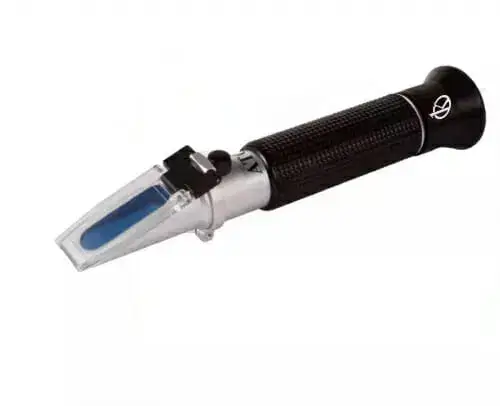
Digital Clinical Refractometers: Best Techniques and Protocols 2026
What is it used for in 2026
Digital clinical refractometers are essential tools in modern laboratories, particularly for analyzing the refractive index of liquids, determining the concentration of solutes, and assessing various liquid properties. In 2026, these instruments are utilized in clinical, veterinary, and research laboratories to swiftly and accurately measure parameters such as urine specific gravity, total serum protein, and refractive index for various fluids. Their ability to provide real-time results with minimal sample preparation makes them invaluable for quick diagnostics.
History and evolution of the technology
The evolution of refractometry dates back to the early 19th century when the first refractometer was invented. Over the decades, advancements in optics and electronic measurement technologies have led to the development of digital clinical refractometers. The transition from analog to digital devices has enhanced accuracy, ease of use, and data interpretation. In recent years, features like automatic temperature compensation (ATC) and improved ergonomic designs have further refined the functionality of these instruments.
How to use it step by step
Using a digital clinical refractometer involves several straightforward steps:
- Preparation: Ensure the device is clean and free from previous samples. Turn on the refractometer and allow it to warm up if required.
- Calibration: Calibrate the refractometer using distilled water or a calibration standard according to the manufacturer's instructions.
- Sample application: Place a small drop of the sample on the measurement prism. Ensure even distribution to avoid air bubbles.
- Measurement: Close the cover and wait for the reading to stabilize. Note the value displayed on the screen.
- Record data: Document the results and repeat the measurement if necessary for accuracy.
- Clean-up: After use, clean the prism with distilled water and a soft cloth.
Best techniques and protocols
In 2026, several best practices have emerged for using digital clinical refractometers effectively:
- Implement routine calibration to maintain accuracy.
- Use consistent sample volumes to ensure comparability of results.
- Keep the refractometer at a stable temperature to minimize fluctuations in readings.
- Follow proper cleaning protocols to prevent contamination between samples.
- Train laboratory personnel on correct usage techniques to reduce human error.
Practical applications by laboratory type
Digital clinical refractometers have a variety of applications across different laboratory settings:
Clinical Laboratories:
Used for assessing urine specific gravity, aiding in the diagnosis of renal function.
Veterinary Laboratories:
Enables veterinarians to evaluate animal health by measuring serum protein levels and urine density.
Research Laboratories:
Facilitates the analysis of biochemical solutions and assists in various experiments requiring precise fluid measurements.
Regulations, standards and certifications
In 2026, digital clinical refractometers must comply with various regulations and standards, including ISO and CE certifications. These guidelines ensure the devices meet safety, performance, and reliability criteria. Laboratories should regularly audit their equipment to ensure compliance with local and international standards.
Comparison with alternative technologies
While digital clinical refractometers are highly effective, it's essential to compare them with alternative technologies:
- Traditional Refractometers: Offer manual readings and may lack some advanced features like ATC, making them less user-friendly.
- Hydrometers: Used for specific gravity measurements but can be less precise and more cumbersome for varied liquid types.
- Optical Sensors: Can provide similar measurements but are usually more complex and expensive.
Comparison of available models
| Model | Best for | Key specs | Recommended use case |
|---|---|---|---|
| YR05915 | Clinical and veterinary use | ATC, 0-12g/dl, 1.000-1.050sg, 1.3300RI-1.3600RI | Measuring urine SG and serum total protein |
| YR05966 | Veterinary and human serum | 1.000-1.050sg, 0.001 min div, ±0.002 precision | Routine protein level checks in blood and urine |
| YR05967 | Veterinary and human serum | 0-12.1g/dl, 0.1 min div, ±0.2 precision | Measuring serum protein levels |
| YR05968 | Veterinary and human serum | 1.3330-1.3900nD, 0.0001nD min div, ±0.0003nD precision | Assessing refractive index for biochemical solutions |
Common mistakes and how to avoid them
Some common mistakes when using digital clinical refractometers include:
- Inadequate calibration: Regularly calibrate your device to ensure accuracy.
- Ignoring temperature effects: Always account for temperature variations, as they can significantly affect readings.
- Sample contamination: Ensure proper cleaning between measurements to avoid cross-contamination.
Maintenance, calibration and good practices 2026
To maintain optimal performance for digital clinical refractometers:
- Perform regular calibration using certified standards.
- Clean the measurement prism with distilled water and a soft cloth after each use.
- Store the device in a protective case to prevent damage.
- Follow the manufacturer's guidelines for battery replacement and other maintenance tasks.
Cost-benefit analysis 2026
In the context of modern laboratory operations, digital clinical refractometers provide an excellent return on investment. Their accuracy, speed, and ease of use lead to increased productivity and efficient workflows. The initial cost is often offset by the reduction in time and labor associated with manual measurements, making them a cost-effective choice for laboratories in 2026.
Frequently asked questions
What factors should I consider when choosing a digital clinical refractometer?
Consider measurement range, accuracy, ease of use, and specific applications relevant to your laboratory needs.
How often should I calibrate my refractometer?
Calibration is recommended before each use or at least once a day when measuring critical samples.
What are the best practices for cleaning a refractometer?
Use distilled water and a soft cloth to clean the prism after each sample. Avoid abrasive materials that could scratch the surface.
Can a digital refractometer be used for various liquid types?
Yes, modern digital refractometers can measure a wide range of liquids, but it's essential to verify the specifications for each model.
What should I do if the readings seem inaccurate?
Check calibration, ensure the device is clean, and confirm that you are using the correct sample volume and type.
Are digital refractometers suitable for field use?
Many models are designed to be portable and durable, making them suitable for both laboratory and field use.
How can I request a quote for these instruments?
You can request a quote through our website or contact our sales team directly for further assistance.
If you are looking for a fusion of innovation and quality, you have come to the right place. At Kalstein, we offer you the luxury of exploring our exclusive catalog of laboratory equipment. We manufacture every device to the highest standards of excellence. Our intuitive and seamless online purchasing channels are designed for your convenience, securing the most competitive prices. Hesitate no longer — we bring science to life, it is time to become part of our community.