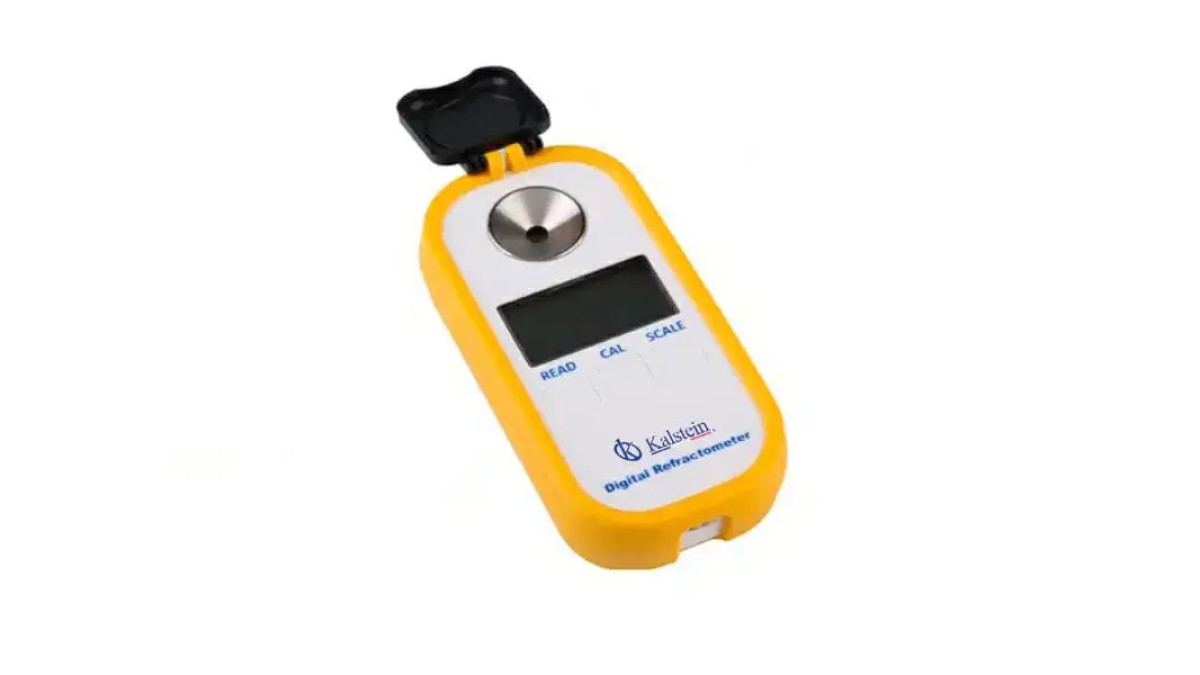
Digital BRIX Refractometers: Practical Applications and Techniques 2026
As laboratory professionals navigate the complexities of various measurement instruments, understanding the Digital BRIX Refractometer becomes essential. This device is pivotal in food and beverage analysis, especially in monitoring sugar concentrations in liquid samples. This article serves as a comprehensive guide on the usage, applications, and best practices associated with Digital BRIX Refractometers.
What is it used for in 2026
In 2026, Digital BRIX Refractometers are primarily utilized in laboratories to measure the concentration of soluble solids, particularly sugars, in aqueous solutions. They find significant applications in the food and beverage industry, especially in products such as fruit juices, syrups, and beverages, where accurate sugar content is crucial for quality control and product formulation. Furthermore, these refractometers support various sectors including brewing, winemaking, and dairy processing, ensuring products meet the necessary specifications and regulatory standards.
History and evolution of the technology
The evolution of refractometry dates back to the 19th century with the advent of traditional optical refractometers. Over the years, the technology has transitioned from manual to digital, enhancing accuracy and ease of use. The introduction of digital models revolutionized the field, enabling more precise measurements and automatic temperature compensation (ATC). In recent years, advancements in microelectronics and sensor technology have further refined the capability of Digital BRIX Refractometers, making them an indispensable tool in modern laboratories.
How to use it step by step
- Calibration: Begin by calibrating the refractometer using a standard solution with known sugar content. Ensure the device is set to the correct temperature.
- Sample Preparation: Prepare your liquid sample by removing bubbles, which can affect measurement accuracy. Ensure it's at room temperature.
- Measurement: Place a few drops of the sample on the prism of the refractometer. Close the cover and allow it to stabilize for a few seconds.
- Reading: Read the measurement directly from the digital display. Ensure to note down the temperature and any necessary adjustments.
- Cleaning: After use, clean the prism with distilled water and a soft cloth to avoid cross-contamination between samples.
Best techniques and protocols
When using Digital BRIX Refractometers, adhere to the following best techniques:
- Always calibrate before taking measurements, preferably at the beginning of each day.
- Utilize fresh samples for each measurement to ensure accuracy.
- Regularly clean the prism and maintain the equipment according to the manufacturer's guidelines.
- Record environmental conditions, as temperature variations can affect readings.
- Use the device in a stable environment to avoid vibrations that could interfere with measurements.
Practical applications by laboratory type
Digital BRIX Refractometers can be effectively utilized across different laboratory environments:
- Food and Beverage Laboratories: For quality control of fruit juices, syrups, and soft drinks. Accurate sugar measurement ensures product consistency.
- Dairy Laboratories: In monitoring lactose levels in milk and dairy products, crucial for quality assurance.
- Brewing and Winemaking: To measure sugar content in wort and must, essential for fermentation monitoring.
- Academic Research Laboratories: For experiments involving sugar solutions and their properties.
Regulations, standards and certifications
Laboratories using Digital BRIX Refractometers must comply with various regulations and standards, including:
- ISO 9001 for quality management systems.
- ISO 17025 for testing and calibration laboratories.
- Food safety regulations such as HACCP or FDA guidelines concerning food products.
Comparison with alternative technologies
While Digital BRIX Refractometers are widely used, alternative technologies such as hydrometers and chromatographic methods exist:
- Hydrometers: Less expensive but less accurate than refractometers, requiring larger sample volumes and manual interpretation.
- Chromatography: Offers detailed compositional analysis but is more complex and costly, requiring specialized training to operate.
- Conductivity Meters: Used for some sugar measurements but do not provide the specificity of refractometers.
Comparison of available models
| Model | Best for | Key specs | Recommended use case |
|---|---|---|---|
| YR05944 | Measuring sugar content in various beverages | Brix: 0.0-50.0% / Refractive index: 1.3330-1.4200nD | Ideal for fruit juices and soft drinks |
| YR05945 | General sugar concentration testing | Brix: 0.0-90.0% | Suitable for syrups and high sugar content solutions |
| YR05946 | Comprehensive sugar content and refractive index measurement | Refractive index: 1.3330-1.5177nD | Applicable in research settings |
| YR05947 | Measuring dextran concentration | Dextran: 0.0-10.6% | Best for assessing dextran in pharmaceuticals |
| YR05948 | Measuring fructose levels | Fructose: 0.0-68.9% | Suitable for products containing fructose |
| YR05949 | Glucose concentration analysis | Glucose: 0.0-59.9% | Ideal for diabetic research and food formulations |
Common mistakes and how to avoid them
Many users encounter pitfalls when operating Digital BRIX Refractometers. Common mistakes include:
- Inaccurate Calibration: Failing to calibrate before measurements leads to erroneous results. Always calibrate with a standard solution.
- Not Cleaning the Prism: Residues from previous samples can contaminate readings. Clean the prism after each use.
- Ignoring Temperature Effects: Not accounting for temperature can skew results. Use the ATC feature whenever available.
- Using Incompatible Samples: Avoid measuring solutions with non-soluble solids or particulate matter that can block the prism.
Maintenance, calibration and good practices 2026
Maintenance of Digital BRIX Refractometers includes regular calibration, cleaning, and proper storage:
- Calibrate daily using a standard solution before performing measurements.
- Clean the optical components after every use with distilled water and a soft cloth to prevent cross-contamination.
- Store the device in a protective case to avoid physical damage.
- Periodically check for software updates or device firmware to ensure optimal performance.
Cost-benefit analysis 2026
When considering the acquisition of a Digital BRIX Refractometer, evaluate the following cost-benefit aspects:
- Initial Cost: While the upfront cost may be significant, the accuracy and efficiency gained can lead to cost savings on raw materials and waste reduction.
- Labor Efficiency: The quick measurements provided by digital refractometers can significantly reduce labor time in quality control processes.
- Long-term Reliability: Investing in high-quality refractometers minimizes the risk of costly errors in product formulation and regulatory compliance.
Frequently asked questions
What should I consider when choosing a Digital BRIX Refractometer?
Consider factors such as measurement range, accuracy, automatic temperature compensation, and specific applications relevant to your industry when selecting a refractometer.
How often should I calibrate my refractometer?
It is recommended to calibrate your refractometer at least once daily or before each batch of measurements to ensure accuracy.
Can I use the refractometer for non-liquid samples?
No, Digital BRIX Refractometers are designed specifically for liquid solutions. Non-liquid samples can damage the optical components and yield inaccurate readings.
How can I maintain my Digital BRIX Refractometer?
Regularly clean the prism after use, calibrate before measurements, and store the device in a protective case to prolong its life.
What common issues can arise during measurements?
Common issues include inaccurate readings due to contamination, temperature variations affecting results, and improper sample preparation. Always follow best practices to mitigate these.
Is it necessary to use distilled water when cleaning the prism?
Yes, using distilled water prevents mineral deposits on the prism that can affect accuracy and clarity.
Can I request a quote for purchasing a Digital BRIX Refractometer?
Absolutely! You can request a quote directly through our platform for the best pricing and service.
If you are looking for a fusion of innovation and quality, you have come to the right place. At Kalstein, we offer you the luxury of exploring our exclusive catalog of laboratory equipment. We manufacture every device to the highest standards of excellence. Our intuitive and seamless online purchasing channels are designed for your convenience, securing the most competitive prices. Hesitate no longer — we bring science to life, it is time to become part of our community.