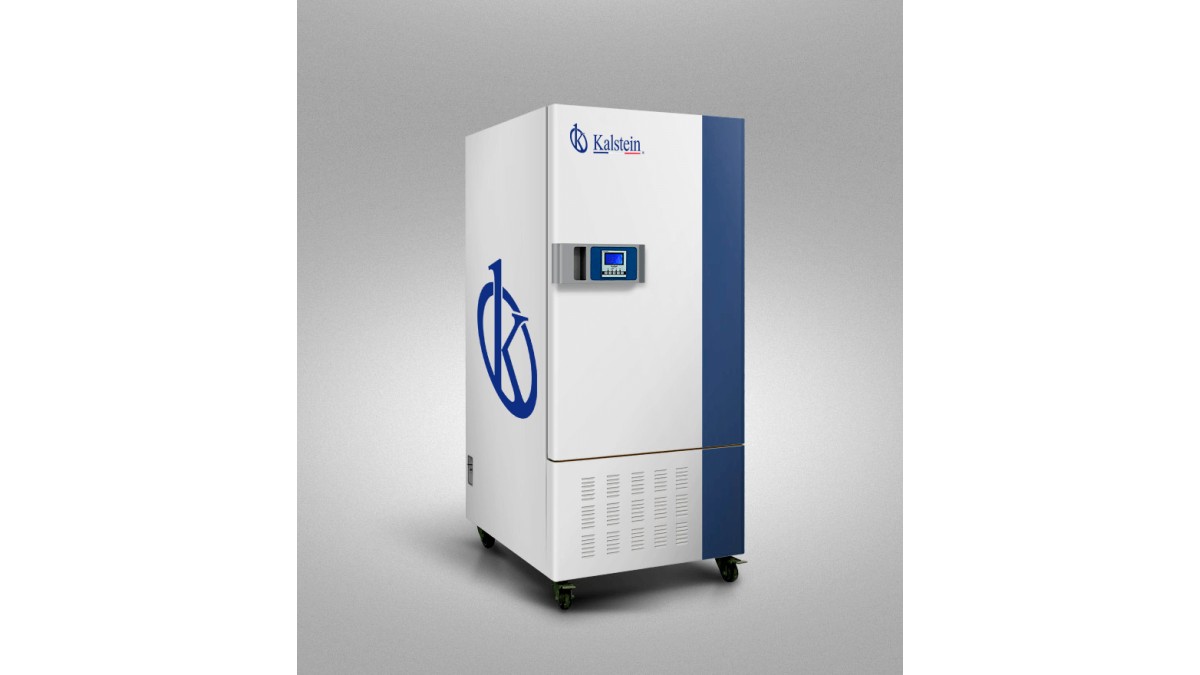
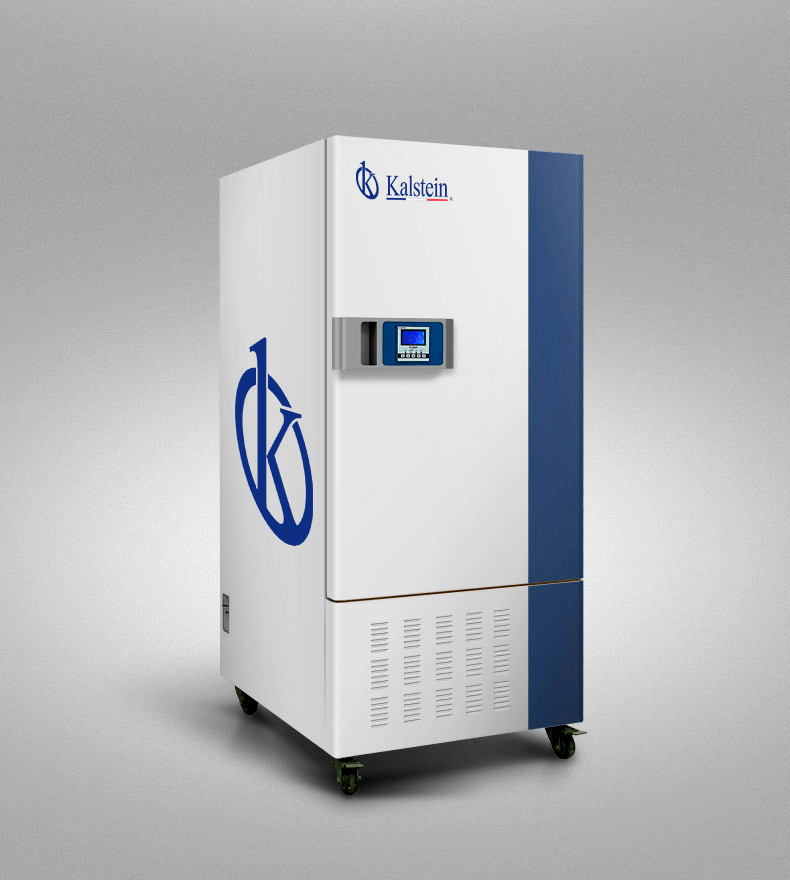
Constant Temperature and Humidity Chambers: Practical Applications and Techniques 2026
What is it used for in 2026
Constant Temperature and Humidity Chambers are utilized in various fields, particularly in laboratories, to maintain specific environmental conditions. In 2026, these chambers are crucial for conducting tests that require stable thermal and moisture levels. Applications include testing product stability, performing accelerated aging tests, and conducting biological experiments that necessitate precise climate control. Industries such as pharmaceuticals, biotechnology, and agriculture heavily rely on these chambers for research and quality assurance.
History and evolution of the technology
The evolution of Constant Temperature and Humidity Chambers dates back to the early 20th century when initial models were simple and less efficient. Over the decades, advancements in technology have led to more sophisticated models equipped with digital controls, improved insulation, and enhanced temperature uniformity. The introduction of PID (Proportional-Integral-Derivative) controllers has marked a significant milestone in achieving precise environmental conditions. Today's chambers, such as the YR05334 to YR05339 models, incorporate advanced features that allow for programmable settings and real-time monitoring, making them indispensable in modern laboratories.
How to use it step by step
To use a Constant Temperature and Humidity Chamber effectively, follow these steps:
- Set Up: Place the chamber in a stable environment away from sunlight and drafts.
- Calibration: Before use, calibrate the chamber according to manufacturer instructions to ensure accuracy in temperature and humidity settings.
- Loading Samples: Ensure that samples are evenly distributed within the chamber for uniform exposure to controlled conditions.
- Programming the Chamber: Input the required temperature and humidity settings based on the specific test protocol.
- Monitoring: Regularly check the chamber's display to ensure that conditions are maintained as programmed.
- Data Logging: Utilize built-in data logging features to record environmental conditions throughout the testing period.
- Post-Test Procedures: After completing the test, document results and perform necessary maintenance on the chamber.
Best techniques and protocols
In 2026, the best practices for using Constant Temperature and Humidity Chambers include:
- Using a validated protocol for each type of sample to ensure reproducibility.
- Performing regular maintenance checks to ensure optimal performance and longevity.
- Implementing a systematic approach to data collection for better analysis and reporting.
- Utilizing the chamber’s features, such as programmable cycles and alarms, to enhance test efficiency.
Practical applications by laboratory type
Different laboratory types utilize Constant Temperature and Humidity Chambers in varied ways:
- Pharmaceutical Labs: Used for stability testing of drugs and formulations under controlled conditions.
- Biotechnology Labs: Suitable for growing microorganisms, plants, and conducting tissue culture experiments.
- Environmental Testing Labs: Used for assessing the effects of varying temperatures and humidity on materials and products.
Regulations, standards and certifications
Compliance with regulations and standards is critical when using Constant Temperature and Humidity Chambers. In 2026, laboratories must adhere to guidelines set by organizations like GLP (Good Laboratory Practice) and ISO (International Organization for Standardization). These regulations ensure that equipment meets safety and performance standards, thus enhancing the reliability of laboratory testing.
Comparison with alternative technologies
While Constant Temperature and Humidity Chambers are widely used, there are alternative technologies including:
- Environmental Test Chambers: These chambers can simulate a wider range of environmental conditions beyond just temperature and humidity.
- Refrigerated Incubators: Generally used for biological samples that require low temperatures but do not have the same humidity control.
However, Constant Temperature and Humidity Chambers offer specific advantages such as precise control over both parameters, making them more suitable for tests requiring stringent conditions.
Comparison of available models
| Model | Best for | Key specs | Recommended use case |
|---|---|---|---|
| YR05334 | Stability testing | Temperature range: 0~60℃, Humidity range: 40~95% | Pharmaceutical stability studies |
| YR05335 | Aging tests | Temperature range: 0~60℃, Humidity range: 40~95% | Accelerated aging of materials |
| YR05336 | Biological experiments | Temperature range: 0~60℃, Humidity range: 40~95% | Microbial culture conditions |
| YR05337 | Material testing | Temperature range: 0~60℃, Humidity range: 40~95% | Testing product durability |
| YR05338 | Seed germination | Temperature range: 0~60℃, Humidity range: 40~95% | Agricultural research |
| YR05339 | Long-term experiments | Temperature range: 0~60℃, Humidity range: 40~95% | Longitudinal biological studies |
Common mistakes and how to avoid them
Common mistakes in using Constant Temperature and Humidity Chambers include:
- Inadequate calibration: Always calibrate before use to ensure accuracy.
- Overloading the chamber: Follow the manufacturer's guidelines regarding sample weight and placement.
- Ignoring maintenance schedules: Regular checks and maintenance prolong equipment life.
By avoiding these pitfalls, laboratories can enhance reliability and efficiency in their testing processes.
Maintenance, calibration and good practices 2026
Regular maintenance and calibration are vital in 2026 to ensure the integrity of Constant Temperature and Humidity Chambers. Recommended practices include:
- Monthly calibration checks for temperature and humidity.
- Routine cleaning of the chamber to prevent contamination.
- Using distilled water in humidifying systems to avoid mineral buildup.
Adhering to these practices ensures optimal performance and compliance with laboratory standards.
Cost-benefit analysis 2026
The investment in Constant Temperature and Humidity Chambers is justified by the numerous benefits they offer. A cost-benefit analysis in 2026 highlights:
- Increased accuracy in testing leads to higher product reliability.
- Reduction in product waste due to improved stability testing.
- Time savings from efficient, automated processes reduce labor costs.
Overall, the long-term gains in quality and efficiency often outweigh the initial costs of these chambers.
Frequently asked questions
What is the ideal temperature and humidity setting for stability testing?
The ideal settings can vary based on the specific product being tested, but a common range for stability testing is between 25-30℃ with a humidity of 60-70% for optimal results.
How often should I calibrate my Constant Temperature and Humidity Chamber?
Calibration should be performed at least once a month, or more frequently if the chamber is used for critical applications that require utmost precision.
Can I use these chambers for long-term experiments?
Yes, Constant Temperature and Humidity Chambers are designed for long-term experiments, provided they are monitored and maintained properly throughout the testing duration.
What are the key factors to consider when selecting a model?
Consider the required temperature and humidity ranges, the specific applications for your laboratory work, and any additional features such as programmability or data logging capabilities.
Is there a difference between forced convection and natural convection in these chambers?
Yes, forced convection provides more uniform temperature distribution and faster recovery times after door openings compared to natural convection. Forced convection is generally recommended for more precise applications.
How can I avoid contamination in my samples inside the chamber?
Ensure that all samples are sealed appropriately, maintain cleanliness inside the chamber, and regularly clean surfaces to minimize the risk of contamination.
Where can I request a quote for Constant Temperature and Humidity Chambers?
You can request a quote on Kalstein Plus, where you will find competitive prices and exceptional service tailored to meet your laboratory needs.
If you are looking for a fusion of innovation and quality, you have come to the right place. At Kalstein, we offer you the luxury of exploring our exclusive catalog of laboratory equipment. We manufacture every device to the highest standards of excellence. Our intuitive and seamless online purchasing channels are designed for your convenience, securing the most competitive prices. Hesitate no longer — we bring science to life, it is time to become part of our community.