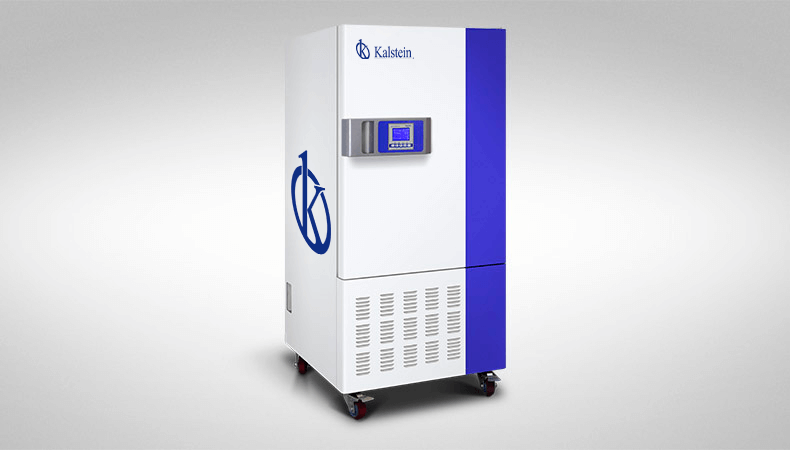
Comprehensive Drug Stability Test Chambers: Applications in Research, Biotechnology, and Academia 2026
The Comprehensive Drug Stability Test Chambers are essential tools in laboratories focused on pharmaceuticals, biotechnology, and academic research. These chambers help evaluate the performance and longevity of medications under controlled environments, simulating various conditions.
What is it used for in 2026
In 2026, Comprehensive Drug Stability Test Chambers are primarily used to assess the stability of pharmaceuticals over extended periods. They create controlled environments to stabilize temperature, humidity, and light exposure, which is vital for pharmaceutical companies and researchers. These chambers are crucial for conducting accelerated testing, long-term trials, and ensuring compliance with regulatory standards.
History and evolution of the technology
The technology for stability testing has evolved significantly from simple environmental chambers to sophisticated devices equipped with advanced microprocessor controls. Initially, basic temperature and humidity controls were used. Over the years, innovations such as PID control systems and automated defrosting mechanisms have enhanced reliability and efficiency, making these chambers indispensable in pharmaceutical testing.
How to use it step by step
Using a Comprehensive Drug Stability Test Chamber involves the following steps:
- Preparation: Ensure that the chamber is clean and that all settings are calibrated.
- Loading Samples: Place the drug samples inside the chamber, ensuring proper spacing for airflow.
- Setting Parameters: Program the desired temperature, humidity, and light exposure parameters using the control interface.
- Monitoring: Regularly check the chamber conditions via the digital display or connected software.
- Data Collection: After testing, collect data for analysis, noting any changes in the samples.
- Reporting: Document findings in compliance with laboratory standards.
Best techniques and protocols
For optimum results, follow these best practices:
- Conduct preliminary tests to determine the most suitable conditions for the specific drug.
- Utilize data logging features for accurate record-keeping.
- Perform regular calibrations to maintain accuracy of environmental conditions.
- Implement a routine maintenance schedule to ensure longevity of the equipment.
Practical applications by laboratory type
Comprehensive Drug Stability Test Chambers have distinct applications across various laboratory settings:
- Pharmaceutical Labs: Used for stability testing of new drugs.
- Biotechnology Firms: Assists in developing biologics by testing stability under varying conditions.
- Academic Research: Facilitates research in drug formulation and development.
Regulations, standards and certifications
Comprehensive Drug Stability Test Chambers must adhere to various regulations, including:
- FDA guidelines for drug stability testing.
- ISO standards for laboratory equipment.
- Good Laboratory Practices (GLP) compliance.
Comparison with alternative technologies
While there are alternative technologies such as conventional environmental chambers, Comprehensive Drug Stability Test Chambers offer unique advantages:
- Precision: More accurate control of temperature and humidity.
- Data Logging: Enhanced capability for monitoring and logging data over time.
- Energy Efficiency: Designed with eco-friendly technologies.
Comparison of available models
| Model | Best for | Key specs | Recommended use case |
|---|---|---|---|
| YR05354 | Long-term drug stability testing | Temperature: 10~65 ℃ (with light); 0~60 ℃ (without light) | Testing new drug formulations under accelerated conditions |
| YR05355 | High-humidity drug testing | Humidity range: 50~90% HR | Research on drugs sensitive to moisture |
| YR05356 | Long-term exposure trials | Light range: 0~6000LX | Evaluating drug performance under prolonged lighting conditions |
Common mistakes and how to avoid them
Some common mistakes in using stability test chambers include:
- Improper calibration, leading to inaccurate results.
- Overloading the chamber, which can affect airflow and temperature uniformity.
- Failure to document conditions, causing data integrity issues.
Maintenance, calibration and good practices 2026
To ensure the longevity and accuracy of the chambers, implement the following maintenance practices:
- Regularly calibrate sensors and controls.
- Clean the interior surfaces to prevent contamination.
- Check seals and insulation for wear and tear.
Cost-benefit analysis 2026
Investing in Comprehensive Drug Stability Test Chambers provides significant benefits:
- Long-term savings from improved drug formulation success rates.
- Reduced risk of product failure in the market.
- Enhanced compliance with regulatory standards, minimizing legal risks.
Frequently asked questions
What are the key features to look for in a stability test chamber?
When choosing a stability test chamber, consider features like precise temperature and humidity control, data logging capabilities, and energy efficiency ratings.
How do I ensure accurate calibration of my drug stability chamber?
Regular calibration should be performed using traceable standards and verified with an external calibration service to ensure accuracy.
What types of drug formulations can be tested in these chambers?
Comprehensive Drug Stability Test Chambers are suitable for various drug formulations, including tablets, injectables, and biologics.
Can I use these chambers for environmental studies?
While primarily designed for drug stability testing, they can be adapted for environmental studies where controlled conditions are required.
What is the typical lifespan of a stability test chamber?
The lifespan can vary, but with proper maintenance, a stability test chamber can last around 10 to 15 years.
How often should I perform maintenance on the chamber?
Maintenance should be conducted at least once every six months, or more frequently based on usage and environmental conditions.
Where can I request a quote for purchasing a drug stability chamber?
You can request a quote on Kalstein Plus for competitive pricing and detailed product information.
If you are looking for a fusion of innovation and quality, you have come to the right place. At Kalstein, we offer you the luxury of exploring our exclusive catalog of laboratory equipment. We manufacture every device to the highest standards of excellence. Our intuitive and seamless online purchasing channels are designed for your convenience, securing the most competitive prices. Hesitate no longer — we bring science to life, it is time to become part of our community.