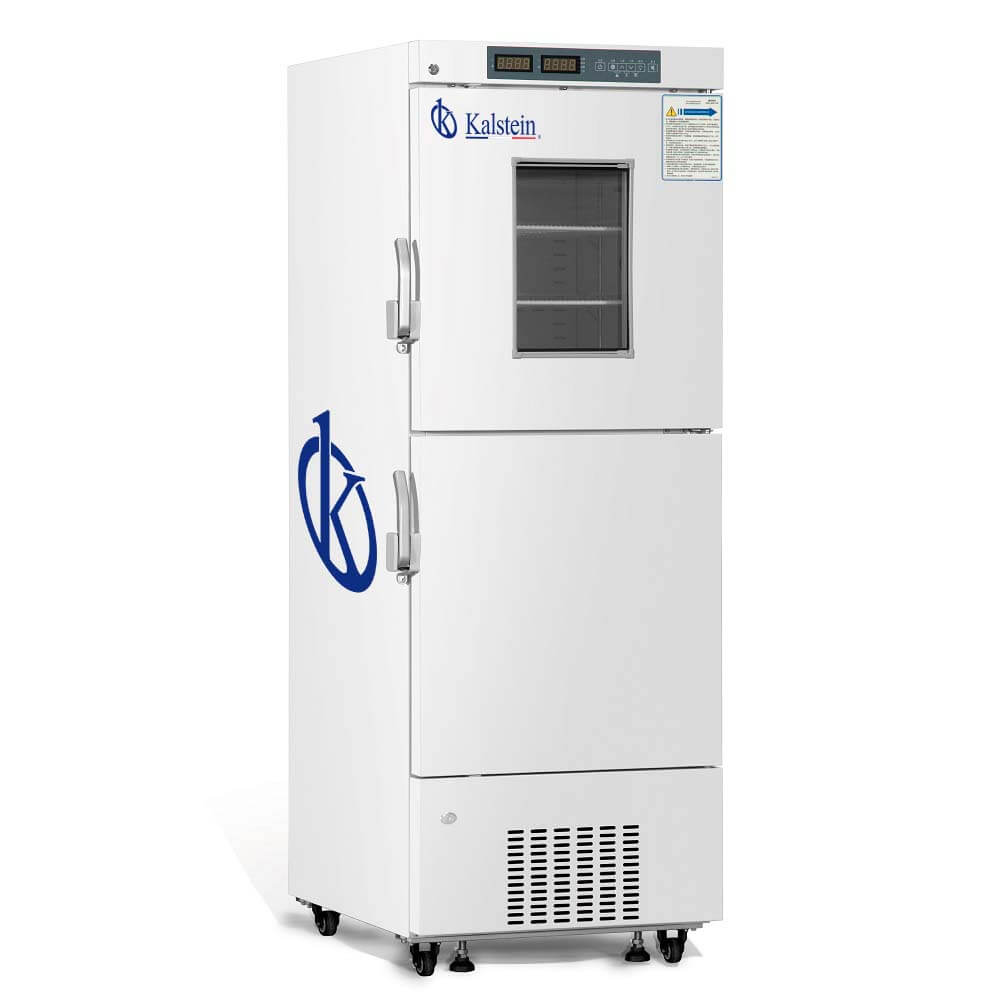
Combined Freezers: Practical Applications and Techniques 2026
What is it used for in 2026
Combined freezers are essential in modern laboratories and clinical settings, particularly for preserving biological materials such as blood plasma and vaccines. The requirement for precise temperature control and reliable storage solutions has grown alongside advancements in biopharmaceuticals and research. These devices are specifically designed to meet the needs of various laboratory applications, ensuring that vital samples remain viable and effective.
History and evolution of the technology
The technology behind combined freezers has evolved significantly since their inception. Initially, freezers were basic refrigeration units with limited temperature ranges. Over the years, innovations have introduced advanced features such as dual temperature zones, digital controls, and environmentally friendly refrigerants. The introduction of microprocessor-based temperature controllers has enhanced precision and reliability, making these units indispensable in contemporary laboratory practices.
How to use it step by step
Using a combined freezer efficiently involves several steps to ensure optimal performance and safety:
- Installation: Place the unit in a well-ventilated area, ensuring adequate space for airflow.
- Temperature Setting: Adjust the temperature settings according to the materials being stored; typically, the upper compartment is set between 2℃ and 8℃, while the lower compartment ranges from -20℃ to -40℃.
- Loading Samples: Organize samples in labeled containers to avoid contamination and ensure easy access.
- Monitoring: Continuously monitor temperature displays and alarms to detect any fluctuations.
- Maintenance: Regularly check seals and cleanliness to maintain operational efficiency.
Best techniques and protocols
To maximize the functionality of combined freezers, it is crucial to adopt best practices:
- Utilize appropriate storage containers designed for ultra-low temperatures.
- Adhere to a strict inventory management system to track samples effectively.
- Implement routine thawing protocols for any biological samples that require it, ensuring they are refrozen promptly to maintain integrity.
- Schedule regular maintenance checks to identify potential issues before they escalate.
Practical applications by laboratory type
Combined freezers find application across various laboratory types:
- Clinical Laboratories: For storing blood plasma and specimens needed for diagnostics.
- Pharmaceutical Labs: Essential for vaccine storage and maintaining the efficacy of various biochemical products.
- Research Institutions: Used for preserving biological samples crucial for ongoing research studies.
- Biobanks: Critical in storing genetic materials and other sensitive biological samples.
Regulations, standards and certifications
Combined freezers must comply with various regulations and standards, including:
- ISO 9001 for quality management systems.
- GMP (Good Manufacturing Practices) for pharmaceuticals.
- The CE mark for compliance with European health, safety, and environmental protection standards.
- FDA regulations for medical devices, ensuring safety and effectiveness.
Comparison with alternative technologies
Alternative technologies such as traditional freezers and cryogenic storage systems differ in several ways:
- Traditional Freezers: Generally have a single temperature zone and cannot accommodate the precise temperature requirements for sensitive biological materials.
- Cryogenic Storage: Typically used for long-term storage of samples at extremely low temperatures, but may not be feasible for day-to-day laboratory use.
- Combined Freezers: Offer flexibility with dual temperature zones and are suitable for various applications, making them a more versatile option.
Comparison of available models
| Model | Best for | Key specs | Recommended use case |
|---|---|---|---|
| YR05320 | Storing blood plasma and medicines | 368L, Direct cooling, Manual defrost | Ideal for pharmacy applications and research institutions needing reliable temperature control. |
| YR05321 | Clinical laboratories | R290 refrigerant, Dual display | Suitable for hospitals and blood stations, offering independent temperature control for both compartments. |
| YR05321-1 | Blood transfusion centers | Double chamber, Adjustable temperature | Best for transfusion services that require strict temperature management for blood products. |
Common mistakes and how to avoid them
Common pitfalls in using combined freezers include:
- Improper temperature settings can lead to sample degradation. Always verify settings before loading samples.
- Overloading the unit can impede airflow and affect cooling efficiency. Follow manufacturer recommendations for weight limits.
- Neglecting to monitor temperature regularly can result in unnoticed malfunctions. Implement automated alerts whenever possible.
Maintenance, calibration and good practices 2026
To ensure reliable operation, combined freezers should undergo regular maintenance:
- Schedule monthly cleaning of the interior and exterior surfaces.
- Calibrate temperature sensors biannually for accuracy.
- Inspect door seals and gaskets regularly to prevent air leaks.
- Maintain a log of all maintenance activities for accountability.
Cost-benefit analysis 2026
When evaluating the cost-effectiveness of combined freezers, consider:
- Initial investment versus long-term savings in sample integrity and reduced waste.
- Efficiency in energy consumption, which can significantly lower operational costs.
- Comparative pricing against other storage solutions and their limitations.
- Potential for enhanced research outputs due to reliable sample management.
Frequently asked questions
What should I consider when selecting a combined freezer?
Consider factors such as temperature range, capacity, energy efficiency, and specific applications in your laboratory to ensure it meets your needs.
How often should I perform maintenance on my combined freezer?
It is advisable to conduct maintenance checks monthly, with deeper inspections and calibrations every six months to ensure optimal functionality.
How do I ensure that samples are not compromised during storage?
Regularly monitor temperature settings, avoid overloading the freezer, and ensure proper organization of samples to minimize the risk of contamination or degradation.
Is it necessary to have a backup power source for combined freezers?
Yes, having a backup power source can safeguard against temperature fluctuations during power outages, ensuring the integrity of stored samples.
What additional features should I look for in a combined freezer?
Look for features such as digital displays, alarm systems for temperature deviations, and dual compartments for diverse storage needs.
Can combined freezers be used for non-biological samples?
While primarily designed for biological materials, some combined freezers can accommodate other temperature-sensitive samples; however, it's important to check compatibility.
How can I request a quote for a combined freezer?
You can request a quote by reaching out through our contact channels, providing details about your specific needs.
If you are looking for a fusion of innovation and quality, you have come to the right place. At Kalstein, we offer you the luxury of exploring our exclusive catalog of laboratory equipment. We manufacture every device to the highest standards of excellence. Our intuitive and seamless online purchasing channels are designed for your convenience, securing the most competitive prices. Hesitate no longer — we bring science to life, it is time to become part of our community.