COD/BOD Analyzers: LIMS Integration and Data Flow Digitalization Insights 2026
In the rapidly evolving landscape of laboratory technology, the integration of COD (Chemical Oxygen Demand) and BOD (Biochemical Oxygen Demand) analyzers with Laboratory Information Management Systems (LIMS) is proving to be a vital component for operational efficiency and data management. This article delves into the importance of integrating these analyzers with LIMS, highlighting the benefits and specific functionalities offered by various models available in 2026.
Understanding the Importance of COD/BOD Analyzer Integration with LIMS
The integration of COD/BOD analyzers with LIMS is crucial to streamline data management, improve traceability, and enhance workflow efficiency in laboratories. With strict regulations governing environmental testing, laboratories need to ensure accurate data reporting and compliance with standards. This integration facilitates real-time data acquisition, automated reporting, and improved data integrity.
Benefits of Digitalizing Data Flow with COD/BOD Analyzers
Digitalizing data flow through the integration of COD/BOD analyzers into LIMS enhances laboratory productivity and accuracy. This system minimizes manual data entry errors, providing a centralized platform for data storage and retrieval. Furthermore, it allows for efficient data analysis, reducing the turnaround time for reporting results, which is crucial for environmental monitoring and compliance.
Key Features of COD/BOD Analyzers for LIMS Integration
When choosing a suitable COD/BOD analyzer for integration with LIMS, several features should be considered, including connectivity options, compatibility with various protocols, and ease of data transfer. These features significantly impact the overall efficiency of laboratory operations and the quality of data management.
Comparison of Available Models
| Model | Connectivity | Protocols Supported | Integration Effort | Best For |
|---|---|---|---|---|
| YR06295 | USB | ASTM | Moderate | Fixed laboratory setups |
| YR06296 | Micro USB | Custom protocols | Easy | Field testing |
| YR06297 | LAN | REST | High | High throughput labs |
| YR06298 | None | NA | Low | Digestive processes |
Common Mistakes and How to Avoid Them
When integrating COD/BOD analyzers with LIMS, laboratories often overlook the importance of selecting the right connectivity options and protocols. Poor integration can lead to data loss, inaccuracies, and compliance issues. To avoid these pitfalls, it is essential to thoroughly evaluate the analyzer's compatibility with existing LIMS and ensure that user training is prioritized during implementation.
Exploring Specific Models of COD/BOD Analyzers
Several models of COD/BOD analyzers stand out for their capabilities and ease of integration with LIMS:
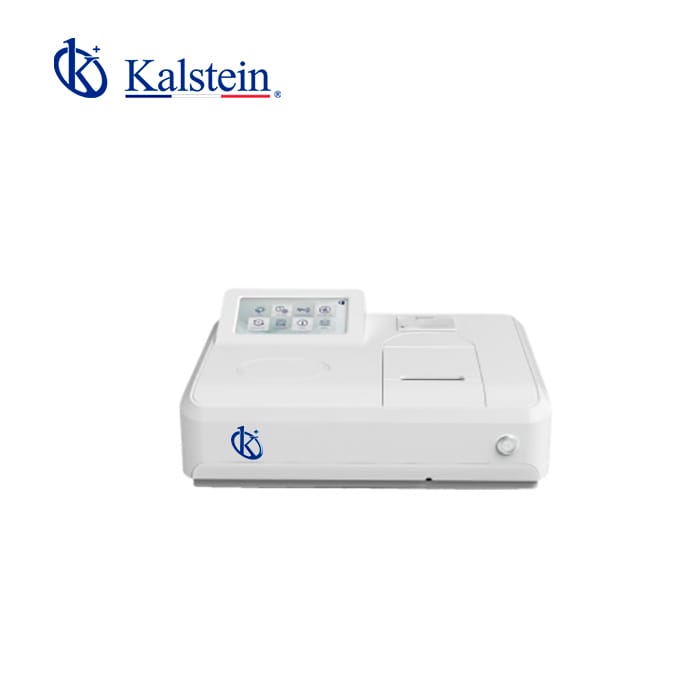
COD Analyzer YR06295
The YR06295 model features rapid digestion spectrophotometry, making it ideal for high-volume testing. Its user-friendly interface and automatic measurement function significantly enhance data accuracy and reduce preparation time. The built-in standard curve feature simplifies the analysis process.
COD Analyzer Portable YR06296
This portable model is perfect for field applications. Its lightweight design and battery-operated functionality provide flexibility and convenience. The YR06296 is known for its precise readings and ease of use, making it an excellent choice for environmental sampling.
BOD Analyzer YR06297
The YR06297 model sets itself apart with its six independent channels, allowing simultaneous testing of samples without interference. This feature is particularly beneficial for laboratories looking to improve throughput and efficiency in BOD testing.
Digestion Instrument YR06298
The YR06298 is designed for laboratories needing a robust digestion process. With its extensive temperature and timing controls, this instrument ensures accurate digestion conditions, essential for reliable COD and BOD results.
Frequently Asked Questions
How do I ensure my COD/BOD analyzer integrates with LIMS effectively in 2026?
To ensure effective integration of your COD/BOD analyzer with LIMS, select a model with compatible connectivity options, like the YR06295, which uses USB. Verify it supports necessary protocols such as ASTM, and ensure proper training for staff during the implementation phase.
What are the key benefits of using a LIMS-integrated BOD analyzer like YR06297?
A LIMS-integrated BOD analyzer, such as the YR06297, offers real-time data management, enhanced traceability, and compliance with regulatory standards. This integration allows for automated reporting, reducing human error and speeding up the analysis process.
Which connectivity options are best for COD/BOD analyzers in lab settings?
For lab settings, models like the YR06297 with LAN connectivity are optimal for high-throughput environments. They facilitate seamless data transfer to LIMS, ensuring efficient operations and data integrity. Choose analyzers based on your lab’s specific connectivity needs.
How can I improve data accuracy with my COD analyzer in 2026?
Improving data accuracy with your COD analyzer in 2026 can be achieved by using the YR06295, which features automatic measurement functions and a built-in standard curve. Regular calibration and adherence to proper sampling protocols also play a critical role in maintaining accuracy.
What are the costs associated with integrating a COD/BOD analyzer with LIMS?
The costs associated with integrating a COD/BOD analyzer can vary. For instance, the YR06295 retails at $600. Additional costs may include software updates, training, and potential infrastructure upgrades required for seamless connectivity.
How does a portable COD analyzer like YR06296 enhance field testing efficiency?
A portable COD analyzer like the YR06296 enhances field testing efficiency by offering easy transport and battery operation. This flexibility allows environmental technicians to perform tests on-site, ensuring timely data collection and analysis, crucial for compliance purposes.
What are the essential features to look for in a BOD analyzer for LIMS integration?
Essential features include multiple channel testing, such as in the YR06297, which allows simultaneous sample analysis, and compatibility with various data protocols. These features ensure efficient operation and robust data management when integrating with LIMS.
How can I choose the best COD/BOD analyzer model for my laboratory needs?
Choosing the best COD/BOD analyzer model involves assessing your laboratory's testing volume, required precision, and integration capabilities. Models like the YR06295 and YR06297 stand out for their reliability and integration features, catering to diverse laboratory environments.
If you are looking for a fusion of innovation and quality, you have come to the right place. At Kalstein, we offer you the luxury of exploring our exclusive catalog of laboratory equipment. We manufacture every device to the highest standards of excellence. Our intuitive and seamless online purchasing channels are designed for your convenience, securing the most competitive prices. Hesitate no longer — we bring science to life, it is time to become part of our community.