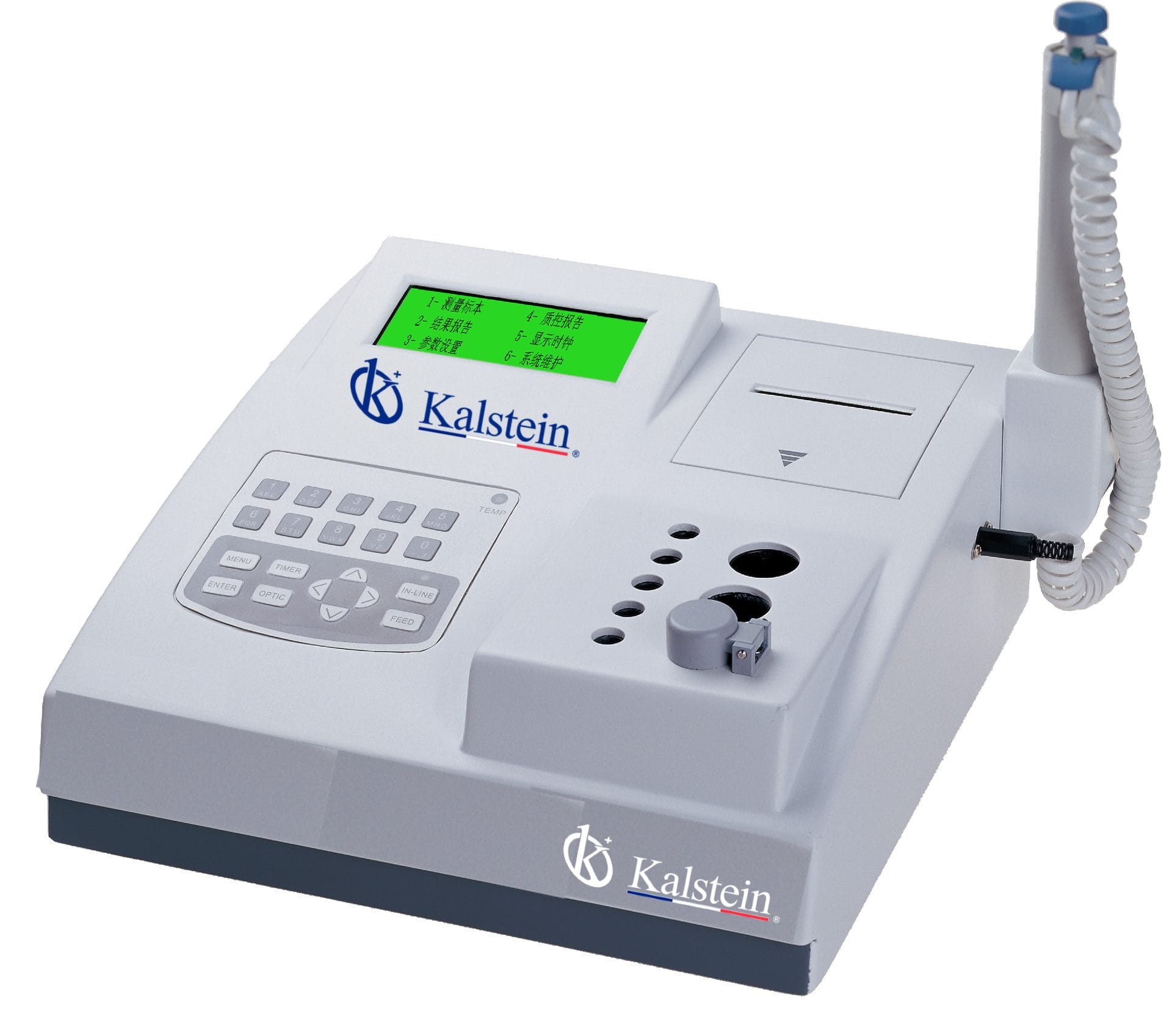
Coagulation Analyzers: Practical Applications and Techniques 2026
Coagulation analyzers play a crucial role in laboratories, particularly in research, biotechnology, and academic settings. This article serves to inform laboratory professionals about how to effectively use coagulation analyzers in 2026, their applications, techniques involved, and best practices to enhance laboratory workflows.
What is it used for in 2026
Coagulation analyzers are instrumental in various laboratory settings, particularly in the assessment of blood coagulation pathways. In 2026, these devices are widely used for diagnosing bleeding disorders, monitoring anticoagulant therapy, and conducting research on hemostatic functions. They provide precise measurements of parameters such as prothrombin time (PT), activated partial thromboplastin time (APTT), and fibrinogen levels.
History and evolution of the technology
The evolution of coagulation analyzers began in the early 20th century with manual methods to measure clotting times. Over the decades, advancements in optical technology and automation have led to sophisticated devices capable of processing multiple samples with high precision. The introduction of open reagent systems has further allowed laboratories to customize their testing processes, improving efficiency and reducing costs.
How to use it step by step
Using a coagulation analyzer involves several steps to ensure accurate results:
- Preparation: Gather all necessary materials, including patient samples and reagents. Ensure that all components are calibrated and functioning.
- Sample Loading: Load the samples into the analyzer’s designated wells according to the manufacturer’s instructions.
- Entering Parameters: Input the test parameters into the system, including test type and patient identification.
- Running the Test: Initiate the test operation and monitor for any alerts or issues during the process.
- Result Interpretation: Once tests are completed, analyze the results. The coagulation analyzer will provide data on PT, APTT, and other relevant parameters.
- Documentation: Document the results for each test in the laboratory information system for future reference.
Best techniques and protocols
To achieve reliable results, laboratories should adhere to standardized protocols for coagulation testing:
- Calibration: Regularly calibrate the analyzer using control samples to ensure accuracy.
- Sample Handling: Follow proper guidelines for collecting and storing blood samples to prevent clotting before analysis.
- Reagent Management: Use high-quality reagents and monitor their expiration dates to maintain testing integrity.
- Quality Control: Implement routine quality control checks with control solutions to validate test results.
Practical applications by laboratory type
Coagulation analyzers are utilized in various laboratory environments, including:
- Clinical Laboratories: For routine coagulation tests and monitoring anticoagulant therapy.
- Research Laboratories: For studies focused on hemostasis and the development of new anticoagulants.
- Biotechnology Firms: In the development of diagnostic tests and therapeutic agents related to coagulation disorders.
- Academic Institutions: For teaching students about coagulation processes and laboratory techniques.
Regulations, standards and certifications
In 2026, laboratories using coagulation analyzers must comply with several regulations and standards, including:
- CLIA: Clinical Laboratory Improvement Amendments, which set standards for laboratory testing.
- ISO 15189: International standard for quality management systems specific to medical laboratories.
- FDA Regulations: Ensuring that medical devices are safe and effective for public use.
Comparison with alternative technologies
Coagulation analyzers stand out compared to alternative technologies like manual testing methods due to their speed, accuracy, and ability to process multiple samples simultaneously. In contrast, traditional methods often require significant time and manual intervention, which can lead to human error.
Comparison of available models
| Model | Best for | Key specs | Recommended use case |
|---|---|---|---|
| YR05117 | Routine coagulation tests | Weight: 5 kg, Price: $750.00 | Small to medium clinical labs for basic coagulation analysis. |
| YR05118 | Advanced coagulation analysis | Weight: 5 kg, Price: $600.00 | Clinical settings requiring multiple test channels. |
| YR06083 | High throughput testing | Weight: 110 kg, Price: $13,000.00 | Large clinical laboratories needing rapid results. |
| YR06082 | Versatile testing | Weight: 53 kg, Price: $6,800.00 | Biotechnology firms and academic settings for diverse applications. |
Common mistakes and how to avoid them
Laboratories may encounter several common mistakes when using coagulation analyzers, which can be mitigated by following best practices:
- Incorrect Sample Handling: Always follow guidelines for blood sample collection and storage to avoid pre-analytical errors.
- Neglecting Calibration: Regularly calibrate the analyzer to ensure accuracy.
- Inconsistent Reagent Quality: Use only high-quality reagents and monitor their expiration dates.
Maintenance, calibration and good practices 2026
To keep coagulation analyzers functioning optimally, laboratories should implement a maintenance plan that includes:
- Routine Cleaning: Regularly clean the analyzer to prevent contamination.
- Scheduled Calibration: Calibrate the device as per the manufacturer's recommendations.
- Record Keeping: Maintain logs of maintenance and calibration activities for compliance purposes.
Cost-benefit analysis 2026
Investing in coagulation analyzers can provide significant benefits to laboratories by improving efficiency, accuracy, and throughput. While the initial investment may be considerable, the long-term savings through reduced labor costs and enhanced testing capabilities often outweigh the costs. In 2026, laboratories must weigh their specific needs against budget constraints to make informed purchasing decisions.
Frequently asked questions
What should I consider when choosing a coagulation analyzer?
When selecting a coagulation analyzer, consider factors such as testing volume, required parameters, budget, and available space in your laboratory.
How often should I calibrate my coagulation analyzer?
It is recommended to calibrate your coagulation analyzer regularly, typically before each use or as per the manufacturer’s guidelines, to ensure accurate results.
What are the best practices for sample handling?
Best practices for sample handling include using proper collection techniques, ensuring timely processing, and maintaining appropriate storage conditions to prevent clotting.
Can coagulation analyzers test for specific disorders?
Yes, coagulation analyzers can be configured to test for specific disorders by assessing parameters relevant to those conditions, such as PT and APTT.
What maintenance is required for coagulation analyzers?
Maintenance typically involves regular cleaning, calibration, checking reagent quality, and ensuring software updates are applied as necessary.
How can I improve the efficiency of my coagulation testing workflow?
Improving efficiency can be achieved through regular training for staff, implementing automated systems, and optimizing sample processing protocols.
Where can I request a quote for coagulation analyzers?
You can request a quote for coagulation analyzers through various laboratory equipment suppliers, including Kalstein Plus, which provides tailored solutions for laboratory needs.
If you are looking for a fusion of innovation and quality, you have come to the right place. At Kalstein, we offer you the luxury of exploring our exclusive catalog of laboratory equipment. We manufacture every device to the highest standards of excellence. Our intuitive and seamless online purchasing channels are designed for your convenience, securing the most competitive prices. Hesitate no longer — we bring science to life, it is time to become part of our community.