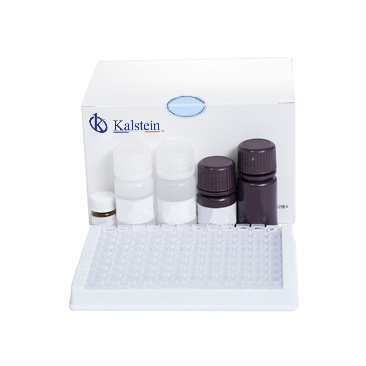
Clinical Chemistry Reagents: Best Techniques and Protocols 2026
What is it used for in 2026
In 2026, Clinical Chemistry Reagents are an integral part of laboratory practices, particularly for biochemical analyses. These reagents are crucial for determining chemical content in various biological samples, enabling tests related to liver function, myocardial enzyme indices, renal function, and blood gas electrolytes, among others. Their reliable results make them indispensable in both research settings and clinical diagnostics.
History and evolution of the technology
The evolution of Clinical Chemistry Reagents can be traced back several decades. Initially, laboratory reagents were limited in capability and specificity. However, advancements in biochemical research have led to the development of highly specific and sensitive reagents. Innovations in reagent formulation and the introduction of automated systems have dramatically improved efficiency and accuracy in laboratory workflows, paving the way for modern Clinical Chemistry Reagents.
How to use it step by step
Using Clinical Chemistry Reagents effectively involves the following steps:
- Preparation: Gather all necessary samples and reagents. Ensure that you have the appropriate safety equipment.
- Calibration: Calibrate instruments as per manufacturer instructions to ensure accurate readings.
- Sample Collection: Collect biological samples following good practices to avoid contamination.
- Assay Procedure: Follow the manufacturer's instructions for each specific reagent, ensuring adherence to timing and temperature requirements.
- Analysis: Analyze results using appropriate analytical methods and record data for reporting.
- Review: Review findings, ensuring all data is within expected ranges, and perform any necessary follow-up tests.
Best techniques and protocols
Utilizing best practices in 2026 includes:
- Employing automated analyzers for high-throughput testing.
- Implementing quality control measures regularly to ensure reagent reliability.
- Training personnel on the latest reagents and techniques to optimize performance.
- Utilizing standardized protocols for data analysis to ensure comparability of results.
Practical applications by laboratory type
Different laboratory types utilize Clinical Chemistry Reagents in various ways:
- Clinical Laboratories: Perform routine tests for patient diagnosis.
- Research Laboratories: Use reagents for experimental studies in biochemical science.
- Pharmaceutical Laboratories: Conduct drug testing and development, utilizing reagents for efficacy studies.
Regulations, standards and certifications
In 2026, laboratories must adhere to stringent regulations including:
- ISO 15189 for medical laboratories.
- CLIA regulations for laboratory testing.
- Good Laboratory Practice (GLP) guidelines to ensure accuracy.
Comparison with alternative technologies
Clinical Chemistry Reagents can be compared with other technologies such as:
- Point-of-Care Testing Devices: While these provide quick results, they might lack the specificity of traditional laboratory reagents.
- Mass Spectrometry: Offers high sensitivity but can be costly and complex compared to standard reagents.
Comparison of available models
| Model | Best for | Key specs | Recommended use case |
|---|---|---|---|
| YRA1 | Liver function tests | R1:48mlx2, R2:12mlx2, 120ml | Recommended for ALT analysis as per IFCC guidelines. |
| YRA2 | Liver function tests | R1:48mlx2, R2:12mlx2, 120ml | Recommended for AST analysis as per IFCC guidelines. |
| YRA3 | Enzyme analysis | R1:48mlx2, R2:16mlx2, 128ml | Recommended for GGT analysis using SZASZ method. |
| YRA4 | Albumin tests | R:20mlx8, 160ml | Recommended for Bromocresol green method. |
| YRA5 | Bilirubin tests | R1:48mlx2, R2:12mlx2, 120ml | Recommended for diazo colorimetric method for TBIL. |
| YRA6 | Bilirubin tests | R1:48mlx2, R2:12mlx2, 120ml | Recommended for vanadate oxidation method for TBIL. |
Common mistakes and how to avoid them
Common errors include:
- Inaccurate Measurements: Always ensure proper calibration of equipment before use.
- Contamination of Samples: Follow strict aseptic techniques during sample collection.
- Improper Storage: Store reagents according to manufacturer specifications to maintain integrity.
Maintenance, calibration and good practices 2026
In 2026, it is important to regularly maintain and calibrate equipment by:
- Inspecting reagents for expiration dates and proper storage conditions.
- Calibrating instruments at scheduled intervals to ensure accuracy.
- Documenting all maintenance and calibration activities in a logbook for traceability.
Cost-benefit analysis 2026
When evaluating Clinical Chemistry Reagents, consider:
- Cost of reagents versus the volume of tests performed.
- Initial investment in equipment versus the long-term savings from efficiency gains.
- Quality and reliability of results, impacting patient care and laboratory reputation.
Frequently asked questions
What should I consider when choosing Clinical Chemistry Reagents?
When choosing reagents, consider factors such as specificity for the desired tests, compatibility with your equipment, and the reliability of the manufacturer.
How do I ensure the accuracy of my results?
Ensure accuracy by following calibration protocols, performing regular quality control checks, and using reagents before their expiration dates.
Can these reagents be used for multiple tests?
Many Clinical Chemistry Reagents are specific to particular tests, so it's vital to use the appropriate reagent for each assay to ensure accuracy.
What are the storage requirements for these reagents?
Storage requirements can vary by reagent; always consult the manufacturer's guidelines for temperature and handling to maintain reagent integrity.
How can I reduce waste when using reagents?
To minimize waste, only prepare the amount of reagent needed for your tests and follow proper disposal protocols for any unused portions.
What is the importance of training personnel in using these reagents?
Training personnel ensures that they understand the correct handling and application of reagents, leading to better accuracy and efficiency in laboratory processes.
Where can I request a quote for these reagents?
You can request a quote on Kalstein Plus for the best pricing and availability of Clinical Chemistry Reagents.
If you are looking for a fusion of innovation and quality, you have come to the right place. At Kalstein, we offer you the luxury of exploring our exclusive catalog of laboratory equipment. We manufacture every device to the highest standards of excellence. Our intuitive and seamless online purchasing channels are designed for your convenience, securing the most competitive prices. Hesitate no longer — we bring science to life, it is time to become part of our community.