Chest Freezers: Practical Applications and Techniques 2026
What is it used for in 2026
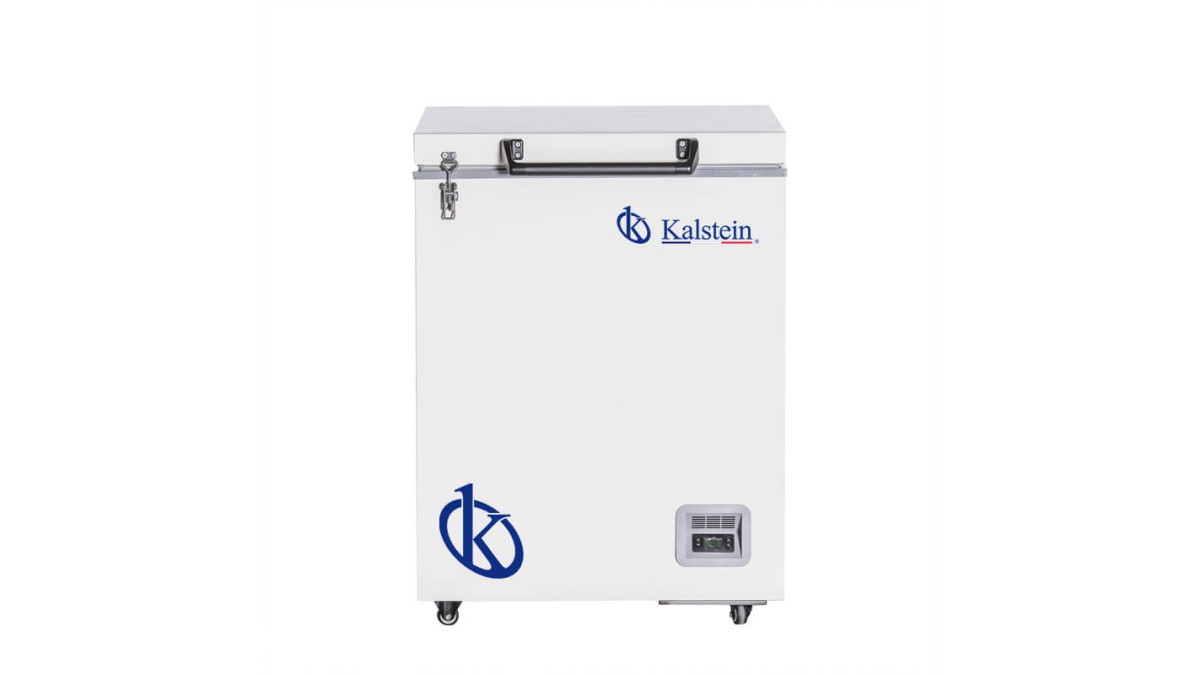
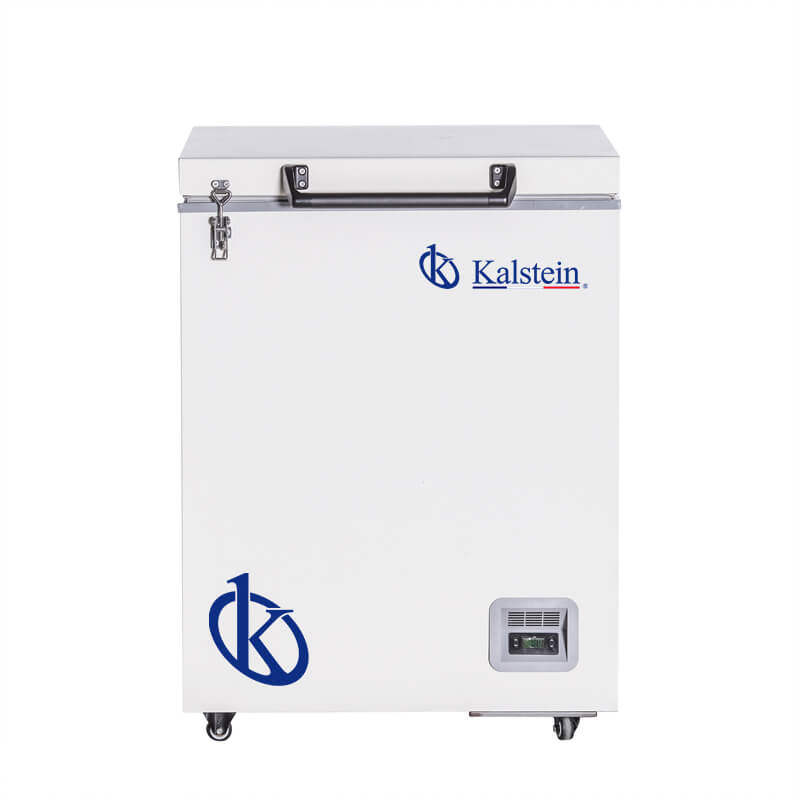
Chest freezers are vital in laboratory settings, particularly for biobanking, research on biological samples, and the storage of temperature-sensitive materials. In 2026, their role extends to supporting research in biotechnology, pharmaceuticals, and clinical labs. They maintain samples at ultra-low temperatures, ensuring that biological integrity is preserved and that samples remain viable for extended periods. Applications include storing vaccines, blood samples, and other critical materials that require precise temperature control.
History and evolution of the technology
The first refrigeration technologies emerged in the 18th century, but it was not until the 20th century that freezers became essential in laboratories. Early models relied on mechanical means, while modern chest freezers utilize advanced microprocessor controls and energy-efficient refrigerants. The evolution has focused on improving temperature stability, energy consumption, and user-friendly features like digital displays and alarm systems. Recent developments include innovations in insulation materials, which enhance energy efficiency, making these devices indispensable in contemporary laboratories.
How to use it step by step
Using a chest freezer effectively involves a series of steps to ensure optimal performance:
- Installation: Place the freezer in a well-ventilated area away from direct sunlight. Ensure that it is level and stable.
- Temperature Setting: Adjust the microprocessor-controlled settings to the desired temperature, typically between -20°C and -86°C, depending on your application.
- Load Management: Organize samples in the freezer, leaving space for air circulation. Use racks or bins to separate different sample types.
- Monitoring: Regularly check the digital display for temperature consistency and listen for any alarms indicating malfunctions.
- Defrosting: Follow the manufacturer’s instructions for manual defrosting as needed to maintain efficiency.
Best techniques and protocols
When using chest freezers, following best practices ensures sample integrity:
- Regularly calibrate: Ensure that the temperature sensors are calibrated to maintain accuracy.
- Document storage: Keep a detailed log of what samples are stored and their locations within the freezer for efficient retrieval.
- Emergency protocols: Establish procedures for power outages or failures, including backup power solutions.
- Routine maintenance: Schedule regular maintenance checks to ensure that the cooling system functions effectively.
Practical applications by laboratory type
Chest freezers serve diverse laboratory types with varying applications:
- Biotechnology Labs: Used for storing genetically modified organisms and other sensitive biological samples.
- Clinical Labs: Essential for preserving blood products, vaccines, and infectious specimens.
- Pharmaceutical Labs: Store compounds and substances that require strict temperature control.
- Research Institutions: Maintain long-term storage of research materials and genetic samples.
Regulations, standards and certifications
Chest freezers must comply with various regulations and standards to ensure safety and effectiveness:
- ISO 9001: Quality management system requirements to ensure consistency in manufacturing.
- FDA Guidelines: For labs involved in pharmaceutical testing and storage, adherence to FDA regulations is vital.
- CE Marking: Essential for compliance in the European market, indicating conformity with health and safety standards.
Comparison with alternative technologies
While chest freezers are widely used, alternatives like ultra-low temperature (ULT) freezers and liquid nitrogen storage systems exist. ULT freezers can reach temperatures as low as -86°C, making them suitable for sensitive samples but generally higher in operational costs. Conversely, liquid nitrogen systems offer indefinite storage capabilities but require extensive safety measures and monitoring.
Comparison of available models
| Model | Best for | Key specs | Recommended use case |
|---|---|---|---|
| YR05102 | General laboratory use | Temperature range: -10 to -40°C, Energy consumption: 1.65 kWh/23h | Good for standard biological sample storage. |
| YR05103 | Medium to large labs | Temperature range: -10 to -40°C, Energy consumption: 1.68 kWh/23h | Ideal for large batch sample storage. |
| YR05104 | High-capacity storage | Temperature range: -20 to -40°C, Energy consumption: 3.45 kWh/23h | Perfect for extensive research collections. |
| YR05314 | Ultra-low temperature applications | Temperature range: -40 to -86°C, Energy consumption: 11.5 kWh/24h | Best for long-term storage of vaccine and cell samples. |
| YR05313 | Small sample storage | Temperature range: -40 to -86°C, Energy consumption: 3.8 kWh/24h | Great for limited spaces needing ultra-low temperature. |
| YR05315 | Biomedical applications | Temperature range: -25 to -60°C, Energy consumption: 3.2 kWh/24h | Designed for vaccine and biological material storage. |
Common mistakes and how to avoid them
Laboratory professionals often make several common mistakes when using chest freezers:
- Improper loading: Overloading can restrict airflow. Always leave space between samples.
- Ignoring alarm signals: Failing to respond to alarm signals can lead to sample loss. Regularly monitor alarm systems.
- Neglecting maintenance: Regular maintenance checks are crucial to ensure longevity and efficiency.
- Inadequate power supply planning: Ensure that your freezer has a reliable power source and backup options in case of outages.
Maintenance, calibration and good practices 2026
To keep a chest freezer operating at peak performance in 2026, consider these maintenance practices:
- Regular Calibration: Check and calibrate temperature sensors periodically.
- Cleanliness: Maintain cleanliness inside the freezer to prevent contamination.
- Temperature Checks: Conduct frequent temperature logs and check readings against standards.
- Inspect Seals: Ensure door seals are intact to maintain temperature efficiency.
Cost-benefit analysis 2026
When evaluating the use of chest freezers, consider both the upfront costs and the long-term benefits:
- Initial Investment: While the price of high-quality models can be significant, their longevity can offset costs over time.
- Operational Costs: Energy-efficient models will save on electricity bills, creating a better return on investment.
- Sample Preservation: Protecting valuable samples from damage yields significant savings and project continuity.
Frequently asked questions
How do I choose the right chest freezer for my laboratory?
Consider the volume of samples you need to store, the required temperature range, and energy efficiency ratings. Also, evaluate the available space and whether you need backup features.
What is the best temperature range for storing biological samples?
The ideal temperature range varies, but generally, samples should be stored between -20°C and -86°C, depending on their specific requirements.
How often should I calibrate my chest freezer?
Calibration should be performed at least quarterly, or more frequently if you notice any irregularities in temperature readings.
Are there safety features that I should look for?
Yes, look for models with alarm systems for high/low temperatures, door locks, and backup power options to ensure sample integrity during power outages.
Can chest freezers be used for long-term storage of vaccines?
Yes, several models designed specifically for ultra-low temperatures are ideal for long-term vaccine storage, preserving their efficacy over time.
What maintenance is required to keep my chest freezer in good condition?
Regularly check seals, clean the interior, calibrate the temperature monitoring system, and ensure proper airflow by organizing samples effectively.
How can I ensure my samples are not compromised?
Utilize a monitoring system for temperature, respond promptly to alarms, and maintain a well-organized inventory of stored materials.
If you are looking for a fusion of innovation and quality, you have come to the right place. At Kalstein, we offer you the luxury of exploring our exclusive catalog of laboratory equipment. We manufacture every device to the highest standards of excellence. Our intuitive and seamless online purchasing channels are designed for your convenience, securing the most competitive prices. Hesitate no longer — we bring science to life, it is time to become part of our community.