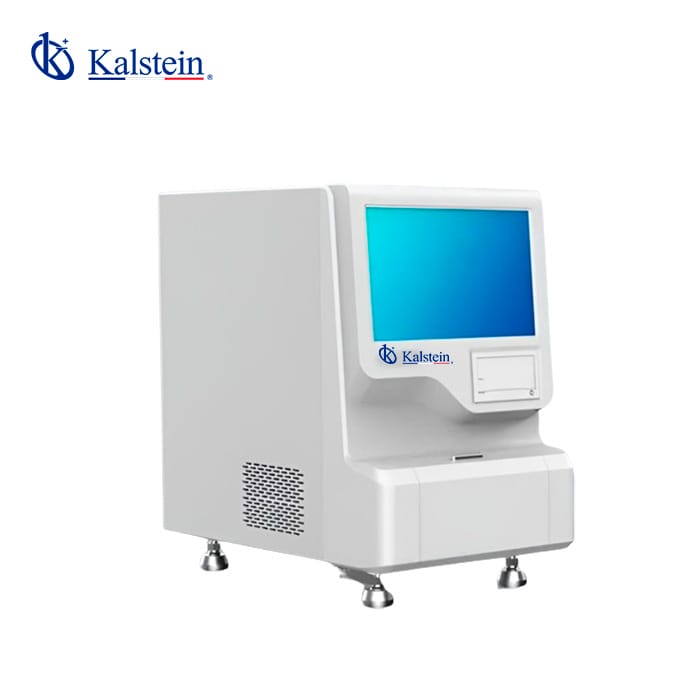
Chemiluminescence Immunoassay Analyzers: Practical Applications and Techniques 2026
What is it used for in 2026
Chemiluminescence Immunoassay Analyzers are crucial in modern laboratories for conducting a variety of diagnostic tests that require rapid and accurate results. In 2026, these analyzers are employed extensively in clinical laboratories, hospitals, and research facilities for testing hormones, infectious diseases, and various biomarkers. They utilize chemiluminescent reactions to detect and quantify specific substances, enabling healthcare professionals to make informed decisions swiftly.
History and evolution of the technology
The technology behind Chemiluminescence Immunoassay Analyzers has evolved significantly since its inception. Initially, immunoassays were based on radioisotope detection, which posed safety concerns and required specialized handling. The shift to chemiluminescence marked a pivotal change, allowing for safer, more sensitive, and easier-to-use assays. Over the years, advancements in technology have led to the development of fully automated systems, improving throughput and reducing human error. Today’s analyzers are capable of processing multiple samples simultaneously, with integration of advanced software for data management and interpretation.
How to use it step by step
- Prepare samples: Ensure that all samples (plasma, serum, or urine) are collected and stored appropriately to maintain integrity.
- Calibrate the analyzer: Follow the manufacturer’s guidelines to calibrate the analyzer before use, ensuring accuracy and reliability of results.
- Load samples: Place samples into the designated sample tray, ensuring they are correctly labeled to avoid mix-ups.
- Select the test: Using the touchscreen interface, select the desired assay from the pre-programmed options available on the analyzer.
- Run the analysis: Start the analysis process, allowing the analyzer to perform tests automatically.
- Review results: After completion, access the results displayed on the screen or printed by the internal printer.
- Document findings: Store results in the laboratory information system for future reference and reporting.
Best techniques and protocols
Adhering to standardized protocols is vital for ensuring the accuracy of Chemiluminescence Immunoassay results. Techniques include maintaining a consistent temperature during reactions, using high-quality reagents, and implementing controls within each assay run to monitor performance. It’s also essential to regularly maintain and calibrate the instruments as per guidelines to minimize variability. Training laboratory personnel on proper usage and troubleshooting common issues can further enhance efficiency and accuracy.
Practical applications by laboratory type
Chemiluminescence Immunoassay Analyzers are utilized in various laboratory settings:
- Clinical Laboratories: For routine testing of hormones and infectious diseases.
- Research Laboratories: Used for research applications in biochemistry and molecular biology.
- Hospitals: Vital for acute care settings to provide rapid test results during emergency situations.
- Pharmaceutical Companies: Employed in drug development and testing processes to assess drug efficacy and safety.
Regulations, standards and certifications
Chemiluminescence Immunoassay Analyzers are subject to stringent regulations and standards to ensure patient safety and data integrity. In the United States, analyzers must comply with FDA regulations, while in Europe, CE marking is required. Laboratories must also adhere to ISO standards, including ISO 13485 for quality management systems specific to medical devices. Regular audits and inspections are necessary to maintain compliance and ensure that the equipment operates within the established safety and performance criteria.
Comparison with alternative technologies
While Chemiluminescence Immunoassay Analyzers are highly efficient, alternative technologies such as Enzyme-Linked Immunosorbent Assays (ELISA) and Radioimmunoassays (RIA) are also used in laboratories. ELISA, for example, offers a cost-effective means for analyzing multiple samples but may require longer processing times. RIA, while highly sensitive, poses safety risks due to the use of radioactive materials. Each technology has its advantages and trade-offs, and the choice depends on specific laboratory needs, budget, and regulatory considerations.
Comparison of available models
| Model | Best for | Key specs | Recommended use case |
|---|---|---|---|
| YR06387 | High efficacy diagnostic testing | Dimensions: 320x550x550 mm, Weight: 45 kg, Price: $3500 | Clinical environments requiring flexibility |
| YR06388 | Rapid and precise results | Dimensions: 520x550x550 mm, Weight: 55 kg, Price: $5000 | Emergency situations with multiple tests |
| YR06389 | High throughput testing | Transport speed: 120T/h, Results in 15 mins, Price: $9000 | Ambulatory and urgent care labs |
| YR06390 | High efficiency diagnostics | Processing speed: 220T/h, Results in 15 mins, Price: $15000 | High-demand clinical settings |
| YR06710 | Space-limited environments | Compact size, Price: $109 | Emergency departments and small labs |
Common mistakes and how to avoid them
Laboratory professionals may encounter several common mistakes when using Chemiluminescence Immunoassay Analyzers:
- Improper sample handling: Always follow sample collection and storage guidelines to ensure the integrity of specimens.
- Neglecting calibration: Regular calibration is essential for accurate results. Set reminders for routine checks.
- Ignoring maintenance: Schedule periodic maintenance according to manufacturer guidelines to prevent breakdowns.
- Inconsistent reagent usage: Ensure all reagents are from the same batch and stored correctly to maintain performance.
Maintenance, calibration and good practices 2026
To ensure optimal performance of Chemiluminescence Immunoassay Analyzers, regular maintenance and calibration are key. Daily checks should include cleaning the sample tray, verifying the functionality of the touchscreen interface, and ensuring adequate reagent supply. Monthly maintenance might involve inspecting and replacing worn parts as needed, while annual calibration should be performed by certified technicians to ensure compliance with regulatory standards. Document all maintenance activities to maintain a clear record of equipment status.
Cost-benefit analysis 2026
Investing in Chemiluminescence Immunoassay Analyzers presents a favorable cost-benefit ratio for many laboratories. The initial capital expenditure is often offset by reduced labor costs due to automation and increased throughput. Moreover, the rapid turnaround time for results can lead to better patient outcomes, enhancing the laboratory's reputation and potentially attracting more clients. Long-term operational savings and improved efficiency highlight the value of integrating these analyzers into laboratory workflows.
Frequently asked questions
What are the primary advantages of using Chemiluminescence Immunoassay Analyzers?
The primary advantages include rapid results, high sensitivity, and the ability to process multiple samples simultaneously, which significantly improves workflow efficiency in clinical settings.
How do I choose the right model for my laboratory?
Consider factors such as throughput requirements, available space, and specific tests you need to perform. Analyzers with higher throughput are ideal for busy clinical environments, while compact models may suit smaller labs.
What types of samples can be analyzed?
Chemiluminescence Immunoassay Analyzers can typically analyze various sample types, including plasma, serum, and urine. Always check the manufacturer's specifications for compatibility with specific tests.
How often should calibration be performed?
Calibration frequency depends on the manufacturer's recommendations and the volume of tests performed. Regular daily, monthly, and annual checks are recommended to ensure accuracy.
What are the best practices for reagents used in the analyzers?
Always use reagents from the same batch, check expiration dates, and store them according to manufacturer guidelines to ensure the reliability of test results.
Can I integrate the analyzer with my laboratory information system?
Most modern Chemiluminescence Immunoassay Analyzers come with software that allows for integration with laboratory information systems, streamlining the data management process.
Where can I request a quote for Chemiluminescence Immunoassay Analyzers?
You can request a quote through our online platform, where you will find comprehensive information about available models and their specifications.
If you are looking for a fusion of innovation and quality, you have come to the right place. At Kalstein, we offer you the luxury of exploring our exclusive catalog of laboratory equipment. We manufacture every device to the highest standards of excellence. Our intuitive and seamless online purchasing channels are designed for your convenience, securing the most competitive prices. Hesitate no longer — we bring science to life, it is time to become part of our community.