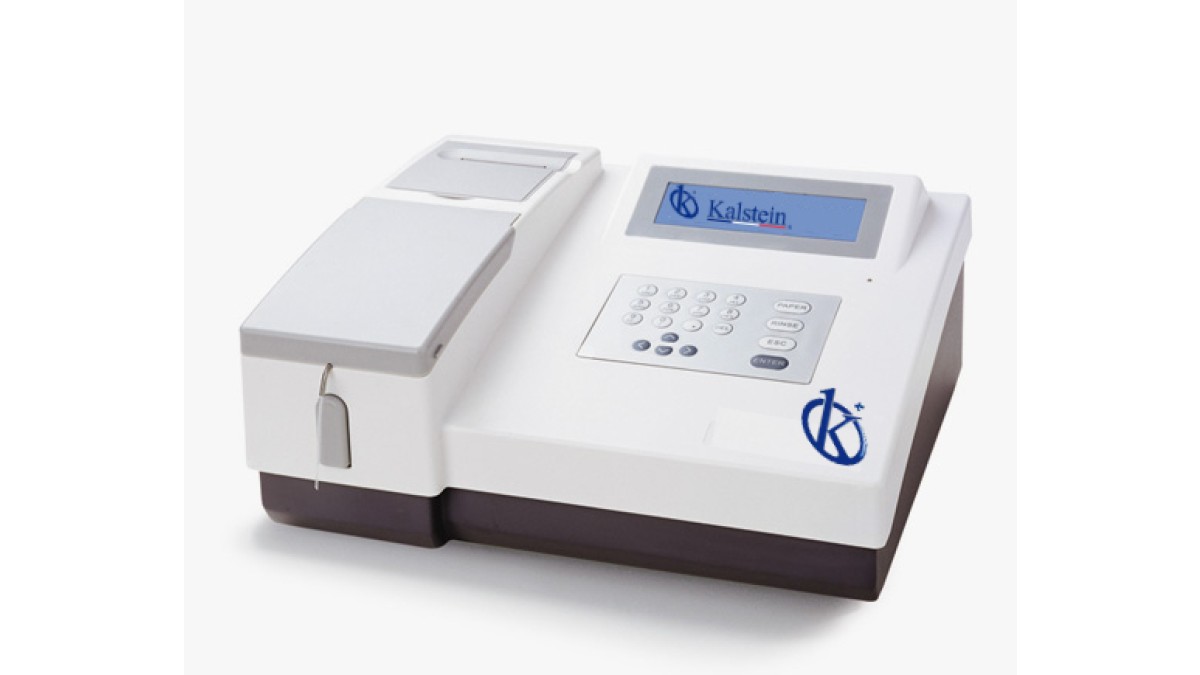
Chemical Analyzers: Practical Applications and Techniques 2026
Chemical analyzers are crucial tools in clinical and hospital laboratories, providing detailed analysis of various biochemical parameters essential for diagnosis and treatment. As we advance into 2026, understanding how to effectively utilize these analyzers, their applications, techniques, and best practices is vital for laboratory professionals. This article will guide you through the applications and functionalities of this equipment, ensuring optimal use in laboratory workflows.
What is it used for in 2026
In 2026, chemical analyzers are used widely in various laboratory settings to perform biochemical tests that measure substances in blood, urine, and other bodily fluids. They facilitate the diagnosis of diseases, monitor health conditions, and assist in research. Key applications include liver function tests, renal function tests, lipid profiles, and cardiac markers, among others. These analyzers offer rapid results with high accuracy, making them indispensable in modern healthcare.
History and evolution of the technology
The development of chemical analyzers has seen significant advancements from manual techniques to sophisticated automated systems. Initially, labs used manual methods involving colorimetric tests and visual readings, which were time-consuming and prone to human error. With the advent of electronic and digital technologies, chemical analyzers evolved to become semi-automatic and fully automatic devices. These innovations have drastically improved the speed, precision, and reliability of biochemical analyses, revolutionizing laboratory workflows.
How to use it step by step
Using a chemical analyzer generally involves the following steps:
- Preparation: Ensure all necessary reagents are available and equipment is calibrated. Prepare samples according to the analyzer's specifications.
- Setting Up: Turn on the analyzer and select the desired test from the interface. Input any sample-specific information required.
- Sample Insertion: Place the sample in the designated holder, ensuring it is correctly positioned.
- Launching the Test: Initiate the test cycle. The analyzer will automatically perform the required measurements.
- Results Retrieval: Once the test is complete, retrieve the results, which can usually be printed or saved electronically.
- Cleaning: Clean the analyzer as per the manufacturer's instructions to maintain its performance and longevity.
Best techniques and protocols
To achieve the best results when using chemical analyzers, adhere to the following protocols:
- Regular calibration and maintenance to ensure accuracy.
- Strict adherence to sample handling procedures to avoid contamination.
- Use of quality control samples to validate the analyzer's performance.
- Documentation of results and maintenance activities for accountability.
Practical applications by laboratory type
Different types of laboratories utilize chemical analyzers for specific applications:
- Clinical Laboratories: Focus on routine tests for monitoring health, such as glucose, electrolytes, and enzyme levels.
- Hospital Laboratories: Conduct emergency and critical care tests, providing rapid results for timely treatment.
- Research Laboratories: Utilize analyzers for experimental studies, drug testing, and biochemical research.
Regulations, standards and certifications
Compliance with regulations and standards is crucial when using chemical analyzers. Laboratories must adhere to guidelines set by bodies such as the International Organization for Standardization (ISO) and the Clinical Laboratory Improvement Amendments (CLIA). Regular audits and certification processes ensure that laboratories maintain high standards of care and accuracy in their testing procedures.
Comparison with alternative technologies
While chemical analyzers are widely used, alternative technologies such as point-of-care testing devices and mass spectrometry also play a role in clinical diagnostics. Point-of-care devices offer rapid results and are suitable for immediate decision-making, while mass spectrometry provides detailed analyses for complex biochemical substances. However, chemical analyzers remain preferred for routine testing due to their efficiency, accuracy, and cost-effectiveness.
Comparison of available models
| Model | Best for | Key specs | Recommended use case |
|---|---|---|---|
| YR05115 | Routine laboratory tests | LCD, 5-inch, 80 preprogrammed tests, memory for 10000 results | Small to medium labs requiring efficient testing |
| YR05114 | Comprehensive biochemical analysis | 5 wavelengths, 80 tests, RS232 interface | Clinical settings needing versatile testing options |
| YR06092 | Portable testing environments | Adjustable temperatures, compact design | Fieldwork or mobile clinics |
| YR06075 | High throughput testing | 560 tests/hour, 12 wavelengths | High-demand clinical laboratories |
| YR05116 | Advanced chemistry analysis | Windows OS, real-time curve display | Research facilities needing detailed results |
| YR06078 | Versatile testing | 7 wavelengths, memory for 10,000 results | Laboratories with varied testing protocols |
Common mistakes and how to avoid them
Common pitfalls when using chemical analyzers include:
- Failing to calibrate instruments regularly. Always follow calibration schedules to ensure accurate results.
- Improper sample handling, leading to contamination. Use gloves and follow protocols meticulously.
- Neglecting maintenance. Regularly clean and service the analyzers to preserve their functionality.
Maintenance, calibration and good practices 2026
Maintaining a chemical analyzer involves several best practices:
- Perform routine maintenance checks as recommended by the manufacturer.
- Keep all software updated to ensure operational efficiency.
- Document all maintenance activities for tracking purposes.
Cost-benefit analysis 2026
In 2026, investing in chemical analyzers yields significant benefits. They offer high throughput capabilities, reducing the time to obtain results. The accuracy of these devices minimizes the risk of misdiagnosis, ultimately saving costs associated with incorrect treatments. Furthermore, the trend towards automation in laboratories means that the initial investment is often offset by long-term savings in labor and operational efficiencies.
Frequently asked questions
How do I choose the right chemical analyzer for my laboratory?
When selecting a chemical analyzer, consider factors such as the volume of tests you perform, the types of tests needed, space available in your laboratory, and budget constraints. Each model has specific features that cater to different needs, so evaluate them based on your laboratory's requirements.
What maintenance is required for chemical analyzers?
Regular maintenance includes calibrating the equipment, cleaning components, and updating software. Additionally, scheduling periodic professional servicing can help identify potential issues before they affect performance.
Can chemical analyzers handle multiple types of tests?
Yes, many chemical analyzers are designed to perform a wide range of tests, from basic metabolic panels to complex liver function tests. Ensure the model you choose supports the specific tests your laboratory requires.
What safety measures should I take when using chemical analyzers?
Always wear appropriate personal protective equipment (PPE) such as gloves and lab coats. Follow standard operating procedures to prevent exposure to hazardous materials, and ensure the analyzer is placed in a safe and well-ventilated area.
How can I ensure accurate results from my chemical analyzer?
To achieve accurate results, regularly calibrate and maintain the analyzer, use quality control samples, and adhere to established testing protocols. Proper sample handling is equally crucial to reduce the risk of contamination.
What should I do if the analyzer gives inconsistent results?
Inconsistent results may indicate calibration issues, reagent problems, or sample contamination. Check calibration, assess reagent quality, and ensure samples are handled properly. If issues persist, consult the manufacturer for troubleshooting support.
If you are looking for a fusion of innovation and quality, you have come to the right place. At Kalstein, we offer you the luxury of exploring our exclusive catalog of laboratory equipment. We manufacture every device to the highest standards of excellence. Our intuitive and seamless online purchasing channels are designed for your convenience, securing the most competitive prices. Hesitate no longer — we bring science to life, it is time to become part of our community.