Car Refractometer: Practical Usage Guide Step by Step 2026
In the evolving landscape of laboratory technology, car refractometers have established themselves as crucial instruments for measuring the concentration of various automotive fluids. This guide aims to equip laboratory professionals with detailed knowledge and practical skills to utilize these devices effectively in 2026. Herein, we will explore their applications, history, best practices, and more.
What is it used for in 2026
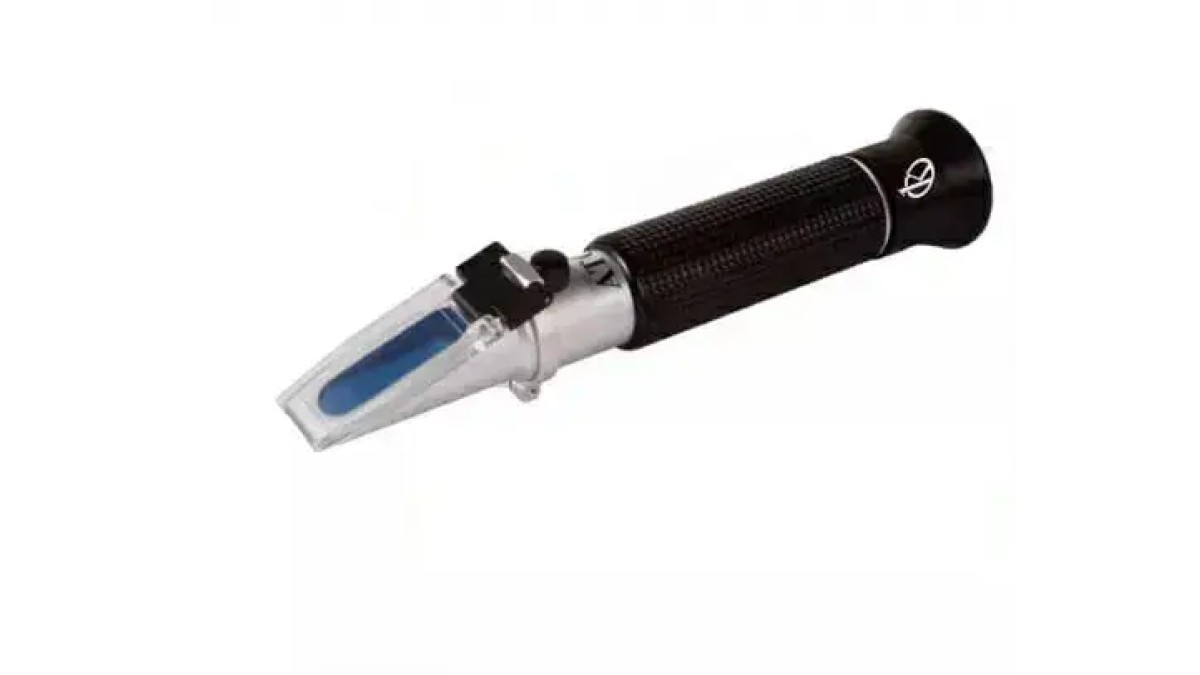
Car refractometers are primarily used to measure the concentration of antifreeze and windshield washer fluids in automotive applications. Their ability to determine the freezing point of fluids ensures that vehicles operate effectively under varying temperature conditions. In 2026, these devices have become indispensable tools in car maintenance, providing accurate data that helps prevent engine damage due to freezing temperatures.
History and evolution of the technology
The technology behind refractometers dates back to the 19th century. Initially, these devices were rudimentary and primarily used in laboratories. Over the years, advancements in optical technology and material sciences led to more precise and portable designs suitable for automotive applications. By 2026, car refractometers have evolved to integrate automatic temperature compensation (ATC) systems, making them easier to use and more reliable in varying environmental conditions.
How to use it step by step
Using a car refractometer involves a straightforward process:
- Preparation: Ensure the refractometer is clean and calibrated. Gather the fluid sample to be tested.
- Sample Application: Place a few drops of the fluid onto the refractometer's prism.
- Close the Cover: Gently close the cover to spread the sample evenly across the prism surface.
- Read the Measurement: Look through the eyepiece and note the reading where the boundary line intersects the scale.
- Record the Data: Document the measurement accurately for future reference.
Following these steps will ensure accurate readings and effective use of the refractometer.
Best techniques and protocols
To maximize efficiency and accuracy when using car refractometers, follow these best practices:
- Clean the prism after each use to prevent cross-contamination.
- Ensure the device is at room temperature before use to avoid thermal discrepancies.
- Use fresh samples for each measurement to guarantee reliability.
- Regularly calibrate your refractometer according to the manufacturer's instructions.
Practical applications by laboratory type
Car refractometers find practical applications in various settings:
- Automotive Service Centers: Routine checks of antifreeze concentrations.
- Laboratories: Research on fluid properties and behaviors under different conditions.
- Manufacturing: Quality control processes in antifreeze production.
Regulations, standards and certifications
When utilizing car refractometers, it is essential to adhere to relevant regulations and standards. Compliance with ASTM standards for refractometry ensures that measurements are reliable and accepted in professional settings. It is important to stay informed about updates in regulations applicable to automotive fluids.
Comparison with alternative technologies
While car refractometers are widely used, alternative technologies such as digital refractometers and hydrometers exist. Digital refractometers offer higher accuracy and ease of use, while hydrometers are typically used for measuring density. However, car refractometers excel in providing quick and reliable measurements specifically for automotive applications.
Comparison of available models
| Model | Best for | Key specs | Recommended use case |
|---|---|---|---|
| YR05916 | Testing ethylene glycol and propylene glycol concentrations | Measurement range: -60°C to 0°C | Use in automotive service centers for antifreeze checks |
| YR05917 | Testing ethylene glycol and propylene glycol concentrations | Measurement range: -60°C to 0°C | Use in automotive service centers for antifreeze checks |
| YR05918 | Testing windshield washer fluid concentrations | Measurement range: -60°F to -32°F | Ideal for fleet maintenance departments |
| YR05919 | Testing ethylene glycol and propylene glycol concentrations | Measurement range: -60°C to 0°C | Use in automotive service centers for antifreeze checks |
| YR05920 | Testing ethylene glycol and propylene glycol concentrations | Measurement range: -60°C to 0°C | Use in automotive service centers for antifreeze checks |
| YR05921 | Testing ethylene glycol and propylene glycol concentrations | Measurement range: -60°C to 0°C | Use in automotive service centers for antifreeze checks |
Common mistakes and how to avoid them
Laboratory professionals often make several common mistakes when using car refractometers:
- Failing to clean the prism properly, leading to inaccurate readings. Always clean the prism after each use.
- Not calibrating the device before use. Regular calibration is essential for reliable measurements.
- Using old or contaminated samples. Always use fresh samples for accurate results.
Maintenance, calibration and good practices 2026
To ensure longevity and accuracy in measurements, follow these maintenance practices:
- Regularly calibrate the refractometer using standard solutions.
- Store the device in a cool, dry place to prevent damage.
- Inspect seals and optical components for wear and tear.
Cost-benefit analysis 2026
Investing in a car refractometer offers significant cost benefits. The ability to quickly and accurately assess fluid concentrations can reduce the risk of engine damage, saving on costly repairs. Additionally, regular use of these devices can lead to improved vehicle performance and longevity, further justifying the investment.
Frequently asked questions
How do I choose the right car refractometer for my needs?
Consider the types of fluids you will be testing and the measurement ranges needed. Look for a model equipped with automatic temperature compensation for best results.
What are the best practices for reading measurements accurately?
Ensure proper ambient lighting, clean the prism before each use, and use fresh samples to avoid contamination.
How often should I calibrate my refractometer?
It is recommended to calibrate your refractometer before each use, especially if you are working in varying temperature conditions.
Can I use a car refractometer for liquids other than automotive fluids?
While car refractometers are optimized for automotive fluids, they can also be used for other liquid applications with similar refractive indices.
What maintenance is required for a car refractometer?
Routine maintenance includes cleaning the prism, calibrating regularly, and storing the device properly to prevent damage.
Are digital refractometers better than traditional models?
Digital refractometers often provide faster and more accurate readings, but traditional models are still efficient and reliable for many applications.
Where can I request a quote for a car refractometer?
You can request a quote through our online platform, where you can explore our range of laboratory equipment.
If you are looking for a fusion of innovation and quality, you have come to the right place. At Kalstein, we offer you the luxury of exploring our exclusive catalog of laboratory equipment. We manufacture every device to the highest standards of excellence. Our intuitive and seamless online purchasing channels are designed for your convenience, securing the most competitive prices. Hesitate no longer — we bring science to life, it is time to become part of our community.