Brix Refractometers: Common Mistakes and How to Avoid Them in Daily Operation 2026
What is it used for in 2026
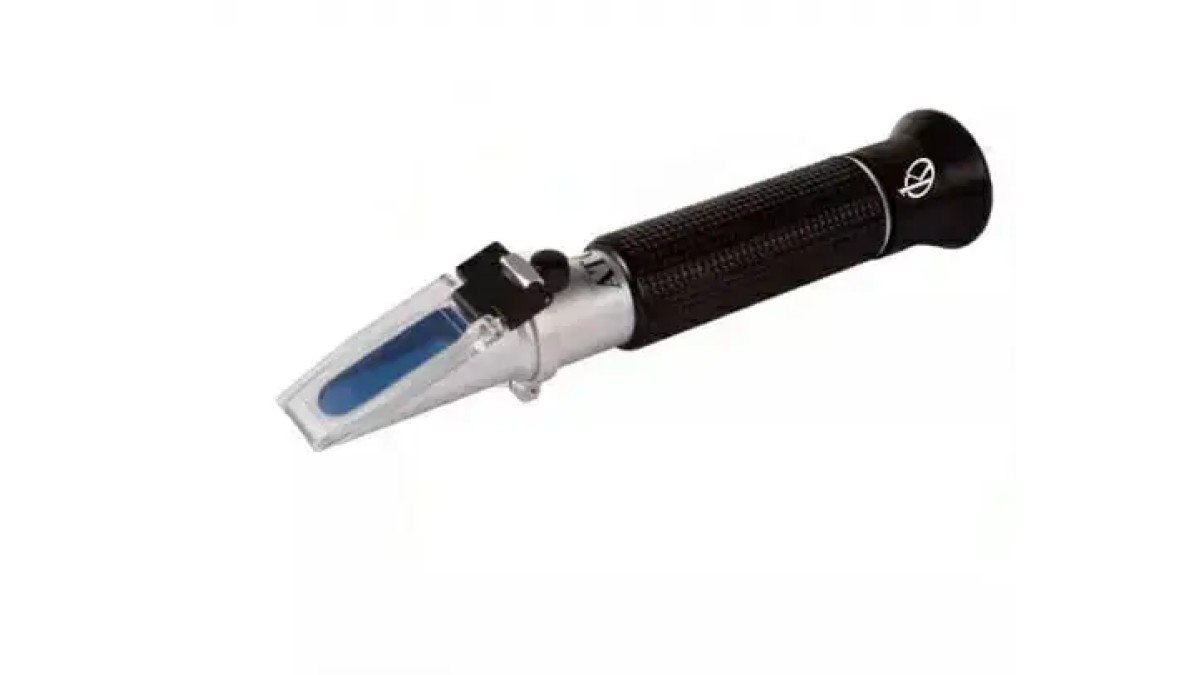
Brix refractometers are essential tools widely used in various industries such as viticulture, agriculture, brewing, and food production to measure the sugar content in liquids. As sugar concentration directly affects flavor profiles, quality, and processing methods, these refractometers allow lab professionals to ensure that their products meet desired standards. In 2026, the use of Brix refractometers has expanded to include complex analyses, enabling precise measurement of sugar levels for enhanced product quality and consistency.
History and evolution of the technology
The technology behind Brix refractometers has evolved significantly since its inception. Initially developed in the late 1800s, these instruments were primarily manual and less precise. However, over the decades, advancements in optics and electronic measurement have led to the development of automatic temperature compensation (ATC) features, increasing accuracy and ease of use. In the modern context, Brix refractometers now incorporate digital displays and advanced sensors, making them a standard in laboratories worldwide.
How to use it step by step
- Calibration: Before use, ensure that the refractometer is calibrated according to the manufacturer’s specifications. Use distilled water as a reference to set the zero point.
- Sample Preparation: Obtain your liquid sample, ensuring it is free from bubbles and impurities that may affect readings.
- Applying the Sample: Place a few drops of the sample directly onto the prism of the refractometer.
- Reading the Measurement: Close the cover plate and view the reading through the eyepiece or digital display, noting the Brix value indicated.
- Record the Data: Document the measurement for later analysis or reporting.
Best techniques and protocols
Adopting best practices when using Brix refractometers is crucial for ensuring accurate readings. Here are recommended techniques:
- Perform regular calibrations using standard solutions.
- Ensure consistent temperature conditions during measurements.
- Clean the prism after each use to avoid cross-contamination.
- Store the refractometer in a protective case to prevent damage.
Practical applications by laboratory type
Brix refractometers find applications in various laboratory settings:
- Agricultural Laboratories: For testing the sugar content in fruits and vegetables to determine ripeness and harvest time.
- Food and Beverage Industries: In breweries and wineries to ensure that products meet sweetness and flavor profiles.
- Research Laboratories: In studies related to plant physiology and metabolic processes.
Regulations, standards and certifications
It is essential for laboratories using Brix refractometers to comply with industry regulations and standards. Instruments must meet guidelines set by organizations such as ISO and ASTM for accuracy and reliability. Regular audits and calibrations help maintain compliance and ensure the integrity of test results.
Comparison with alternative technologies
While Brix refractometers are popular, alternatives exist such as hydrometers and digital density meters. Each tool has its pros and cons:
- Brix Refractometers: Quick measurements, ideal for small sample volumes, but may require calibration.
- Hydrometers: Cost-effective for measuring liquid density, but less precise for sugar concentrations.
- Digital Density Meters: Provide extensive data and can analyze multiple parameters, yet are often more expensive.
Comparison of available models
| Model | Best for | Key specs | Recommended use case |
|---|---|---|---|
| YR05872 | Low sugar content measurements | 0-5% Brix, ± 0.10% Brix Accuracy, ATC | Ideal for early fruit testing |
| YR05873 | General sugar content analysis | 0-10% Brix, ± 0.10% Brix Accuracy, ATC | Versatile for various fruits and vegetables |
| YR05874 | Intermediate sugar content testing | 0-18% Brix, ± 0.10% Brix Accuracy, ATC | Useful for brewing and winemaking |
| YR05875 | High sugar content analysis | 0-20% Brix, ± 0.10% Brix Accuracy, ATC | Suitable for syrup production |
| YR05876 | Very high sugar content testing | 0-32% Brix, ± 0.10% Brix Accuracy, ATC | Designed for concentrated fruit juices |
| YR05877 | Wide-ranging sugar analysis | 0-35% Brix, ± 0.10% Brix Accuracy, ATC | Ideal for mixed beverages |
Common mistakes and how to avoid them
Using Brix refractometers effectively requires awareness of common pitfalls:
- Neglecting Calibration: Always calibrate the instrument for accuracy.
- Ignoring Temperature Effects: Ensure samples are at the appropriate temperature to avoid skewed results.
- Inconsistent Sample Handling: Use the same method of sample collection and application to maintain consistency.
Maintenance, calibration and good practices 2026
Maintaining Brix refractometers involves regular cleaning and calibration. Follow these practices:
- Clean the prism with a soft cloth after each use.
- Calibrate at least once a week with a reference solution.
- Store the refractometer in a stable environment away from extreme temperatures.
Cost-benefit analysis 2026
Investing in a Brix refractometer provides considerable benefits against its cost. The precision and speed of measurements can enhance product quality and customer satisfaction, leading to increased sales and reduced waste. Moreover, the return on investment is realized through improved operational efficiency and compliance with industry standards.
Frequently asked questions
What is the best way to calibrate a Brix refractometer?
The best way to calibrate a Brix refractometer is by using distilled water at the appropriate temperature. Place a drop of distilled water on the prism, close the cover, and adjust the calibration screw until the reading shows zero Brix.
How often should I calibrate my refractometer?
It is recommended to calibrate your refractometer at least once a week or before any critical measurements, especially when testing different samples.
What temperature should my samples be at for accurate readings?
Samples should ideally be at a temperature of around 20°C (68°F). Most refractometers have automatic temperature compensation (ATC), but for best accuracy, sample temperature should be consistent.
Can I use a Brix refractometer for other liquids besides fruit juices?
Yes, Brix refractometers can also be used for measuring sugar content in various liquids, including syrups, sodas, and even some wines, as long as they are within the measurement range of the instrument.
What common errors should I be aware of when using a Brix refractometer?
Common errors include failing to calibrate before use, not allowing samples to reach the appropriate temperature, and not cleaning the prism between measurements, which can result in inaccurate readings.
How can I ensure my readings are accurate?
Ensure that your refractometer is regularly calibrated, keep the prism clean, and always handle samples consistently to avoid introducing variables that could lead to inaccuracies.
Where can I request a quote for Brix refractometers?
You can request a quote through our dedicated sales platform, where we provide detailed listings and competitive pricing for all laboratory equipment.
If you are looking for a fusion of innovation and quality, you have come to the right place. At Kalstein, we offer you the luxury of exploring our exclusive catalog of laboratory equipment. We manufacture every device to the highest standards of excellence. Our intuitive and seamless online purchasing channels are designed for your convenience, securing the most competitive prices. Hesitate no longer — we bring science to life, it is time to become part of our community.