Blood Bank Refrigerators: Common Mistakes and How to Avoid Them in Daily Operations 2026
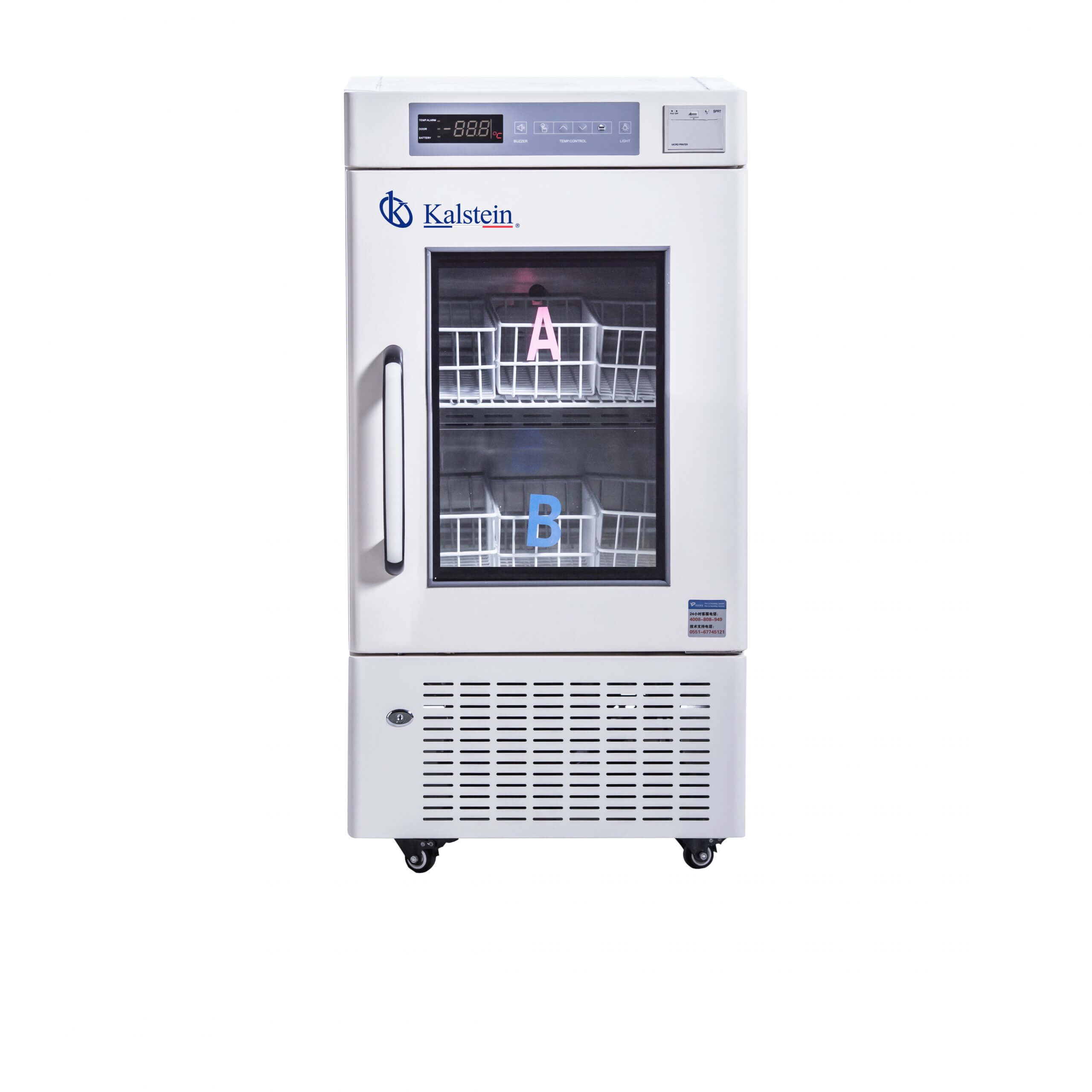
Blood Bank Refrigerators play a critical role in healthcare systems, ensuring the safe storage of blood products, vaccines, and other biological materials. As laboratory professionals, it is essential to understand not just the functionalities of these devices but also the common pitfalls in their operation to maintain compliance and efficiency. This article delves into the applications, best practices, and how to effectively utilize these refrigerators in 2026.
What is it used for in 2026
Blood Bank Refrigerators are specialized devices designed to maintain a controlled environment for storing blood and its components. In 2026, these units are crucial for:
- Storing whole blood, red blood cells, platelets, and plasma.
- Preserving the integrity of biological products and pharmaceuticals.
- Ensuring compliance with health regulations and standards to prevent contamination.
History and evolution of the technology
Initially, blood storage was rudimentary, with minimal temperature control. The evolution of Blood Bank Refrigerators has introduced advanced features such as microprocessor controls, alarm systems, and superior insulation techniques. These advancements ensure optimal temperature regulation and reliability, making modern models far more efficient than their predecessors.
How to use it step by step
Using a Blood Bank Refrigerator effectively involves the following steps:
- Initial Setup: Connect the refrigerator to a stable power source and configure the initial temperature settings according to the manufacturer's guidelines.
- Temperature Calibration: Before use, calibrate the temperature settings using a certified thermometer to ensure accuracy.
- Loading Products: Organize blood bags and other items in the refrigerator, ensuring proper airflow and avoiding overcrowding.
- Regular Monitoring: Continuously monitor the internal temperature using the digital display, ensuring it remains within the specified range of 2-6 °C.
- Recording Data: Maintain a log of temperature readings and any anomalies, ensuring compliance with safety standards.
Best techniques and protocols
Adhering to best practices when using Blood Bank Refrigerators is essential:
- Use a dedicated refrigerator for blood storage to avoid cross-contamination.
- Ensure doors are sealed properly to maintain temperature and avoid fluctuations.
- Implement a strict loading protocol to allow for optimal air circulation.
Practical applications by laboratory type
Different types of laboratories utilize Blood Bank Refrigerators according to their needs:
- Hospitals: For storage and management of blood supplies for emergency and surgical procedures.
- Research Facilities: For preservation of biological samples used in various studies.
- Blood Donation Centers: For the safe storage of collected blood from donors.
Regulations, standards and certifications
Blood Bank Refrigerators must comply with various regulations to ensure safety and efficacy:
- Regulatory bodies, such as the FDA and AABB, set guidelines for equipment performance and maintenance.
- Certification processes ensure that these refrigerators meet specific operational standards.
Comparison with alternative technologies
While Blood Bank Refrigerators serve a specific purpose, alternatives such as standard refrigerators or freezers may be used for other laboratory needs. However, they lack the precision and reliability required for blood storage.
Comparison of available models
| Model | Best for | Key specs | Recommended use case |
|---|---|---|---|
| YR05091 | Blood banks and hospitals | 220V, 175W, 4±1 °C | General blood storage |
| YR05092 | High-volume blood storage | 220V, 183W, 4±1 °C | For busy medical facilities |
| YR05094 | Larger storage needs | 220V, 364W, 4±1 °C | For extensive blood product inventories |
| YR05098 | Specialized freezing applications | 220V, 260W, -10~25 °C | For vaccines and biological samples |
| YR05292 | Long-term blood storage | 220V, 350W, 4±1 °C | With multiple drawers for optimal organization |
Common mistakes and how to avoid them
Several common errors can undermine the effectiveness of Blood Bank Refrigerators:
- Improper Temperature Settings: Regularly verify and calibrate temperature settings to avoid deviations.
- Poor Inventory Management: Implement systematic stocking protocols to ensure proper organization and airflow.
- Ignoring Maintenance: Establish a routine maintenance schedule to check for any issues regularly.
Maintenance, calibration and good practices 2026
Maintaining and calibrating Blood Bank Refrigerators is vital for optimal performance:
- Conduct routine cleaning and inspections of the interior and seals.
- Check and replace filters as needed to ensure air quality.
- Utilize temperature monitoring systems to alert staff of any discrepancies.
Cost-benefit analysis 2026
The investment in high-quality Blood Bank Refrigerators can yield significant benefits:
- Reduced risk of contamination and loss of blood products.
- Enhanced operational efficiency and compliance with health regulations.
- Long-term savings from decreased maintenance and replacement costs due to higher quality equipment.
Frequently asked questions
What should I consider when choosing a Blood Bank Refrigerator?
When selecting a Blood Bank Refrigerator, consider capacity, temperature range, energy efficiency, and the specific features that meet your laboratory's needs.
How often should I monitor the temperature of the refrigerator?
It is advisable to monitor the temperature continuously, with manual checks at least once a day to ensure consistent performance.
What maintenance is required for Blood Bank Refrigerators?
Regular cleaning, temperature calibration, and inspections for wear and tear are essential to maintain efficiency and safety.
Can I store other biological products in the Blood Bank Refrigerator?
While primarily designed for blood storage, some models can accommodate other biological products, but it is advisable to avoid cross-contamination by using dedicated units.
What are the consequences of improper temperature management?
Improper temperature management can lead to spoilage of blood products, resulting in significant losses and potential regulatory penalties.
How do I ensure compliance with health regulations?
Stay informed about the latest regulations and ensure that your Blood Bank Refrigerator meets all specified guidelines through regular inspections and certifications.
How can I request a quote for a Blood Bank Refrigerator?
For a detailed quote, please reach out, and we will be happy to assist you in selecting the right model for your needs.
If you are looking for a fusion of innovation and quality, you have come to the right place. At Kalstein, we offer you the luxury of exploring our exclusive catalog of laboratory equipment. We manufacture every device to the highest standards of excellence. Our intuitive and seamless online purchasing channels are designed for your convenience, securing the most competitive prices. Hesitate no longer — we bring science to life, it is time to become part of our community.