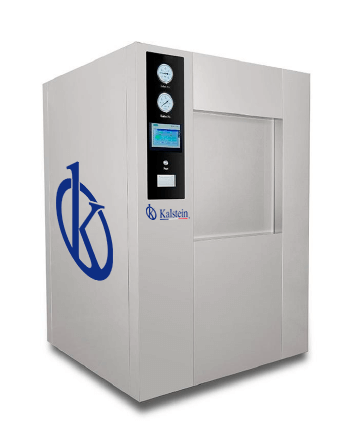
Understanding Predictive Maintenance and Recommended Calibration for Vertical Autoclaves
In today's laboratory environments, ensuring the reliability and efficiency of equipment is paramount. Vertical autoclaves serve a critical role in sterilization processes across various sectors, including healthcare, research, and pharmaceuticals. However, without proper maintenance and regular calibration, the performance of these autoclaves can diminish, leading to inefficiencies and risk of failure. This article delves into the importance of predictive maintenance and recommended calibration practices for vertical autoclaves, exploring how these strategies can enhance operational reliability and compliance with industry standards.
The Role of Predictive Maintenance in Vertical Autoclave Operation
Predictive maintenance refers to the proactive approach of using data-driven insights to anticipate equipment failures before they occur. In vertical autoclaves, the implementation of predictive maintenance can significantly reduce downtime and maintenance costs. By monitoring critical parameters such as temperature, pressure, and mechanical wear, technicians can identify potential issues early on. This approach not only extends the lifespan of the equipment but also ensures that sterilization cycles are effective, thus maintaining compliance with sterilization standards.
Key Metrics for Monitoring Vertical Autoclaves
When it comes to predictive maintenance, specific metrics are essential for obtaining a comprehensive understanding of an autoclave’s performance. These include:
- Mean Time Between Failures (MTBF): This metric measures the average time elapsed between a failure. It helps in evaluating the reliability of the autoclave.
- Mean Time to Repair (MTTR): MTTR indicates the average time required to repair a failed unit, vital for minimizing downtime.
- Calibration Intervals: Knowing how often to calibrate the equipment ensures that it operates within the specified parameters and maintains precise measurements.
Recommended Calibration Practices for Vertical Autoclaves
Calibration of vertical autoclaves is crucial to ensure that they operate correctly and meet industry standards. Regular calibration helps in confirming that the temperature and pressure readings are accurate, which is vital for effective sterilization. Calibration should be performed in accordance with manufacturer guidelines and relevant international standards, such as ISO 17025.
Calibration Frequency and Best Practices
Calibration frequency can depend on factors such as usage intensity and criticality of applications. It’s recommended that laboratories implement a calibration schedule that includes:
- Routine checks every 3 to 6 months.
- Post-repair calibrations to ensure equipment functionality.
- Annual validations against known standards to ensure compliance.
Comparison of Available Models
| Model | Design Pressure | Operating Temperature Range | Vacuum Rate | Best for |
|---|---|---|---|---|
| YR05653 | -0.1/0.3Mpa | 105℃-139℃ | -97Kpa | Laboratories needing high performance in sterilization |
| YR05653-1 | -0.1/0.3Mpa | 105℃-139℃ | -97Kpa | Research environments with strict sterilization needs |
| YR05655 | 0.22Mpa | 100-134℃ | N/A | High-temperature resistant materials |
| YR05656 | 0.22Mpa | 100-134℃ | N/A | Pharmaceutical applications requiring precise sterilization |
| YR05657 | 0.22Mpa | 100-134℃ | N/A | CSSD and industrial use |
| YR05658 | 0.22Mpa | 100-134℃ | N/A | Advanced sterilization processes |
Common Mistakes and How to Avoid Them
When it comes to maintaining vertical autoclaves, several common mistakes can lead to equipment failures or compliance issues:
- Neglecting Regular Maintenance: Schedule routine inspections and service to avoid unexpected breakdowns.
- Inconsistent Calibration: Ensure calibration is performed at regular intervals to maintain accuracy.
- Ignoring Documentation: Keep detailed records of maintenance and calibration to ensure compliance with regulatory standards.
Frequently Asked Questions
How can predictive maintenance improve the lifespan of vertical autoclaves?
Implementing predictive maintenance for vertical autoclaves such as the YR05653 can significantly enhance their lifespan by identifying potential failures before they occur, allowing for timely interventions. This proactive approach can reduce downtime and ensure that the sterilization processes remain efficient, thus maintaining compliance with standards.
What calibration standards should I follow for vertical autoclaves?
For vertical autoclaves, following the ISO 17025 standard is critical. This standard helps ensure that calibration processes meet requirements for quality and reliability. Models such as the YR05654 can be calibrated with procedures that align with this standard, ensuring accurate operational metrics.
Which features should I look for in a high-quality vertical autoclave?
When selecting a vertical autoclave, look for features such as precise temperature control, reliable pressure settings, and comprehensive monitoring systems. Models like the YR05655 offer robust performance metrics that can enhance sterilization processes in a laboratory environment.
How often should I calibrate my vertical autoclave to ensure compliance?
It's recommended to calibrate vertical autoclaves every 3 to 6 months, depending on usage intensity. For models such as the YR05656, adhering to this schedule helps maintain compliance with industry practices and ensures effective sterilization outcomes.
What are the cost implications of predictive maintenance for vertical autoclaves?
Investing in predictive maintenance can lead to substantial cost savings over time by reducing unexpected repairs and downtime. For example, integrating predictive maintenance strategies for the YR05653 can optimize operational efficiency and minimize overall maintenance expenses.
What common failures should I prepare for in vertical autoclaves?
Common failures in vertical autoclaves can include temperature inaccuracies and pressure faults. By monitoring metrics such as those in models like the YR05658, laboratories can implement effective predictive maintenance strategies to mitigate these risks.
How does the choice of vertical autoclave affect laboratory efficiency?
The selection of a vertical autoclave can significantly impact laboratory efficiency. Choosing high-quality models like the YR05655 ensures reliable sterilization, which in turn improves workflow efficiency and compliance with necessary standards.
What features enhance the safety of vertical autoclave operations?
Safety features in vertical autoclaves, such as automatic pressure relief valves and robust sealing mechanisms, enhance operations. The YR05653 model includes several safety features that protect users during sterilization processes and ensure compliance with safety regulations.
If you are looking for a fusion of innovation and quality, you have come to the right place. At Kalstein, we offer you the luxury of exploring our exclusive catalog of laboratory equipment. We manufacture every device to the highest standards of excellence. Our intuitive and seamless online purchasing channels are designed for your convenience, securing the most competitive prices. Hesitate no longer — we bring science to life, it is time to become part of our community.