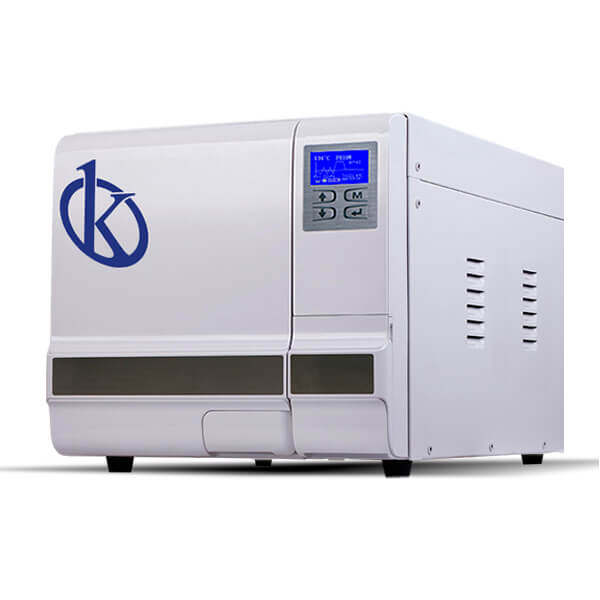
How to Ensure Predictive Maintenance and Recommended Calibration for Horizontal Autoclaves
Ensuring optimal performance in laboratory environments requires a focus on predictive maintenance and regular calibration, especially for horizontal autoclaves. These essential devices are widely used in various settings, including medical, veterinary, and beauty industries. This article will delve into the importance of predictive maintenance and calibration while discussing multiple models, including their best applications and how they comply with industry standards.
Understanding Predictive Maintenance and Calibration
Predictive maintenance involves the proactive approach of monitoring and analyzing equipment performance to predict failures before they occur. This is crucial for autoclaves, which must consistently maintain strict sterilization standards. Calibration, on the other hand, ensures that equipment operates within specified limits, thus safeguarding compliance with regulations such as ISO 13060.
Importance of Calibration for Horizontal Autoclaves
Calibration is vital for horizontal autoclaves to ensure accurate performance. Regular calibration can help detect any discrepancies in temperature and pressure readings that could compromise sterilization. Autoclaves like the Class B Table Autoclave YR03387 and YR03389 should be calibrated according to manufacturer specifications, with a recommended interval depending on the usage frequency and the type of materials being sterilized.
Key Specifications of Horizontal Autoclaves
Knowledge of each model's specifications aids in determining the most suitable choice for your laboratory. Below are key features of various horizontal autoclave models:
| Model | Volume (Liters) | Dimensions (mm) | Power (W) | Price (USD) |
|---|---|---|---|---|
| YR03387 | 8 | Φ170 x 320 | 1750 | 750.00 |
| YR03388 | 12 | Φ247 x 350 | 1750 | 835.00 |
| YR03389 | 18 | Φ247 x 450 | 1750 | 900.00 |
| YR03390 | 23 | Φ247 x 450 | 1750 | 1000.00 |
Comparison of Available Models
| Model | Best for | Calibration Frequency | Traceability Features | Compliance Standards |
|---|---|---|---|---|
| YR03387 | Small Clinics | Every 6 months | Integrated Data Logging | EN 13060 |
| YR03388 | Beauty Salons | Every 6 months | Integrated Data Logging | EN 13060 |
| YR03389 | Veterinary Clinics | Every 6 months | Integrated Data Logging | EN 13060 |
| YR03390 | Laboratories | Every 6 months | Integrated Data Logging | EN 13060 |
Common Mistakes and How to Avoid Them
One of the most common mistakes in using horizontal autoclaves is neglecting maintenance schedules. Laboratories often overlook the importance of routine checks and calibration, leading to equipment failure. Operators should implement a strict maintenance calendar to ensure that autoclaves like the YR03389 and YR03390 are serviced regularly.
Predictive Maintenance Techniques
Implementing predictive maintenance techniques, such as monitoring temperature and pressure trends, can significantly reduce downtime. By utilizing data logging features available in models like the YR03385C, laboratories can proactively address potential issues. This approach not only enhances equipment lifespan but also optimizes performance and compliance with sterilization regulations.
Recommended Calibration Practices
Calibration should be performed using certified standards traceable to national or international standards. For horizontal autoclaves, it is recommended to use precision calibration devices that can measure temperature and pressure accurately. Regular documentation of calibration results is crucial for maintaining compliance with industry standards such as EN 13060.
Integrating Predictive Maintenance into Laboratory Operations
Integrating predictive maintenance into laboratory practices can lead to increased efficiency and reduced operational costs. Conducting regular training sessions for laboratory personnel on the importance of maintenance and calibration for models such as YR03385B ensures optimal operations. Furthermore, implementing software solutions to track maintenance schedules can streamline the process.
Frequently Asked Questions
How often should calibration be done for horizontal autoclaves used in veterinary clinics?
Calibration for horizontal autoclaves like the Class B Table Autoclave YR03389 should be performed every 6 months to ensure compliance with EN 13060 and optimal sterilization results. Regular checks prevent potential failures and maintain accuracy in temperature and pressure readings.
What are the key maintenance practices for Class B autoclaves in beauty salons?
Key maintenance practices for Class B autoclaves, such as the YR03388, include regular calibration, cleaning of chamber interiors, and checking door seals for integrity. These steps ensure reliable sterilization and compliance with safety standards.
Which horizontal autoclave model is best for small laboratories focusing on dental equipment?
The Class B Table Autoclave YR03389 is ideal for small laboratories focusing on dental equipment as it combines an 18-liter capacity with efficient maintenance requirements, ensuring reliable sterilization within a compact design.
What are the consequences of not regularly calibrating horizontal autoclaves?
Failing to regularly calibrate horizontal autoclaves can lead to inconsistent sterilization results, risking patient safety and legal implications for laboratories. Using models like YR03390, regular calibration ensures compliance with EN 13060 standards.
How does predictive maintenance reduce costs in laboratory settings?
Predictive maintenance helps reduce costs by minimizing unexpected equipment failures, which can lead to costly downtime and repairs. Implementing this strategy with models like the YR03385C enhances equipment performance and extends lifespan.
What features should I look for in a horizontal autoclave for a veterinary clinic?
Key features to look for in a horizontal autoclave for a veterinary clinic include a compact design, reliability in sterilization, and traceability integration. Models like YR03389 meet these requirements, providing excellent performance for veterinary applications.
How can I ensure my autoclave meets EN 13060 standards?
To ensure compliance with EN 13060 standards, regularly calibrate your autoclave, maintain detailed logs of sterilization cycles, and utilize certified calibration devices. Models like YR03387 are designed to meet these standards when properly maintained.
Where can I request a quote for a Class B Table Autoclave?
You can request a quote for a Class B Table Autoclave by visiting the appropriate dealer or online platform that specializes in laboratory equipment. Ensure you provide details regarding your specific requirements for accurate pricing.
If you are looking for a fusion of innovation and quality, you have come to the right place. At Kalstein, we offer you the luxury of exploring our exclusive catalog of laboratory equipment. We manufacture every device to the highest standards of excellence. Our intuitive and seamless online purchasing channels are designed for your convenience, securing the most competitive prices. Hesitate no longer — we bring science to life, it is time to become part of our community.