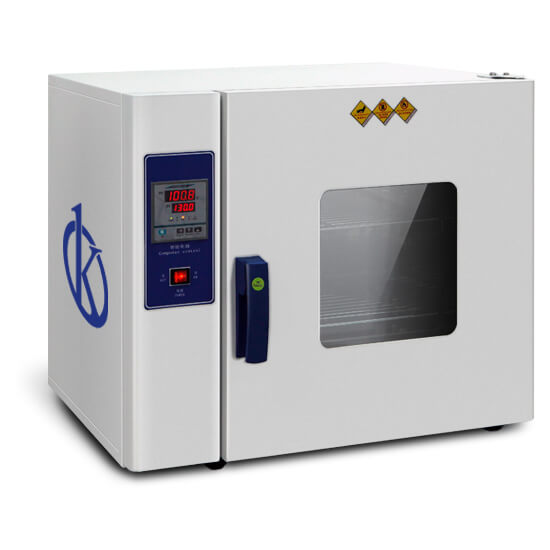
How to Optimize Energy Sustainability with Drying Ovens in Laboratories
In the quest for energy sustainability and a reduced environmental footprint, laboratory equipment plays a crucial role. Drying ovens, widely used in laboratories for various applications including drying, sterilization, and storage, can significantly impact energy consumption. In this article, we will explore various models of drying ovens, their specifications, and how they contribute to energy efficiency and sustainability in laboratory settings.
Understanding Energy Sustainability in Laboratory Settings
Energy sustainability refers to the ability to meet the energy needs of the present without compromising the ability of future generations to meet their own needs. In laboratory environments, energy-intensive equipment such as drying ovens can be optimized to minimize energy consumption and reduce greenhouse gas emissions. Implementing energy-efficient practices not only aligns with global sustainability goals but also can lead to cost savings for laboratories.
Key Features of Energy-Efficient Drying Ovens
Modern drying ovens incorporate various features aimed at enhancing energy efficiency. These include:
- Intelligent PID Control: Advanced temperature control systems can maintain consistent temperatures, reducing energy waste.
- Insulation: High-quality insulation materials minimize heat loss, ensuring that less energy is needed to maintain desired temperatures.
- Variable Speed Fans: Adjustable airflow systems can optimize drying processes while using minimal energy.
Comparison of Available Models
| Model | Temperature Range (℃) | Accuracy (℃) | Power (kW) | Price (USD) | Best Application |
|---|---|---|---|---|---|
| YR05244 | RT+5~250 | ±0.1 | 1 | 295.00 | General laboratory drying |
| YR05245 | RT+5~250 | ±0.1 | 1 | 364.00 | High uniformity drying applications |
| YR05246 | RT+5~250 | ±0.1 | 1 | 486.00 | Research laboratories |
| YR05247 | RT+5~250 | ±0.1 | 1 | 598.00 | Industrial applications |
| YR05248-A | RT+5~250 | ±1 | 1 | 162.00 | Routine laboratory use |
| YR05249-A | RT+5~250 | ±1 | 1 | 180.00 | Biology and agriculture drying |
Common Mistakes and How to Avoid Them
When optimizing energy sustainability in laboratories with drying ovens, it is essential to consider common mistakes that can hinder efficiency:
- Inadequate Maintenance: Regular maintenance and calibration are crucial for ensuring optimal performance. Ensure that the drying ovens are regularly serviced to prevent energy wastage.
- Overloading the Oven: Overloading can lead to uneven drying and increased energy consumption. Always adhere to the manufacturer's guidelines for load capacities.
- Ignoring Insulation Quality: Poor insulation leads to heat loss. Investing in ovens with high-quality insulation materials can significantly improve energy efficiency.
Strategies for Reducing Environmental Footprint with Drying Ovens
Reducing the environmental footprint of drying ovens involves implementing various strategies:
- Switch to Energy-Efficient Models: Consider models like YR05248-A that are designed for energy efficiency, leading to lower operational costs and environmental impact.
- Implement Smart Controls: Use advanced PID controls available in models like YR05246 to achieve precise temperature settings and minimize energy usage.
- Optimize Load Management: Schedule drying runs efficiently to reduce idle time and maximize throughput.
Life Cycle Assessment of Drying Ovens
Conducting a life cycle assessment (LCA) of drying ovens provides insights into their environmental impact from production to disposal. Key factors to consider:
- Material sourcing and manufacturing processes contribute significantly to energy consumption.
- Operational energy use during lifecycle, particularly in high-usage labs.
- End-of-life disposal methods and their environmental implications.
Energy Consumption Metrics for Drying Ovens
Understanding the energy consumption metrics of different models is vital for making informed purchasing decisions. Below is a comparison based on kWh per run:
| Model | Energy Consumption per Run (kWh) | Cost per Run (USD) |
|---|---|---|
| YR05244 | 0.5 | 0.07 |
| YR05245 | 0.55 | 0.08 |
| YR05246 | 0.6 | 0.09 |
| YR05247 | 0.65 | 0.10 |
| YR05248-A | 0.45 | 0.06 |
| YR05249-A | 0.5 | 0.07 |
Frequently Asked Questions
How can I reduce energy consumption with drying ovens in my lab?
Reducing energy consumption can be achieved by using models like YR05248-A, which are designed for energy efficiency. Implementing smart temperature controls and optimizing load management can also contribute to significant reductions in energy usage.
What is the impact of equipment maintenance on energy efficiency in drying ovens?
Regular maintenance is essential for ensuring that drying ovens maintain optimal performance. Models like YR05246 benefit from accurate calibration, which prevents energy loss due to malfunctioning components, thereby enhancing efficiency.
Which drying oven model is best for high uniformity drying applications?
The YR05245 model is specifically designed for high uniformity drying applications, making it ideal for laboratories requiring precise temperature control to minimize energy wastage.
What are the benefits of using PID control in drying ovens?
PID control offers precise temperature management, which minimizes fluctuations and energy use. Models such as YR05244 utilize this technology to maintain stable conditions while optimizing energy efficiency.
How do I choose the right drying oven based on energy sustainability?
Consider models with advanced features like intelligent controls and high-quality insulation. The YR05249-A is a cost-effective option that still offers energy-efficient performance for routine lab use.
What metrics should I use to evaluate the energy efficiency of drying ovens?
Key metrics include kWh per run and cost per run. For example, the YR05248-A consumes only 0.45 kWh per run, making it a highly efficient choice for laboratories focused on sustainability.
How can I integrate drying ovens into a sustainable lab management strategy?
Integrating energy-efficient models like YR05246 into your lab management strategy can help achieve sustainability goals. Additionally, regular audits and optimizing usage schedules can further enhance energy efficiency.
If you are looking for a fusion of innovation and quality, you have come to the right place. At Kalstein, we offer you the luxury of exploring our exclusive catalog of laboratory equipment. We manufacture every device to the highest standards of excellence. Our intuitive and seamless online purchasing channels are designed for your convenience, securing the most competitive prices. Hesitate no longer — we bring science to life, it is time to become part of our community.