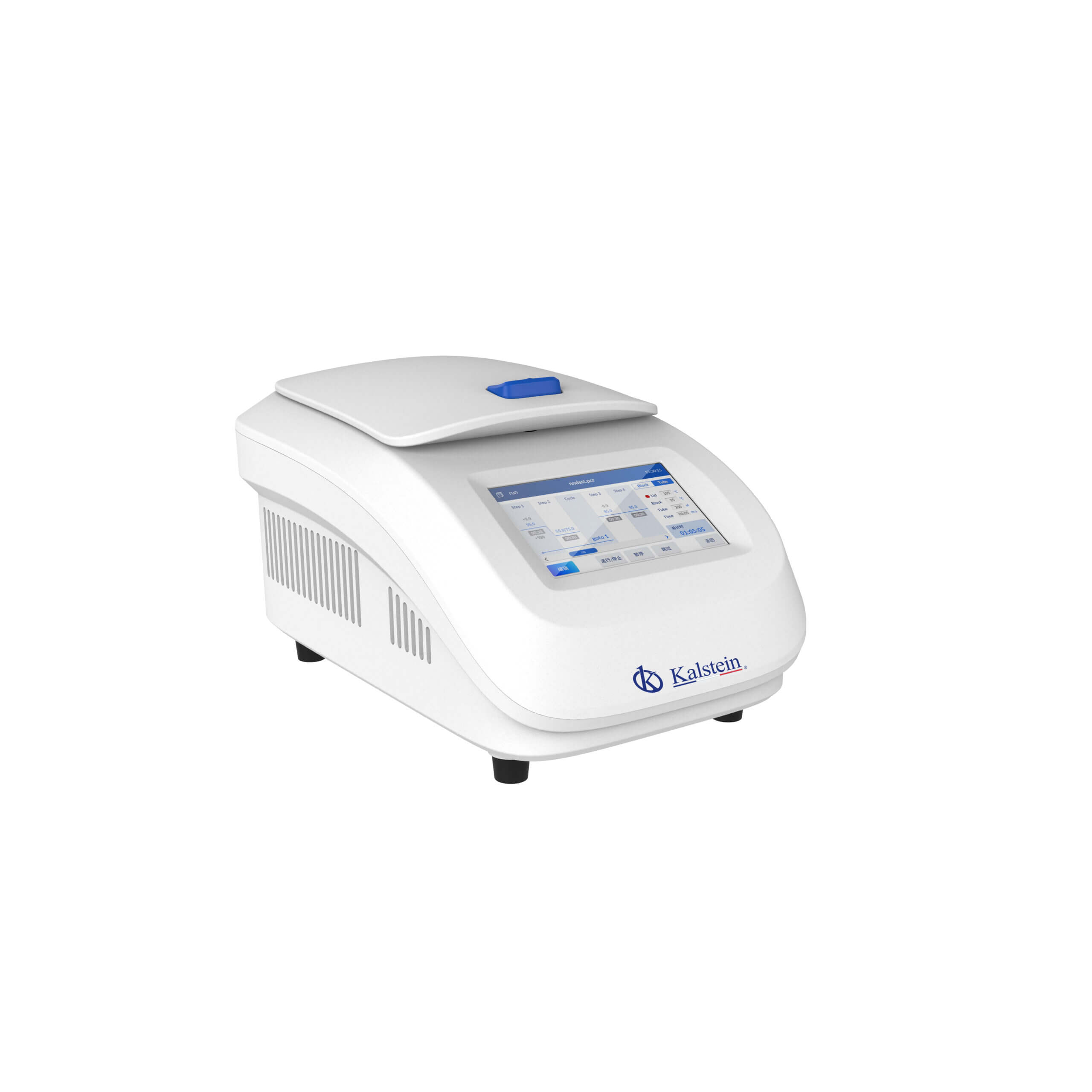
Biochemical BOD Incubators: Energy Sustainability and Environmental Footprint Reduction 2026
As the world progresses towards higher environmental consciousness, the focus on sustainability has permeated various industries, including laboratory settings. Biochemical BOD incubators play a crucial role in this paradigm shift, becoming essential tools for laboratories aiming to reduce energy consumption and minimize their environmental footprint. In this article, we will dive deep into the various models of Biochemical BOD incubators available in 2026, their unique features, and how they contribute to energy efficiency and reduced ecological impact.
Understanding Energy Sustainability in Laboratory Incubators
Energy sustainability refers to the ability to meet current energy needs without compromising the ability of future generations to meet their own needs. In laboratory settings, this translates to adopting equipment that uses energy efficiently while maintaining optimal performance. Biochemical BOD incubators, especially with advanced technologies, showcase how energy efficiency can be integrated into laboratory practices.
The Role of Biochemical BOD Incubators in Reducing Environmental Footprint
Biochemical BOD incubators are designed to manage the temperature of samples, which is critical for biochemical experiments. By utilizing energy-efficient technologies, such as Peltier-based systems in models like the YR05889 and YR05890, these incubators reduce not only energy consumption but also the overall carbon footprint of laboratory operations. This reduction is essential in aligning laboratory practices with global sustainability goals.
Comparison of Available Models
| Model | Energy Efficiency Features | Temperature Range | Best Use Cases | Price (USD) |
|---|---|---|---|---|
| YR05889 | Peltier-controlled, excellent temperature stability | R.T. -25℃ to 100℃ | Sample preservation, DNA amplification | $590.00 |
| YR05890 | Heating and cooling functionality, compact design | R.T. +5℃ to 100℃ | Biochemical reactions, protein denaturation | $390.00 |
| YR05891 | Lightweight, portable, energy-efficient | R.T. +5℃ to 100℃ | Rapid testing kits, small laboratories | $89.00 |
| YR05892 | PID-controlled, highly stable | R.T. +5℃ to 100℃ | Portable applications, field testing | $189.00 |
| YR05893 | Compact, suitable for vehicle power supply | R.T. +5℃ to 100℃ | Mobile labs, quick inspections | $149.00 |
| YR05894 | Built-in over-temperature protection | R.T. +5℃ to 105℃ | Medical, food safety, quality control | $119.00 |
Key Features of Leading Models
Each model of Biochemical BOD incubator offers distinct features that contribute to energy sustainability:
- YR05889: With Peltier technology, it ensures temperature control with minimal energy expenditure, ideal for long-term sample preservation.
- YR05890: Offers both heating and cooling, making it versatile for various biochemical applications.
- YR05891: Its PID control system allows for rapid temperature adjustments, significantly reducing energy usage during operations.
- YR05892: Designed for portability, it is perfect for fieldwork and reduces the need for multiple devices.
- YR05893: Lightweight and compact, it offers energy efficiency while being easily transportable.
- YR05894: Equipped with over-temperature protection, it enhances safety and energy management in laboratory settings.
Common Mistakes and How to Avoid Them
When selecting a Biochemical BOD incubator, laboratories often make several common mistakes that can undermine sustainability efforts:
- Ignoring Energy Ratings: Always check the energy efficiency ratings of incubators before purchase. Models like YR05889 and YR05890 are designed with energy savings in mind.
- Underestimating Usage Needs: Assess your laboratory's specific needs to choose the right model. Smaller models may not suffice for larger sample sizes.
- Failing to Maintain Equipment: Regular maintenance is crucial for efficiency. Schedule routine checks to ensure your incubator operates at optimal performance.
Frequently Asked Questions
What are the energy consumption benefits of Biochemical BOD incubators in 2026?
In 2026, Biochemical BOD incubators like the YR05889 utilize Peltier technology, significantly reducing energy consumption by maintaining a consistent temperature with minimal power usage. This model shows efficiency gains that can lower operating costs while supporting environmental sustainability.
How can I maximize the environmental footprint reduction with incubators?
To maximize footprint reduction, choose models like the YR05890, which offer dual heating and cooling functionalities, ensuring that energy is used efficiently across various experiments while minimizing waste.
Which Biochemical BOD incubator model is best for mobile laboratories?
The YR05891 is ideal for mobile laboratories due to its lightweight and compact design, making it easy to transport while ensuring efficient temperature control, crucial for field applications.
What are the key specifications to look for in a Biochemical BOD incubator for energy sustainability?
Essential specifications include temperature range, energy consumption ratings, and advanced temperature control technology. Models like YR05894 provide accurate temperature stability and built-in over-temperature protection, enhancing sustainability.
How much power does the YR05890 consume during operation?
The YR05890 operates with a maximum power of 200W, featuring advanced cooling and heating capabilities that contribute to energy-efficient operations, making it suitable for various laboratory environments.
What are the advantages of using PID-controlled incubators?
PID-controlled incubators, such as the YR05891, dynamically adjust to temperature changes, ensuring precise temperature management and reducing energy usage by avoiding unnecessary heating cycles during experiments.
How frequently should Biochemical BOD incubators be calibrated?
It is recommended to calibrate Biochemical BOD incubators every 6-12 months to ensure consistent performance and energy efficiency, especially for high-accuracy models like the YR05894.
What is the average lifespan of a Biochemical BOD incubator?
The average lifespan of a Biochemical BOD incubator ranges from 5 to 10 years, depending on the model and maintenance practices. Regular checks can extend the operational life of models like the YR05890.
If you are looking for a fusion of innovation and quality, you have come to the right place. At Kalstein, we offer you the luxury of exploring our exclusive catalog of laboratory equipment. We manufacture every device to the highest standards of excellence. Our intuitive and seamless online purchasing channels are designed for your convenience, securing the most competitive prices. Hesitate no longer — we bring science to life, it is time to become part of our community.